How Long Does Lock OEM Take from Design to Mass Production?
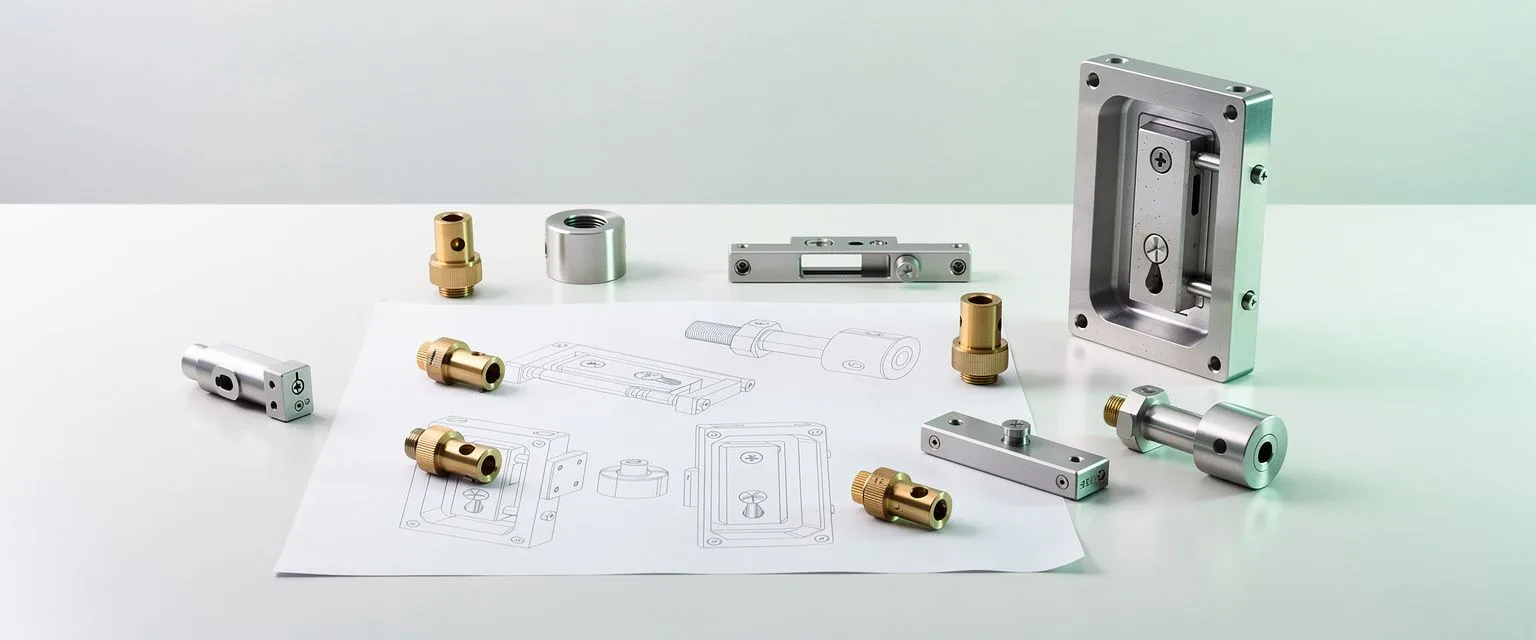
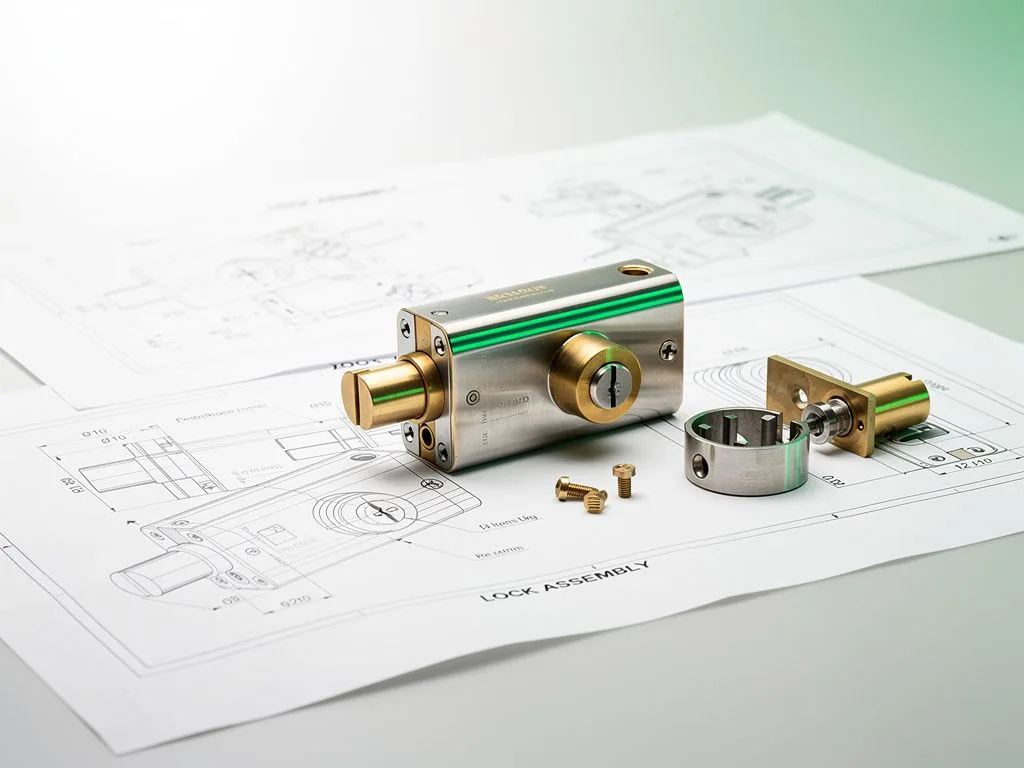
The complete cycle for lock OEM from design to mass production typically spans several months, depending on product complexity and the depth of customization. Simple TSA padlocks or combination locks customized with branding on existing molds can enter mass production within weeks; however, entirely new structures, IoT module integration, or special certification requirements can extend the timeline to over six months. The key factor affecting the schedule is not any single stage, but the efficiency of handoffs between DFM evaluation, mold development, prototyping validation, certification testing, and production ramp-up. If buyers clarify the division of responsibilities across these five stages when requesting a quote, subsequent schedule communication will be much smoother.
Key Takeaways
Lock OEM timelines vary by complexity
Simple TSA padlocks or combination locks customized on existing molds can reach mass production within weeks; entirely new structures or IoT integration may take over six months.
Standard process has five fixed sequential stages
The sequence is DFM design review, mold development, prototyping verification, testing and certification, and mass production. Each stage has different compression potential, and incomplete information can lead to rework.
DFM review determines whether a second mold is needed
DFM checks draft angles, wall thickness, snap-fit formability, and tolerances. For locks, special attention is paid to anti-pry strength and antenna layout; thoroughness affects subsequent timelines.
Timelines are affected by six major variables
Structural novelty, IoT integration, certification scheduling, surface finishing, packaging accessories, and initial order quantity can all extend or shorten overall timelines.
What Are the Standard Stages in the Lock OEM Process?
The standard lock OEM process typically consists of five stages, in order: DFM design evaluation, mold development, prototyping validation, testing and certification, and mass production. In the DFM stage, the manufacturer reviews the buyer's 3D drawings or concepts to confirm manufacturability, material feasibility, and cost range. Mold development ranges from weeks to months depending on part complexity. The prototyping stage produces first articles or small-batch samples for buyer testing. Testing and certification covers salt spray, torque, cycle life, and various national safety regulations. Mass production then proceeds with stable lead times. The order of these five stages is fixed, but the room for compression within each stage varies. Buyers should focus most on which stage is most likely to be redone due to incomplete information. Looking at Jintai Industrial's two product lines—travel security hardware and IoT smart locks—the bottleneck for purely mechanical locks is usually the mold, while for IoT locks it often lies in wireless certification and cloud integration testing.
What Does the DFM Design Evaluation Actually Check?
The DFM design evaluation actually checks whether the drawing can be produced at a reasonable cost. The manufacturer reviews each part's draft angle, wall thickness uniformity, formability of snaps and locking features, whether assembly tolerances accumulate excessively, and whether the material choice suits the usage environment. For locks specifically, attention is paid to the anti-pry strength of the cylinder structure, the detent feel of the combination dials, TSA keyway compatibility, and whether the IoT module's antenna layout is shielded by the metal housing. If buyers provide usage context (part type, expected force, environmental temperature and humidity) with their drawings, the DFM feedback will be more specific. The output of this stage is typically a manufacturability report with modification suggestions. Only after buyer confirmation does mold development begin, so the thoroughness of the DFM directly determines whether a second mold is needed later.
Six Key Variables Affecting Lock OEM Lead Time
Structure Newness
Entirely new structures require molds from scratch, taking the longest; leveraging an existing platform with only cosmetic or branding changes can compress the timeline to a few weeks.
IoT Module Integration
Bluetooth, NFC, RFID, and cloud connectivity require additional electrical validation and wireless certification, extending the overall timeline.
Certification Requirements
Scheduling for national safety and wireless certifications is determined by the issuing bodies; the earlier buyers confirm target markets, the earlier scheduling can be arranged.
Surface Finishing and Materials
Supply chain and testing cycles for surface treatments such as plating, painting, and rubber overmolding affect the transition from prototyping to mass production.
Packaging and Accessories
Custom packaging, manuals, and multilingual labeling are often underestimated; last-minute changes before mass production directly impact shipping.
Initial Order Quantity and MOQ
Small initial orders have the highest mold amortization and changeover costs; quantity decisions should be discussed clearly during the DFM stage.

Mold amortization is a cost that directly affects unit pricing. In practice, the mold cost is either charged as a one-time fee or amortized into the unit price. The larger the order quantity, the lower the unit price. When requesting a quote, buyers should clarify three things: whether the mold fee is charged once or amortized into the unit price, who owns the mold, and whether subsequent reorders still require amortization. Taking King-Tech Industries' travel security hardware as an example, TSA padlocks and combination locks mostly use existing mold specifications, so customization costs are relatively low. For a brand-new IoT smart lock design, the mold investment and amortization need to be clearly defined in the contract.
What are the verification stages between sampling and mass production?
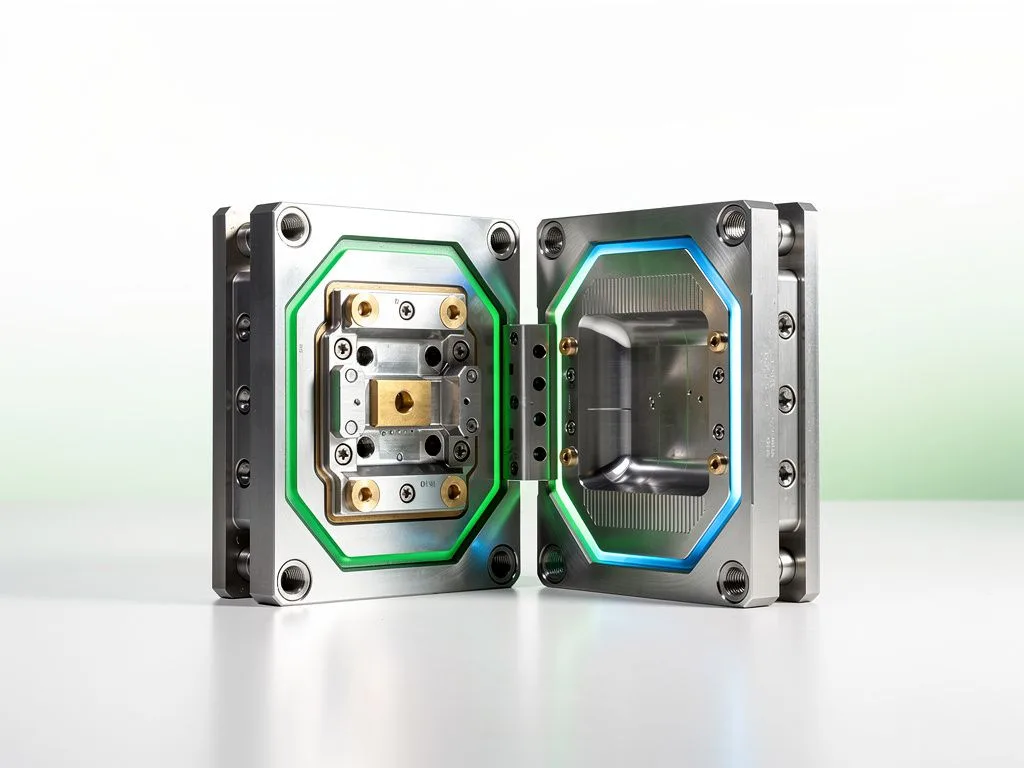
The verification stages between sampling and mass production determine whether the first article can proceed to mass production. The sampling stage typically produces 5 to 50 engineering samples for buyers to conduct functional testing, tactile evaluation, and appearance confirmation. After buyer confirmation, before mass production, the product must pass production validation (PV) to confirm that mold life, production yield, and lead time can meet order requirements. For locks, the PV stage includes cylinder cycle life testing, combination dial detent force testing, surface treatment salt spray testing, and wireless connection stability testing for IoT locks. Each test has corresponding pass criteria. If a test is not passed, the process returns to mold modification or process adjustment. This is also why the schedule often extends unexpectedly at the stage when you think it is almost done. Buyers should clearly communicate acceptance criteria during the sampling stage to avoid introducing new requirements right before mass production.
Standard Lock OEM Process
- 1
DFM Design Review
The manufacturing side reviews the buyer's 3D drawings or concepts to confirm structural manufacturability, material feasibility, and cost range, producing a manufacturability report and modification suggestions.
- 2
Mold Development
Depending on part complexity, this ranges from weeks to months. Entirely new structures require mold creation from scratch, while leveraging existing platforms can shorten timelines.
- 3
Prototyping Verification
Produces first articles or small-batch samples for buyer testing, typically 5 to 50 engineering samples, for functional testing, feel evaluation, and appearance confirmation.
- 4
Testing and Certification
Covers salt spray, torque, cycle life, and various national safety regulations. IoT locks additionally require wireless certification and cloud integration testing.
- 5
Mass Production
After passing production viability verification, stable delivery schedules are established, confirming mold life, mass production yield, and delivery times meet order requirements.

Where is the boundary of responsibility between OEM and ODM?
The boundary of responsibility between OEM and ODM directly affects the schedule and communication costs. In OEM mode, the buyer provides the design or specifications, the manufacturer handles production, and the buyer holds the decision-making authority for design changes. In ODM mode, the manufacturer provides a complete solution from design to mass production, and the buyer mainly handles branding and market-side work. Looking at King-Tech Industries' two pillars, travel security hardware is more commonly handled through OEM cooperation, with buyers bringing their own design or brand requirements. IoT smart locks are more commonly handled through ODM, with the manufacturer integrating Bluetooth, NFC, RFID, and cloud connectivity technology solutions. If buyers can clarify whether their need is OEM or ODM when requesting a quote, the manufacturer can provide a corresponding schedule and pricing structure. If the boundary of responsibility is not clearly defined early on, disputes are most likely to arise later over who should modify the design and who should pay for testing costs.
What is the minimum viable quantity for a small-batch first order?
The minimum order quantity (MOQ) for a small-batch first order varies by product line and degree of customization. For purely mechanical locks with brand customization on existing molds, the MOQ can be as low as a few hundred units. For products with entirely new structures or IoT module integration, the MOQ is typically constrained by both mold amortization and the minimum order quantity for electronic components, and may fall in the range of several thousand units or more. The question buyers should ask is not "what is the lowest quantity you can take," but rather "whether the unit price and mold fee structure is reasonable at this quantity." Looking at King-Tech Industries' application scenarios, travel and luggage protection products offer greater flexibility for first orders, while customized first orders for industrial enclosures and distribution boxes typically have higher MOQs due to stricter certification requirements. If buyers can provide estimated annual order volumes and market rollout plans, the manufacturer can plan capacity and amortization models more accurately.
How should buyers prepare RFQ information to shorten lead times?
The key to shortening lead times when preparing RFQ information is to enable the manufacturer to ask the right questions in one go. A complete RFQ package should include: product application and usage scenarios (travel, gym, industrial enclosures, etc.), target market and certification requirements, estimated annual order volume and initial order quantity, design drawings or reference samples, surface finish and material preferences, packaging and accessory requirements, and the desired delivery schedule. Taking Jintai Industrial's two pillars as an example, RFQs for travel security hardware should focus on TSA specifications, brand identity, and packaging; RFQs for IoT smart locks should focus on wireless technology selection, cloud platform integration, and identity verification logic. The more complete the information, the more accurate the feedback during the DFM stage, and the more controllable the subsequent timeline. If buyers only have a concept without drawings, they can also start with an ODM approach, allowing the manufacturer to propose an initial solution and iterate from there.
FAQ
How long does lock OEM take from design to mass production?
Depending on product complexity and customization depth, it typically ranges from a few months. Simple TSA padlocks or combination locks with brand customization on existing molds can reach mass production within weeks; entirely new structures, IoT module integration, or special certification requirements can extend timelines to over six months.
What stages are included in the standard lock OEM process?
The standard process has five stages: DFM design review, mold development, prototyping verification, testing and certification, and mass production. DFM involves the manufacturing side reviewing drawings to confirm manufacturability; mold development takes weeks to months; prototyping produces samples; testing covers salt spray and safety regulations; and finally mass production begins.
What does the DFM design review actually check?
DFM checks whether the drawings can be produced at a reasonable cost, reviewing draft angles, wall thickness uniformity, snap-fit formability, assembly tolerances, and material selection. For locks, special attention is paid to cylinder anti-pry strength, combination dial detent feel, TSA keyhole compatibility, and IoT antenna layout.
How are mold costs amortized?
The amortization logic spreads mold costs across the estimated total order quantity, with a mold amortization fee included in the unit price; larger order quantities result in lower unit prices. When requesting quotes, ask whether the mold fee is charged once or amortized, who owns the mold, and whether additional orders still require amortization payments.
What verification gates exist between prototyping and mass production?
The prototyping stage produces 5 to 50 engineering samples for functional testing and feel evaluation. After confirmation, production viability verification (PV) is required, including cylinder cycle life, combination dial detent force, salt spray testing, and IoT wireless connection stability. Failure requires returning to mold modification or process adjustment.
Ready to start your RFQ?
Bring your product application, target market, and estimated volumes to discuss OEM lock and IoT smart lock collaboration with Jintai Industrial.
延伸主題
- What DFM Design Review Actually Checks
- How Is OEM Lock Tooling Cost Calculated?
- Verification Gates Between Lock Sampling and Mass Production
- Common Design Changes in Lock OEM Projects and Their Impact on Lead Time
- Defining the Boundaries of OEM and ODM Responsibilities in Lock Manufacturing
- Minimum Viable Quantity for Small-Batch First Orders in Lock OEM