jintay-locks oem-flow-3

What are the verification stages between lock prototyping and mass production?

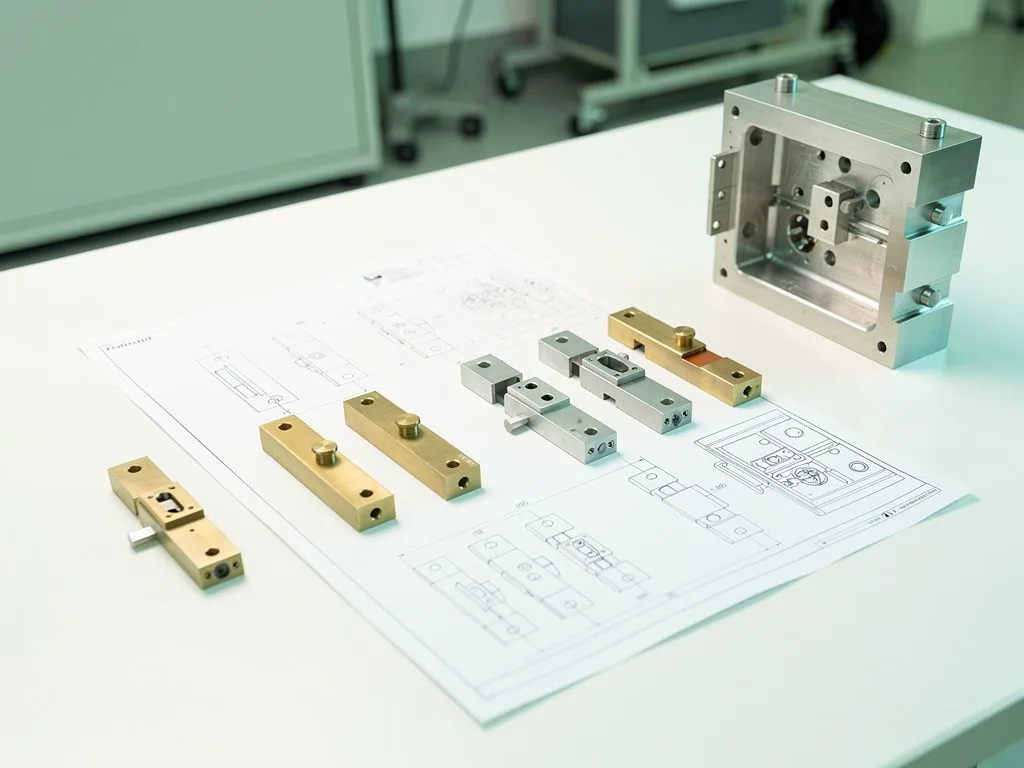
The verification stages between lock prototyping and mass production are, in order: DFM design review, mold trial, first article inspection, functional and durability testing, compliance sampling, and pre-production (PP) before mass production. Each stage has clear deliverables and assigned responsibilities; missing any one stage may result in problems only being discovered after mass production. At Jintai Industrial, these stages are institutionalized in the OEM/ODM process. Buyers should require suppliers to list the deliverables and timelines for each stage at the RFQ stage, serving as the basis for subsequent acceptance.
Key Takeaways

  • Sequential and Institutionalized Verification Gates

    From prototyping to mass production, lock development follows a sequence of DFM design review, mold trial, first article inspection, functional and durability testing, compliance sampling, and pre-production (PP). Each gate has clear deliverables and assigned responsibilities.

  • DFM Review Can Prevent 70% of Rework

    The DFM design review takes 10-20% of the development cycle but can prevent over 70% of subsequent rework. Buyers should only proceed to mold development after signing off on the review.

  • Skipping PP Costs Ten Times More

    Pre-production (PP) uses a small batch under actual production line conditions to verify yield, delivery, packaging, and shipping processes. If issues are discovered only during mass production after skipping PP, the cost is typically more than ten times that of fixing them during the PP stage.

  • Request a Verification Milestone Schedule at RFQ Stage

    Buyers should require suppliers to submit a verification milestone schedule at the RFQ stage, listing the expected dates, deliverables, responsible parties, and pass criteria for each gate, serving as a common language for project management.

What questions should the DFM design review answer?

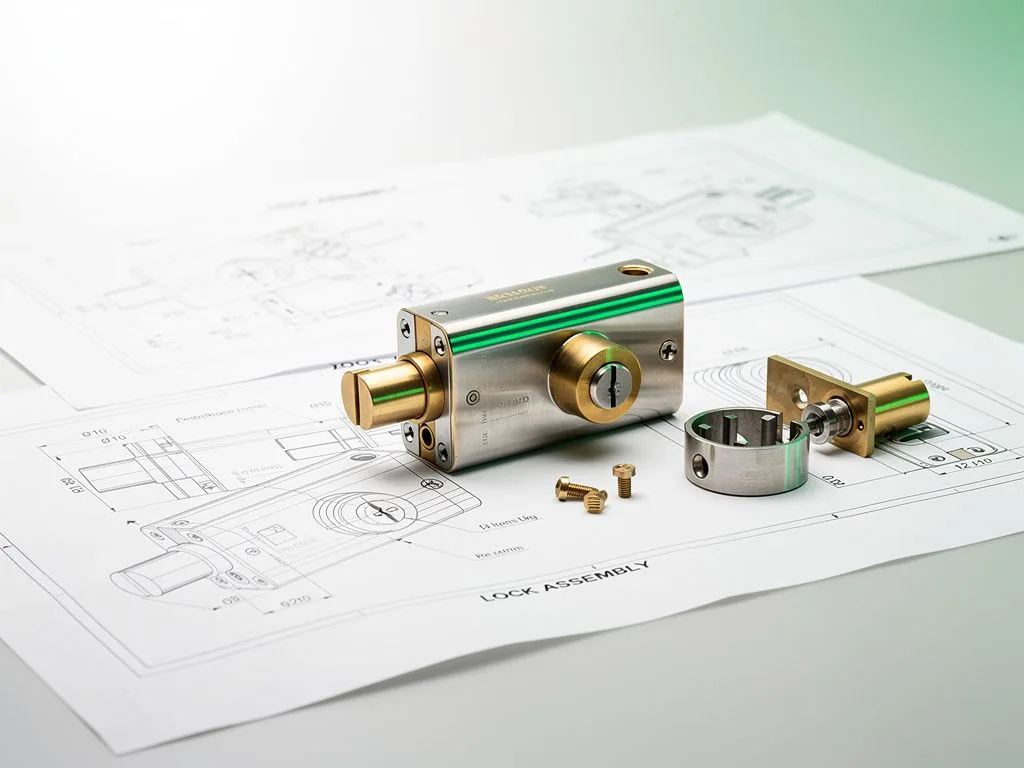
The DFM design review should answer whether the lock's structure can be reliably produced with existing processes. After the buyer submits 3D drawings or samples, the manufacturing side compares wall thickness, parting lines, chamfers, snap fits, and spring space, marking areas that may cause sink marks, warping, or assembly interference. Common details requiring adjustment include the shackle travel of TSA padlocks, the number of dial teeth on combination locks, and the clearance between the circuit board and housing of IoT locks. The output of the DFM review is an annotated drawing and change recommendations. Buyers should sign off before proceeding to mold development; otherwise, subsequent change costs will multiply. This stage typically accounts for 10-20% of the total development cycle but can prevent over 70% of later rework.

What should be checked during mold trial and first article inspection?

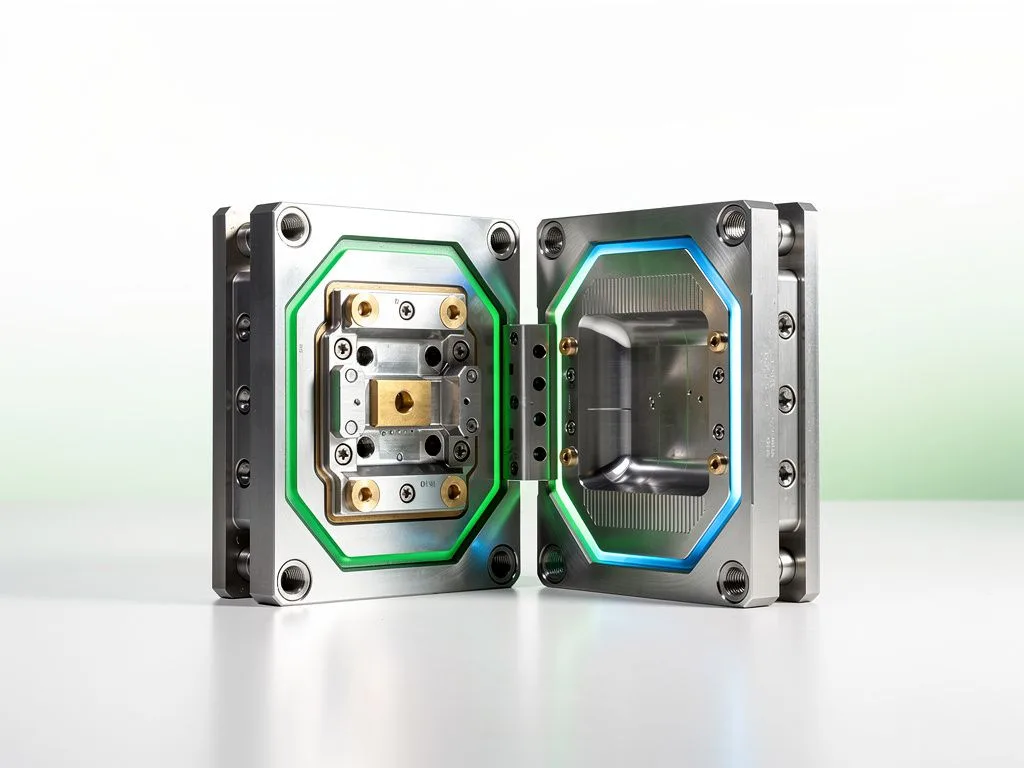
The mold trial and first article inspection should check whether injection-molded parts meet drawing dimensions, whether surfaces show sink marks, weld lines, or flash, and the assembly clearance between the lock cylinder and housing. Buyers should require suppliers to provide a First Article Inspection (FAI) report, including measured values of critical dimensions with tolerance comparisons, appearance AQL sampling results, and initial functional test records. For combination locks, test the feel of dial rotation and zeroing accuracy; for TSA locks, test key insertion and extraction force, as well as compatibility with the customs master key. For IoT locks, additionally confirm the positioning accuracy of the circuit board within the housing to avoid subsequent button or sensor area failures. If this stage is not passed, the process should return to mold modification rather than proceeding to the next stage.

oem flow scene 1

What scenarios do functional and durability tests cover?

Functional and durability tests cover the lifespan and failure modes of locks under real-world use. Travel locks need testing for repeated open/close cycles, combination dial cycles, key insertion/removal cycles, and functionality after drop and vibration tests; locks for lockers and public spaces need testing for break-in resistance, prying resistance, shear resistance, and salt spray testing in humid environments; IoT locks need testing for Bluetooth pairing success rate, NFC sensing distance, RFID reading stability, and disconnection recovery capability with the cloud platform. Buyers should require corresponding test items and cycle counts based on their application scenarios, and require suppliers to provide written records of test methods and pass criteria. Parts that fail testing cannot enter mass production; this is the most important firewall against subsequent customer complaints and returns.
Why Should Compliance Sampling Be Completed Before Mass Production?

Why should compliance sampling be completed before mass production? Because if you only discover that a certificate has not been approved after mass production has begun, the entire batch of inventory will become dead stock. The compliance requirements for locks vary by sales region and distribution channel: TSA locks for the U.S. market must meet the opening structure required by customs; the EU market requires compliance with REACH and RoHS material restrictions; public spaces and school lockers may need to meet local fire safety or accessibility regulations; IoT locks involve radio frequency certification and cybersecurity requirements. Buyers should specify the target market and distribution channel at the RFQ stage, and the supplier should list the applicable compliance items and the sampling timeline. The certificate numbers and test data for compliance testing must be based on actual test results, and buyers should obtain the original or verifiable copies for their records.

Verification Process from Lock Prototyping to Mass Production

  1. 1

    DFM Design Review

    Compare wall thickness, parting lines, chamfers, snap fits, and spring space, produce annotated drawings and change recommendations. Mold development begins only after buyer sign-off.

  2. 2

    Mold Trial and First Article Inspection

    Confirm injection-molded part dimensions, appearance, and assembly clearance. Provide FAI report with key dimension measurements, AQL sampling, and initial functional test records.

  3. 3

    Functional and Durability Testing

    Execute open/close cycles, salt spray, anti-break, wireless connection stability, and other tests based on application scenarios. Cannot proceed to mass production without passing.

  4. 4

    Compliance Sampling

    List applicable certification items based on target market and channel, submit samples for testing, and obtain certificate numbers and test data. Must be completed before mass production.

  5. 5

    Pre-Production (PP)

    Run the full process with a small batch under actual production line conditions to verify yield, delivery, packaging, and shipping processes. Formal mass production can only begin after passing.

oem flow scene 2

Why Is a Pilot Production (PP) Run Before Mass Production Indispensable?

Why is a pilot production (PP) run before mass production indispensable? Because the mold condition, machine parameters, and operator handling during full-scale production differ from the trial run stage. PP uses a small quantity to run the complete process under actual production line conditions, verifying yield, lead time, packaging, and shipping procedures. Buyers should require the supplier to provide a yield report, actual labor time measurements, and outgoing quality inspection (AQL) sampling results during the PP stage. For OEM custom projects, PP is also the last opportunity to confirm that the brand label, packaging printing, and serial number rules are correct. Only after PP is passed can formal mass production begin. If this step is skipped, the cost of problems discovered after mass production is typically more than ten times the cost of fixing them during the PP stage. Buyers should specify the PP acceptance criteria and responsibility allocation in the contract.

How Can Buyers Control the Verification Pace at the RFQ Stage?

How can buyers control the verification pace at the RFQ stage? The most effective way is to require the supplier to submit a "verification milestone schedule" when requesting a quote, listing the expected dates, deliverables, responsible parties, and acceptance criteria for each stage: DFM, mold trial, first article inspection, functional testing, compliance sampling, and PP. This schedule becomes the common language for subsequent project management and allows buyers to decide at each gate whether to proceed or reject. At Jin Tay Industries, these gates are institutionalized in the OEM/ODM process. Buyers can attach this schedule as an appendix to the RFQ and observe the level of detail in the supplier's response to get an initial read on their project management capability. The specific number of test cycles and certification numbers must be confirmed based on the actual product specifications and target market.

Six Core Deliverables at Verification Gates

  • DFM Annotated Drawings

    Drawings that mark the parting line, wall thickness, chamfers, and assembly interference locations, serving as the basis for mold development.

  • First Article Inspection Report (FAI)

    A written record of critical dimension measurements, appearance AQL sampling results, and initial functional inspection.

  • Functional and Durability Test Records

    Test results for open/close cycles, salt spray, tamper resistance, and wireless connection stability, executed according to the application scenario.

  • Compliance Sampling Schedule

    A list of applicable certification items, laboratories, expected completion dates, and certificate delivery methods based on the target market.

  • PP Yield and Labor Time Report

    Yield, actual labor time, AQL outgoing inspection results, and packaging confirmation records from the pilot production stage.

  • Verification Milestone Master Schedule

    A timeline integrating the above deliverables, marking the responsible party, acceptance criteria, and release decision point for each gate.

Each stage has clear pass/fail conditions and a return mechanism, avoiding the cumulative risk of "act first, talk later." For mature product lines such as travel security hardware, the verification pace is relatively fast; for products involving wireless modules and cloud integration, such as IoT smart locks, the verification pace needs to reserve longer compatibility testing time. Buyers should align the overall schedule with the supplier at project kickoff to avoid delays in one stage compressing the time for other stages. The specific number of test cycles and certification numbers must be confirmed based on the actual product specifications and target market.

FAQ

What verification gates are there between lock prototyping and mass production?

In order: DFM design review, mold trial, first article inspection, functional and durability testing, compliance sampling, and pre-production (PP). Each gate has clear deliverables and assigned responsibilities. Missing any gate may lead to problems only discovered after mass production.

What questions should the DFM design review answer?

The DFM design review should answer whether the lock's structure can be consistently produced with existing processes. The manufacturing side will compare wall thickness, parting lines, chamfers, snap fits, and spring space, flagging areas that may cause sink marks, warpage, or assembly interference, and produce annotated drawings and change recommendations.

What should be checked during mold trial and first article inspection?

Check whether injection-molded parts meet drawing dimensions, whether surfaces show sink marks, weld lines, or flash, and the assembly clearance between the cylinder and housing. Buyers should require suppliers to provide a First Article Inspection (FAI) report, including key dimension measurements with tolerance comparison, appearance AQL sampling results, and initial functional test records.

What scenarios do functional and durability tests cover?

Travel locks need testing for repeated open/close cycles, combination dial cycling, key insertion/removal cycles, and functionality after drop and vibration. Locker locks need anti-break, anti-pry, anti-shear, and salt spray tests. IoT locks need testing for Bluetooth pairing success rate, NFC sensing distance, RFID reading stability, and disconnection recovery capability.

Why must compliance sampling be completed before mass production?

Because if certificates are not obtained before mass production, the entire inventory becomes unsellable. For the US market, TSA locks must comply with customs opening structures; the EU requires REACH and RoHS compliance; public spaces require fire or accessibility standards; IoT locks involve radio frequency certification and cybersecurity requirements.

Send us your verification milestone schedule

Send your target market, application scenario, and verification requirements to Kingtech Industrial. We will include the corresponding verification milestone schedule and timeline estimate in our RFQ reply.