
jintay-locks lock-certification

What tests and certifications are required for exporting locks?

Tests and certifications for exporting locks fall into three main categories: mechanical and environmental reliability, radio frequency compliance, and transport and battery safety. Mechanical tests cover salt spray, cycle life, tensile and torque testing; wireless tests involve RF certification for Bluetooth, NFC, and RFID modules according to each country's regulations; transport and battery tests cover UN 38.3 for lithium batteries and air/sea shipping declarations. Buyers should first confirm the target market, product model, and usage scenario, then request the corresponding certificates and reports from the supplier, and verify that the model numbers on the certificates match the actual shipped models.
Key Takeaways

  • Lock export certifications fall into three main categories

    Testing and certification for lock exports are divided into three main categories: mechanical and environmental reliability, wireless radio frequency compliance, and transport and battery safety. Buyers should first confirm the target market, product model, and usage scenario.

  • Certificates must correspond to the model

    The first step in determining whether certifications are complete is to verify that the applicant, model, manufacturing address, and actual purchased model on the certificate match. If there are discrepancies, request written explanation or retesting.

  • Wireless certification systems vary by country

    Wireless radio frequency certification systems are independent across countries, including the US FCC, EU CE-RED, Japan MIC, South Korea KC, Canada ISED, and Australia RCM. The same Bluetooth module entering multiple markets requires separate testing for each.

  • Lithium batteries require UN 38.3 and transport declarations

    Locks containing lithium batteries must comply with UN 38.3 testing requirements and complete air or sea transport declarations depending on the shipping method. Air transport also requires compliance with IATA Dangerous Goods Regulations.

Why can't you just look at whether a certificate exists when exporting locks?

The most common mistake buyers make is only checking whether the supplier presents a certificate, while ignoring the correspondence between the certificate and the actual model. A certificate may only cover a specific model, material, or batch, and when it comes to export customs declaration and inspection, customs and regulatory authorities in the importing country look at whether the model of this shipment falls within the scope of the certificate. Therefore, the first step in determining whether lock certifications are complete is to ask the supplier for scanned copies of the certificates and verify that the applicant, model, manufacturing address, and the model you are actually purchasing are exactly the same; if there are any discrepancies, request written explanations or re-testing. At JTIC, during the OEM/ODM process, we confirm the applicable certificates for each target market with the client during the testing and certification stage, but the specific certificate numbers and applicable models must still be confirmed based on the actual specifications.

What do mechanical and environmental reliability tests include?

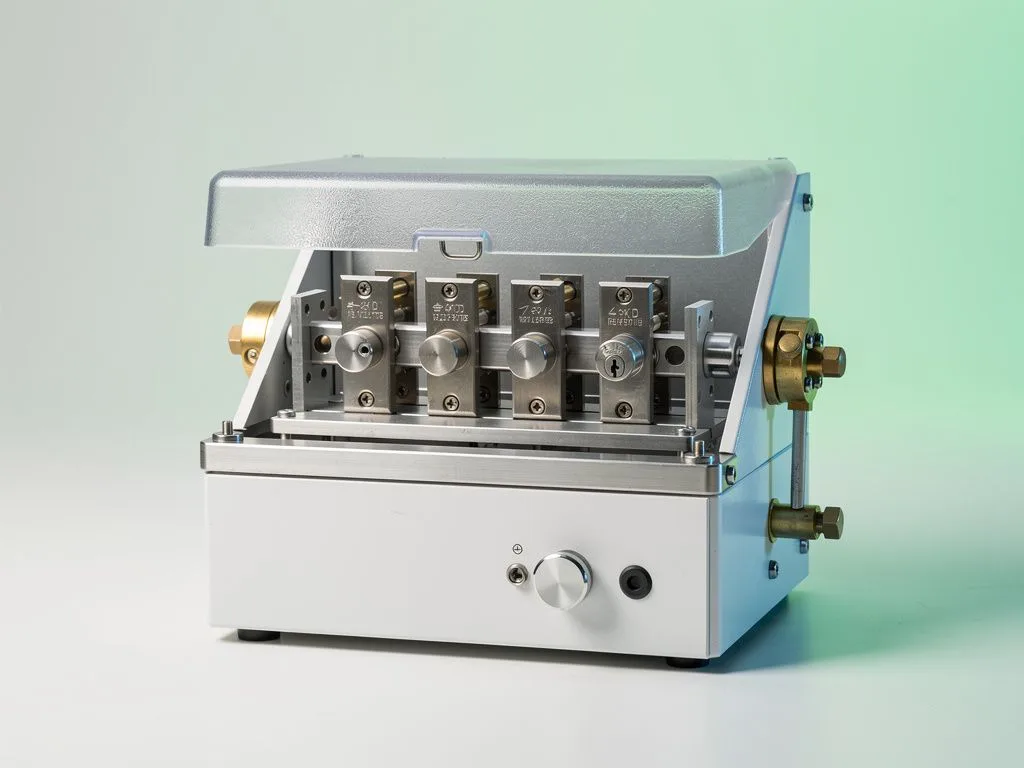
Mechanical and environmental reliability testing is the most basic hurdle for locks and is often underestimated by buyers. Common items include salt spray testing (evaluating the corrosion resistance of surface coatings and metal parts in a salt spray environment; travel padlocks commonly undergo test conditions ranging from 24 to 96 hours), cycle life testing (simulating the durability of repeated locking and unlocking of the lock cylinder and bolt), tensile and torque testing (verifying whether the lock body structure deforms or fails under external force), as well as drop, vibration, and high/low temperature cycling tests. The conditions and pass criteria for these tests vary depending on the product's intended use; for example, the cycle count requirements for gym locker locks and industrial electrical cabinet locks may differ significantly. When requesting quotes, buyers should proactively specify the usage scenario and expected frequency of use so that suppliers can provide test reports under the corresponding conditions.

Common tests and certifications for exported locks

  • Salt spray test

    Evaluates the corrosion resistance of the lock body and surface coating in a salt spray environment, commonly used for travel padlocks and outdoor cabinet locks.

  • Cycle life test

    Simulates the durability of repeated locking and unlocking of the lock cylinder and bolt, with different cycle thresholds set according to the usage scenario.

  • Tensile and torque test

    Verifies whether the lock body structure deforms or fails under external pulling or twisting forces.

  • Radio frequency certification

    Bluetooth, NFC, and RFID modules are tested according to each country's regulations, covering major markets in Europe, the Americas, and Asia-Pacific.

  • Battery and transport safety

    Products with lithium batteries must comply with UN 38.3 and complete air or sea shipping declaration procedures depending on the transport method.

  • Quality system audit

    Some buyers require suppliers to provide audit reports of their quality management system as a basis for long-term cooperation.

lock certification scene 1

What are the differences in certification requirements across export markets?

The differences in certification requirements across major export markets are the most important aspect for buyers to clarify early. In the US market, FCC certification is mandatory for wireless products, while certain mechanical products may require test reports depending on the buyer or channel requirements. In the EU market, wireless products must comply with the RED directive under CE, and for machinery safety, third-party involvement depends on the product risk assessment. Markets such as Japan, South Korea, Australia, and Canada each have their own independent radio frequency certification systems. A single Bluetooth module entering multiple markets often requires separate testing and multiple certificates, which is why the cost and lead time for IoT smart locks are frequently underestimated. If buyers plan to enter multiple countries simultaneously, they should discuss a "target market list" with the supplier at the early project stage to plan certification schedules and budgets, avoiding delays caused by late additions.

How should salt spray and endurance test reports be interpreted?

When interpreting test reports, buyers should not simply look at the "pass" or "fail" conclusion but should return to the test conditions themselves. A salt spray test report records the test duration, salt concentration, temperature and humidity conditions, and the evaluation criteria. A cycle endurance report records the number of test cycles, the force application method, and the failure criteria. Buyers should confirm whether these conditions match their actual usage scenarios. For example, if a travel padlock is mainly used in coastal or humid environments, the salt spray duration requirement should be increased accordingly. If a gym locker lock is opened and closed dozens of times a day, the cycle count threshold should also be adjusted accordingly. In addition, the test date and report number should be recorded in the procurement file for future traceability or to correspond to specific batches.

lock certification scene 2

What should be noted regarding RF certification for wireless modules?

IoT smart locks integrate wireless technologies such as Bluetooth, NFC, and RFID, and these modules must comply with the radio frequency requirements of each country when exported. Common certification systems include US FCC, EU CE-RED, Japan MIC (formerly TELEC), South Korea KC, Canada ISED, and Australia RCM. Buyers should pay special attention to the fact that RF certification is tested at the "whole device" or "module" level. If the antenna design, PCB layout, or RF parameters are changed after testing, the certificate may become invalid and require retesting or a change application. Additionally, if the supplier uses a pre-certified RF module, buyers should still confirm whether the whole device requires additional integration testing locally, as some countries require testing of the whole device rather than the module. Jin Tai Industry's IoT smart lock platform supports Bluetooth, NFC, RFID, and cloud connectivity, but the applicable markets and certificate numbers for specific RF certifications must be confirmed based on actual specifications.

How should battery and transportation regulations be handled?

Any lock product containing lithium batteries must comply with the UN 38.3 test requirements when exported, and the air or sea freight declaration procedures must be completed according to the transportation method. UN 38.3 covers altitude simulation, temperature tests, vibration, shock, external short circuit, crush, and overcharge, among other items, to ensure battery safety during transport. When requesting a quote, buyers should confirm whether the supplier has completed the UN 38.3 test and obtained the report, and also confirm whether the battery capacity falls within the limits set by airlines or shipping companies. If the product is exported by air, some airlines and freight forwarders also require additional packaging and labeling in compliance with the IATA Dangerous Goods Regulations. These details are often discovered only before shipment, so it is recommended to include them in the planning at the early project stage.

How Should Certification Costs and Timelines Be Estimated?

Estimating certification costs and timelines must be based on a clear list of target markets and product models, because testing requirements and submission procedures vary significantly across different markets and models. Generally, certifying a single model for a single market can take anywhere from several weeks to several months from submission to certificate issuance, with costs depending on the required tests and laboratory quotes. If multiple markets are involved, the overall timeline and total cost will increase considerably. When buyers ask suppliers about certification schedules, they should clearly specify which markets, which models, and whether series models can be submitted together, in order to receive a more accurate estimate. In OEM/ODM projects, certification costs may be borne by the buyer or absorbed by the supplier, so both parties should clearly agree on this during the contract stage to avoid disputes. Kingtech Industrial's OEM/ODM process includes the testing and certification phase, but specific costs and timelines are confirmed based on actual specifications.

FAQ

What testing and certification are required for lock exports?

Testing and certification for lock exports fall into three main categories: mechanical and environmental reliability, wireless radio frequency compliance, and transport and battery safety. Mechanical tests cover salt spray testing, cycle life, tensile and torque testing; wireless tests require radio frequency certification for Bluetooth, NFC, and RFID modules according to each country's regulations; transport and battery tests involve UN 38.3 for lithium batteries and air/sea transport declarations.

Why can't I just look at whether the supplier has certificates?

A certificate may only cover specific models, materials, or batches. Customs and regulatory authorities in importing countries check whether the model of this shipment falls within the scope of the certificate. Buyers should verify that the applicant, model, manufacturing address, and actual purchased model on the certificate match. If there are discrepancies, request written explanation or retesting.

How should salt spray and cycle life test reports be interpreted?

When interpreting test reports, do not only look at the pass/fail conclusion, but return to the test conditions themselves. Salt spray test reports record test duration, salt concentration, temperature and humidity conditions, and acceptance criteria; cycle life reports record the number of cycles, force application method, and failure criteria. Buyers should confirm whether these conditions match the actual usage scenario.

What should be noted regarding radio frequency certification for wireless modules?

Radio frequency certification is conducted on the complete device or module. If the antenna design, PCB layout, or RF parameters are changed after testing, the certificate may become invalid. If using a pre-certified RF module, it is still necessary to confirm whether the complete device requires additional integration testing locally, as some countries require testing of the complete device rather than the module.

How should certification costs and timelines be estimated?

Estimating certification costs and timelines must be based on a list of target markets and product models. Certification for a single model in a single market may take several weeks to several months from testing to certificate issuance; entering multiple markets simultaneously will significantly increase the total timeline and cost. Buyers should clearly specify which markets, which models, and whether series models can be combined for testing.

Need More Details on Certification?

Please provide your target market, product model, and usage scenario, and we will confirm the applicable testing items and certification scope based on actual specifications.