
jintay-locks lock-certification-6

Correspondence Between Lock Certification Scope and Actual Model Numbers

Lock certification is model-specific, not plant-wide. A single certificate typically covers only specific part numbers, specific lock body structures, specific materials, and specific test conditions. Changing a housing size, altering a bolt specification, or even switching material suppliers can invalidate the original certification. When requesting a quote, buyers should ask the supplier for a model-by-certification cross-reference table and verify the certificate status, applicable markets, and expiry date item by item to avoid shipments being held up by customs or distribution channels.
Key Takeaways

  • Certifications are model-specific, not plant-wide

    Lock certifications are tied to specific part numbers, lock body construction, materials, and test conditions. Changes to housing dimensions, bolt specifications, or material suppliers can invalidate the certification. Buyers should request a model-to-certification cross-reference table.

  • Three documents to verify model correspondence

    Buyers should obtain the certificate itself, the test report, and the model certification cross-reference table, and carefully check the model field, sample structure, and material list word for word, not overlooking even suffix differences.

  • OEM changes can trigger certification boundaries

    Changes to lock body dimensions, shackle material, housing plastic supplier, PCB layout, or wireless module chip may fall under change management or constitute structural changes, requiring re-testing. The scope of impact should be agreed upon before development.

  • Certification tracking should be integrated into procurement

    Certificates have expiry dates and standards are revised. Supplier address changes or material supplier changes may also trigger updates. Notification obligations should be stipulated in contracts, and checks should be performed at the four stages of RFQ, sampling, mass production, and shipping.

Why is the statement "plant-wide certification" of no reference value to buyers?

Because certification is tied to a specific product, not to a company. A factory with TSA approval does not mean all its padlocks can pass through US airport security; a supplier with CE marking does not mean every one of its combination locks can enter the EU market. When issuing a certificate, the certification body explicitly records the tested model, lock body specifications, mechanism drawings, and material list. If any aspect of the mass-produced product differs from the tested sample, the certificate does not automatically cover it. For buyers, a vague statement like "our company is certified" provides no useful information. What is truly useful is knowing that "this part number, this structure, and this batch of materials are covered under this certificate." Establishing this understanding first provides a basis for subsequent cross-referencing, traceability, and material changes.

Which three documents should buyers request from suppliers to confirm model correspondence?

The first is the certificate itself, which states the certificate number, issuing body, applicable product models, and expiry date. Buyers should verify that the model field exactly matches the part number they ordered, including any suffix differences. The second is the test report, which records the sample structure, test conditions, and results in more detail than the certificate and is the key basis for determining whether coverage still applies after material changes. The third is the model-by-certification cross-reference table, compiled by the supplier, listing which certificate or test corresponds to each sales model. This table is the most commonly used tool for daily ordering and shipment verification. When discussing OEM/ODM projects with buyers, Jintai Industrial confirms the corresponding status based on actual specifications and does not assume that a plant-wide certificate applies to all derivative models.

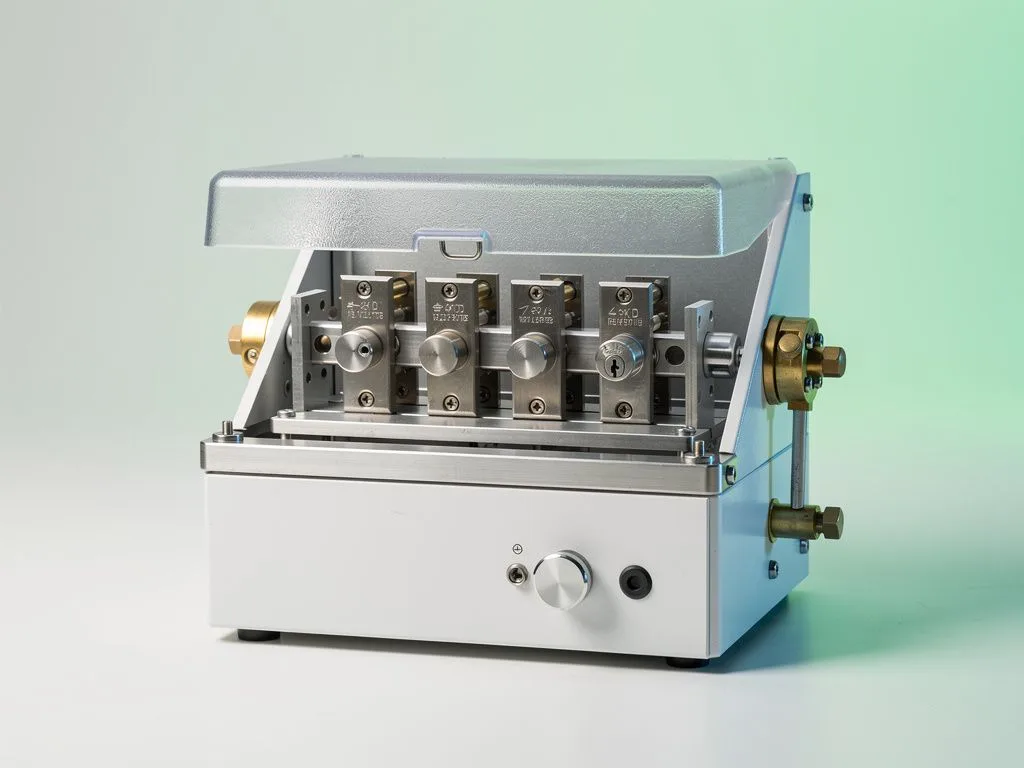
lock certification scene 1

Why does the certification boundary shift during OEM customization?

The essence of OEM customization is changing the product, and changing the product triggers the certification boundary. Common trigger points include enlarging or reducing the lock body size, changing the shackle diameter and material, switching the plastic housing supplier, adjusting the PCB layout of electronic locks, or using a different chip for Bluetooth/NFC/RFID modules. Some of these changes fall within change management, where the original certificate can be maintained through supplementary testing. Others are structural changes that require new sample testing. Before starting an OEM project, buyers should agree with the supplier on which changes affect certification, which certificates in which markets are affected, and include this agreement in the development specification. Jintai Industrial's OEM/ODM process covers DFM design evaluation, mold development, prototyping and verification, testing and certification, and mass production. At each stage, certification impact is included in the review. The actual scope of impact depends on the final design and target market.
How do certification priorities differ between travel security hardware and IoT smart locks?

For travel security hardware (such as TSA padlocks, combination locks, and key locks), certification priorities focus on the mechanical and physical aspects, including shackle shear and tensile strength, lock body impact resistance, mechanism durability cycles, and correct use of the TSA-accepted mark. Electronic combination locks additionally incorporate battery safety and electromagnetic compatibility. For IoT smart locks, certification priorities clearly shift toward the wireless and information aspects, including RF compliance for Bluetooth/NFC/RFID (with different frequency bands in different countries), electromagnetic compatibility of the wireless module, cybersecurity requirements for cloud connectivity, and, in some markets, additional regulations for lithium batteries and charging circuits. When a single factory produces both product types, buyers must verify them separately; travel lock certificates cannot cover smart locks, and vice versa. At JTIC, the two product lines are planned separately in terms of certification strategy, with the actual status depending on each model and target market.

Certification Alignment in Procurement Process

  1. 1

    Request reporting at RFQ stage

    During inquiry, require suppliers to report the certificates, markets, and test items corresponding to part numbers, and include this in supplier evaluation scoring.

  2. 2

    Verify structure at sampling stage

    Confirm that the sample structure matches the certified sample to avoid structural differences that could void certification coverage.

  3. 3

    Confirm materials before mass production

    Verify that materials and suppliers for the first mass production batch have not changed; any material change requires re-evaluation.

  4. 4

    Check validity before shipping

    Confirm that certificates are still within their validity period to avoid port delays due to expired certifications.

lock certification scene 2

Do certification requirements change with different application scenarios?

Yes, and the scenario often determines what additional tests are required. The same padlock used for luggage protection only needs TSA acceptance; used in gym or school lockers, it may need to comply with local fire safety and durability regulations for public spaces; used in industrial cabinets or electrical enclosures, it must incorporate ingress protection (IP ratings), tamper resistance, and extended vibration testing; used in rack power management, it also involves electrical safety and electromagnetic compatibility. Before placing an order, buyers should first clarify where the lock will be installed, who will use it, and in what environment, then ask the supplier to report the corresponding test items accordingly. JTIC's products cover scenarios including travel, lockers, industrial cabinets, and rack power management, with the certification combination for each scenario depending on the actual specifications and shipping destination.

How can buyers continuously track certificate status, expiry dates, and market changes?

Certification is not a one-time event but an ongoing status that requires continuous tracking. Certificates have expiry dates, and retesting or renewal must be arranged before they expire. Certification standards themselves are also revised—for example, updates to the EU Radio Equipment Directive or adjustments to FCC rules in the US—which may cause old certificates to automatically lapse or require supplementary testing. In addition, changes to a supplier's factory address, production line relocation, or replacement of key material suppliers can all trigger certificate update requirements. Buyers should include a certificate status notification obligation in the contract, requiring the supplier to proactively notify them when a certificate expires, changes, or is suspended, and to incorporate the corresponding update testing into the schedule. During mass production, JTIC maintains certification status according to actual specifications and target markets; buyers can request the latest certificates and cross-reference copies before each order.

Six-point checklist for buyers verifying the model × certification correspondence

  • Verify the model number field on the certificate character by character

    Compare the ordering part number with the model number recorded on the certificate, including suffixes and version numbers; any character difference should be treated as not covered.

  • Compare the test report structure and materials

    Confirm that the sample structure, lock body dimensions, shackle specifications, and material list are consistent with the mass production plan; any material or structural change requires re-evaluation.

  • Confirm the applicable market and regulatory version

    Verify that the regulatory version referenced by the certificate matches the current requirements of the target market; older certificates may not apply to new regulations.

  • Track expiry dates and retesting schedules

    Keep track of certificate expiry dates and arrange retesting or renewal in advance to avoid certificate lapse before shipment, which could cause port delays.

  • Assess the certification impact of OEM changes

    Any custom modification should be evaluated for its impact on certification; if necessary, initiate supplementary testing or re-submit samples, and document the results in the development files.

  • Include a certificate status notification obligation in the contract

    Stipulate in the purchase contract that the supplier must proactively notify the buyer of any certificate changes, expiry, or suspension, and provide the latest copies.

Make certification mapping part of the procurement process, not a last-minute check

The most problematic time for certification mapping is discovering that the certificates do not cover the product after it has been manufactured and is ready for shipment. A more reliable approach is to move certification mapping forward to the RFQ stage: when requesting a quote, ask suppliers to report which certificates, markets, and tests apply to the specific part number, and include this information in the supplier selection score. During the prototyping stage, reconfirm that the prototype structure matches the certified sample. Before mass production, confirm that the materials and suppliers for the first production batch have not changed. Before shipment, confirm that the certificates are still valid. By fixing these four checkpoints, certification risk can shift from "firefighting after the fact" to "controlled in advance." In the OEM/ODM process, Jintai Industrial incorporates certification impact checks during the DFM design review and prototyping validation stages; the actual status will be confirmed based on the final specifications and target market.

FAQ

Why can't I trust a supplier's claim of 'plant-wide certification'?

Certifications are tied to specific products, not the company. The certificate records the sample model, lock body specifications, mechanical drawings, and material list. If any aspect of the mass-produced product differs from the sample, the certificate does not automatically cover it. A vague claim provides no useful information.

What three documents should buyers request from suppliers to verify certification?

The first is the certificate itself, to verify that the model field exactly matches the ordered part number. The second is the test report, to confirm the sample structure and materials. The third is the model certification cross-reference table, used as a daily tool for order and shipping verification.

Which OEM customization changes can invalidate certification?

Changes to lock body dimensions, shackle diameter and material, housing plastic supplier, PCB layout, or switching to a different wireless module chip may all trigger certification boundaries. Some require supplementary testing, while others require re-sampling.

How do certification requirements differ between travel locks and IoT smart locks?

Travel security hardware focuses on mechanical and physical aspects such as shackle shear resistance, tensile strength, and endurance cycles. IoT smart locks focus more on wireless RF compliance, electromagnetic compatibility, cloud security, and lithium battery regulations. The two product types require separate checks.

Do different application scenarios affect certification test items?

Yes. Luggage locks require TSA approval, lockers may need fire resistance and durability standards, industrial cabinets require IP ratings and tamper tests, and cabinet power management involves electrical safety. The intended use environment should be clearly defined before ordering.

Need a "model × certification" cross-reference table and target market assessment

Please provide your target market, application scenario, and estimated batch size, and we will report the corresponding certification status and follow-up testing recommendations based on the actual specifications.