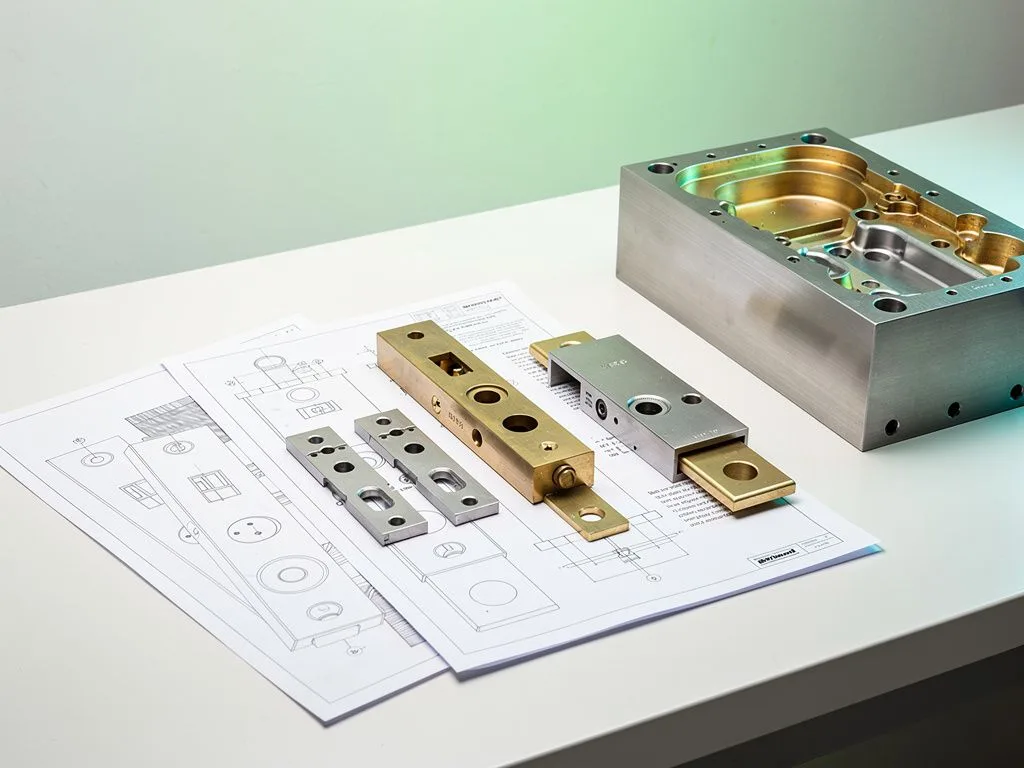
How Are Responsibilities Divided Between OEM and ODM for Locks?
The division of responsibilities between OEM and ODM depends on how far the buyer takes the design. In OEM (Original Equipment Manufacturing), the buyer provides the complete design and specifications, and the factory handles prototyping, certification, and mass production. In ODM (Original Design Manufacturing), the factory manages everything from appearance, structure, and electronic component selection through to mass production, while the buyer focuses mainly on branding and the market. To determine where responsibility lies, look at three things: who provides the design drawings, who selects the materials and electronic components, and who owns the molds and IP. Clarifying these three points helps avoid delays, quality disputes, and ambiguity over after-sales maintenance responsibilities.
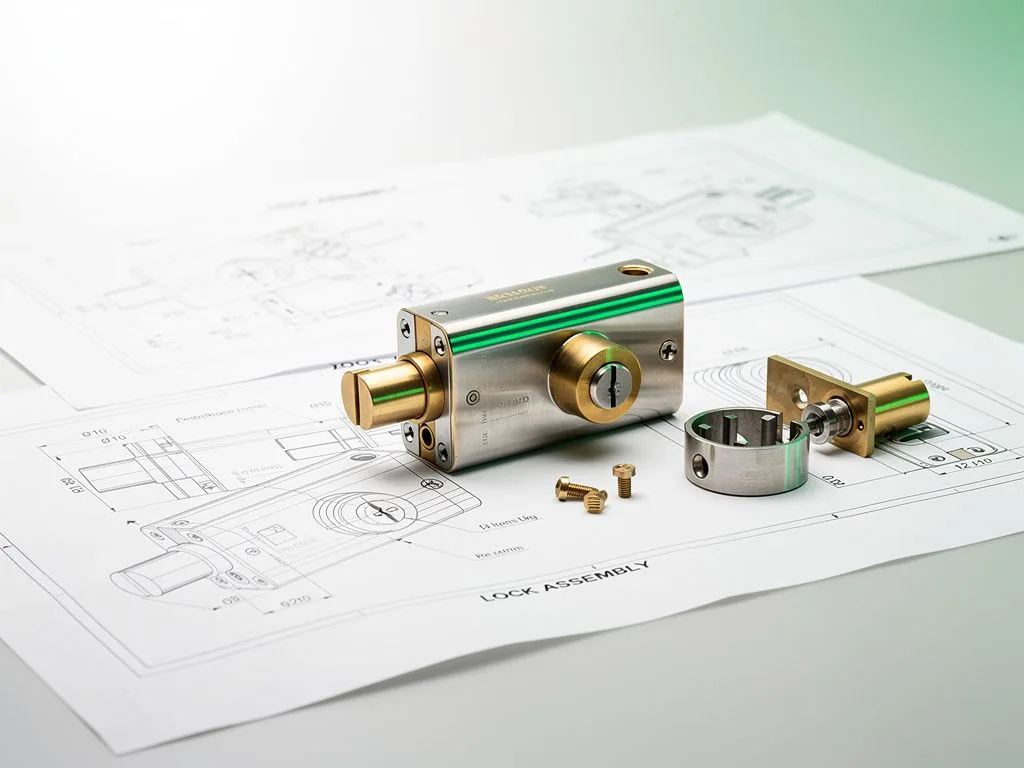
Key Takeaways
Responsibility Boundaries Depend on Design Depth
In OEM, the buyer provides complete design and specifications; in ODM, the factory handles everything from appearance to mass production. The determination is based on design drawings, material selection, and mold IP ownership.
Mold and IP Ownership Are Core Points of Dispute
In OEM cases where the buyer funds the mold, the mold belongs to the buyer; in ODM cases where the factory funds the mold, it belongs to the factory or is jointly owned. The scope and duration of IP licensing must be clearly stated in the contract.
Certification Responsibilities Are Divided by Product and Market
The factory is responsible for product-level testing and pre-shipment verification, while the buyer is responsible for target market regulatory applications and external certification costs. Additional fees and responsibilities apply if the factory handles submission on behalf of the buyer.
Preparing Information Before Inquiry Can Avoid Disputes
Buyers should provide target market, estimated volume, completeness of design data, and certification requirements during the inquiry stage, helping the factory determine the OEM or ODM route and provide more accurate quotes.
In OEM Mode, What Materials Must the Buyer Deliver for the Design to Be Considered Complete?
In OEM mode, the buyer must deliver a complete set of materials that allows the factory to proceed directly to prototyping—concept drawings alone are not sufficient. A typical complete OEM data package includes: 2D engineering drawings (with tolerance callouts), 3D files (STEP or IGES), exploded views and a BOM, material and surface finish specifications, schematics and PCB layout for the electronic parts (if it is an electronic lock), technical requirements for the cylinder and key system, and the expected certification items and target markets. The more complete the data, the faster the factory can complete its DFM (Design for Manufacturability) assessment, and the fewer prototyping iterations will be required. If the buyer provides only appearance renderings without internal structural details, the factory will usually request additional information or charge extra for reverse engineering, which directly affects lead time and cost. It is recommended that buyers prepare the data package as an attachment during the inquiry stage to avoid being re-quoted later as a design change.
In ODM Mode, What Scope Does the Factory's Design Responsibility Cover?
In ODM mode, the factory's design responsibility covers the entire chain, from appearance styling, internal structure, mechanical component selection, electronic circuits, and firmware development to mass production process planning. Taking lock ODM as an example, the factory is typically responsible for: appearance ID design, lock body structure and mold development, cylinder mechanism design, selection and integration of Bluetooth/NFC/RFID modules, initial planning of the APP communication protocol, and development of mass production and testing fixtures. The buyer's responsibilities in an ODM project are concentrated on: brand positioning and target market, price band planning, final appearance style decisions, trade-offs on feature priorities, and subsequent market-side certification applications and regulatory compliance. Once responsibilities are clearly divided, the decision points during development can be aligned, avoiding a gray area where the factory assumes the buyer will make changes and the buyer assumes the factory will make them.

Who Owns the Molds and Intellectual Property? This Is the Core of Responsibility Boundaries
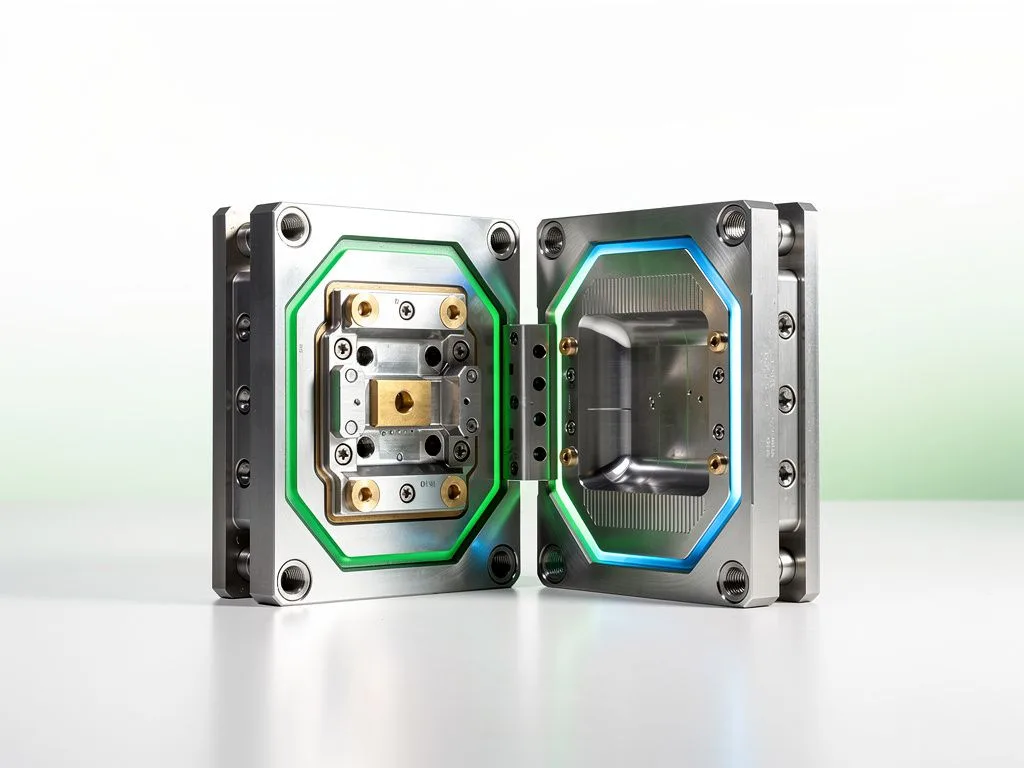
Mold and IP ownership is the most dispute-prone aspect of the OEM/ODM responsibility boundary. The general convention is: in OEM projects where the buyer fully funds the mold, the mold belongs to the buyer, and the factory is only responsible for storage and maintenance. In ODM projects where the factory funds or co-funds the mold development, ownership typically belongs to the factory or is shared, and the buyer obtains usage rights rather than disposal rights. For IP, OEM projects are mostly 'buyer designs, factory manufactures,' with design IP belonging to the buyer, and the factory may not use it for other customers. In ODM projects, designs and technologies originally created by the factory remain the factory's IP, and the buyer obtains an exclusive or non-exclusive license for that specific project. In practice, it is recommended that the contract explicitly state the mold storage location, mold transfer conditions, IP license scope and duration, and the priority for subsequent production after the project ends. These clauses protect both parties far better than verbal commitments.
Certification requirements vary by target market and product type. Common items include wireless certifications (such as RF compliance in various countries), battery safety testing, APP-side security assessments, and data protection regulations related to cloud platforms. The general principle of responsibility allocation is: the factory is responsible for product-level testing and internal verification before shipment, while the buyer is responsible for regulatory applications and external certification costs in the target market. However, if the factory already has existing certification experience and laboratory resources, both parties can also agree that the factory will handle the testing on the buyer's behalf, with costs negotiated separately. Certification lead time often accounts for a significant portion of the overall development schedule, so confirming the target market and certification requirements early can avoid design changes forced late in the process that delay mass production.
OEM and ODM Collaboration Process
- 1
Organize Requirements and Attachments
Compile target market, estimated volume, completeness of design data, and certification requirements into attachments, then submit an inquiry to the factory.
- 2
Determine Collaboration Mode
The factory determines whether to take the OEM or ODM route based on the four pieces of information provided by the buyer, and provides a quote close to actual costs.
- 3
Confirm Responsibility Boundaries
Clearly stipulate mold ownership, IP licensing scope, certification cost sharing, and design change handling procedures in the contract.
- 4
Execute Development and Mass Production
In OEM, the buyer delivers complete design data and the factory prototypes and mass produces; in ODM, the factory handles everything from design to mass production, while the buyer is responsible for brand and market aspects.

When delivery delays or quality disputes occur, how is responsibility determined?
When delivery delays or quality disputes occur, responsibility determination must go back to the original responsibility boundary agreement. There are three common types of disputes: the first is delays caused by design changes, where responsibility lies with the buyer, provided the factory has provided written notice of the change impact and obtained the buyer's confirmation; the second is delays caused by process yield not meeting targets, where responsibility lies with the factory and must be supported by data such as first article inspection and process capability index (Cpk); the third is quality issues caused by defective incoming materials or electronic components, where responsibility lies with the supplier, but in OEM projects where the buyer designates the components, the factory can claim exemption. It is recommended that both parties stipulate in the contract: a written notification mechanism for design changes, standards for incoming quality control (IQC) and outgoing quality control (OQC), customer complaint response time limits, and the cost-sharing principles for returns and rework. Agreeing in advance protects the relationship better than negotiating after the fact.
How should buyers prepare to make OEM and ODM collaborations run more smoothly?
How should buyers prepare to make collaborations run more smoothly? The key is to clarify the responsibility boundaries during the RFQ stage, rather than waiting until after the contract is signed. It is recommended that buyers prepare four pieces of information when first contacting a factory: target market and expected price range, estimated annual demand and initial order quantity, priority order of functionality and appearance, and the completeness of existing design documentation. These four pieces of information help the factory determine whether to take the OEM or ODM route, and also make the quotation closer to actual costs. If a buyer has multiple products in parallel (for example, travel locks and cabinet locks), they may consider establishing a collaboration foundation with an ODM project first, then gradually transitioning to an OEM project to deepen their own design capabilities. In practice, this transition pace is more stable than trying to do everything at once. Well-prepared buyers can usually avoid most responsibility disputes in the early development stage and are also more likely to secure better lead times and pricing terms.
Six checkpoints for OEM and ODM responsibility boundaries
Design documentation delivery checklist
OEM projects require complete 2D drawings, 3D files, BOM, and electronic specifications; for ODM projects, the factory produces them and the buyer only needs to confirm.
Material and component designation rights
When the buyer designates components, the factory can claim exemption for defective incoming materials; when the factory selects materials, quality responsibility lies with the factory.
Mold ownership and storage
Molds funded by the buyer belong to the buyer; when funded by the factory or jointly, the storage location and transfer conditions must be clearly agreed in writing.
IP licensing scope and duration
In OEM projects, design IP belongs to the buyer; in ODM projects, factory-original IP requires agreement on licensing scope, exclusivity, and duration.
Certification application and cost sharing
The factory is responsible for product testing, and the buyer is responsible for market-side regulatory applications; sending samples for testing on the buyer's behalf requires separate negotiation of fees and responsibility.
Design change and complaint handling process
Written change notifications, IQC/OQC standards, and return/rework cost sharing must be clearly documented in the contract.
FAQ
What materials must the buyer deliver in OEM mode for the design to be considered complete?
The buyer must deliver a complete data package sufficient for the factory to proceed directly to prototyping, including 2D engineering drawings (with tolerances), 3D files (STEP or IGES), exploded views and BOM, material and surface finish specifications, electronic schematics and PCB layout, technical requirements for the lock cylinder and key system, as well as expected certification items and target market. Providing only appearance renderings will result in requests for additional materials or extra charges for reverse engineering.
What scope of design responsibility does the factory cover in ODM mode?
In ODM mode, the factory is responsible for the entire chain from appearance styling, internal structure, mechanical component selection, electronic circuits, firmware development, to mass production process planning, including ID design, lock body structure and mold development, lock cylinder mechanism design, Bluetooth/NFC/RFID module selection and integration, preliminary APP communication protocol planning, and development of production and testing fixtures. The buyer is responsible for brand positioning, price band planning, appearance style decisions, and market-side certification applications.
Who owns the molds and intellectual property in OEM and ODM cases respectively?
In OEM cases where the buyer fully funds the mold, the mold belongs to the buyer, and the factory is only responsible for storage and maintenance. In ODM cases where the factory funds or co-funds the mold, ownership typically belongs to the factory or is jointly owned, with the buyer obtaining usage rights rather than disposal rights. For IP, in OEM cases the design IP belongs to the buyer; in ODM cases, the factory's original design and technical IP belong to the factory, and the buyer obtains exclusive or non-exclusive licensing. Storage location, transfer conditions, and licensing duration must be agreed in the contract.
How should certification and testing responsibilities and costs be shared?
The general principle is that the factory is responsible for product-level testing and internal pre-shipment verification, while the buyer is responsible for target market regulatory applications and external certification costs. If the factory has existing certification experience and laboratory resources, it can be agreed that the factory handles submission on behalf of the buyer, with additional fees. Certification timelines account for a significant portion of overall development time, so target markets and certification items should be confirmed early to avoid design changes that delay mass production.
How is responsibility determined in cases of delivery delays or quality disputes?
Delays caused by design changes are the buyer's responsibility, but the factory must provide written notice and obtain confirmation. Delays due to process yield not meeting standards are the factory's responsibility, supported by first article inspection and Cpk data. Quality issues from defective materials or electronic components are the supplier's responsibility, but in OEM cases where the buyer specifies components, the factory can claim exemption. It is recommended to include in the contract a written notification mechanism for design changes, IQC/OQC standards, customer complaint response time limits, and principles for sharing return and rework costs.
Prepare Your Responsibility Boundary Requirements as an Attachment Before Requesting a Quote
Compile your target market, estimated order volume, design data completeness, and certification requirements into an attachment before sending an OEM or ODM inquiry to Jin Tai Industrial. This will make the quotation and delivery assessment more accurate to your actual situation.