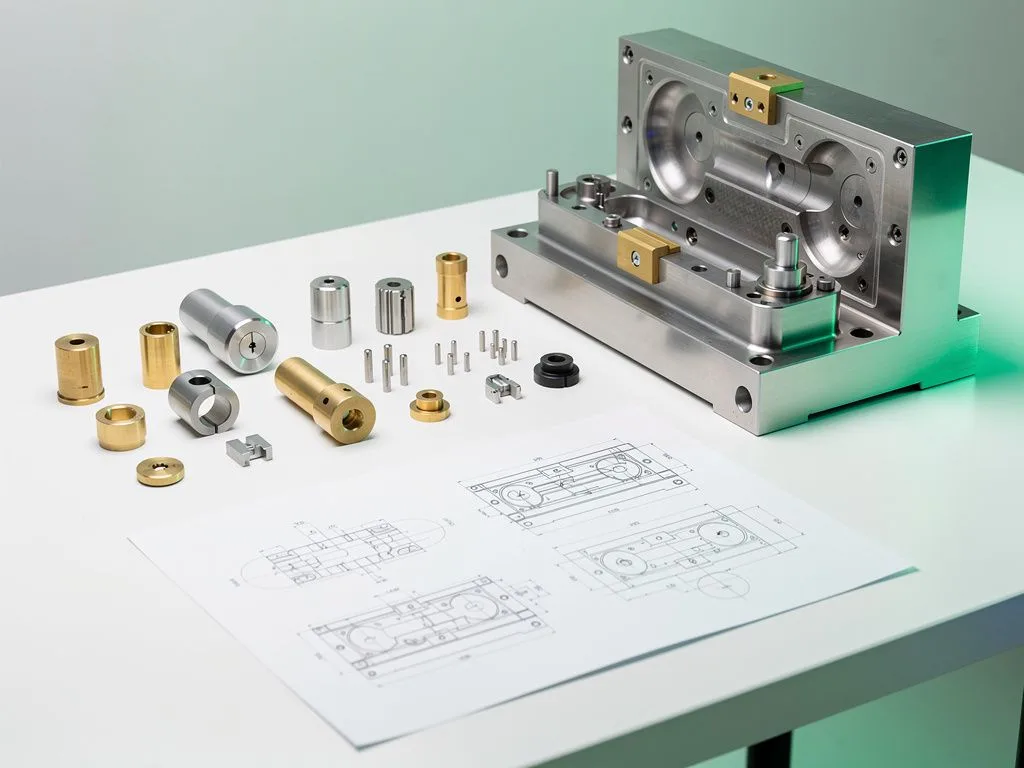
What is the minimum order quantity for a small-batch first order in lock OEM?
There is no industry-wide standard MOQ for small-batch first orders in lock OEM; it varies by product type, number of mechanical components, certification requirements, and material stocking approach. Travel security hardware (TSA padlocks, combination locks, key locks) can typically be ordered from a lower batch size, while IoT smart locks require simultaneous mold development for electronic modules and housings, resulting in significantly different MOQ and unit price structures. Buyers should plan in two stages—"first order for validation + subsequent replenishment"—and confirm the actual quantity and lead time for each stage with the factory.
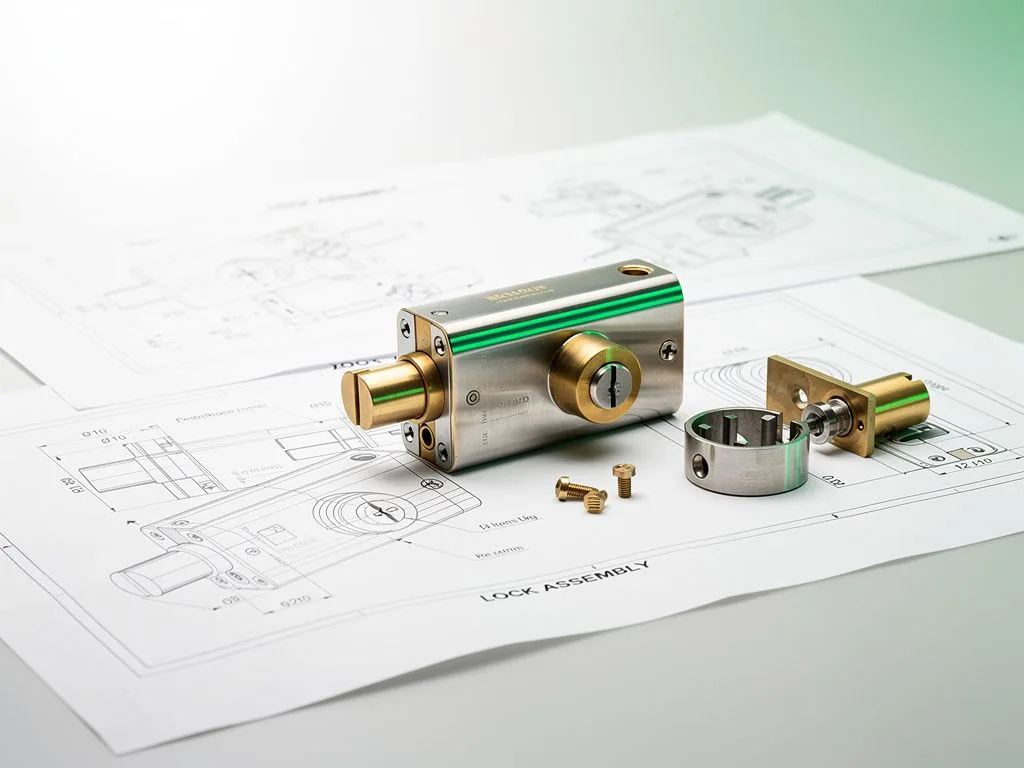
Key Takeaways
MOQ is determined by three variables
The MOQ for lock OEM is jointly determined by tooling amortization for mechanical parts, electronic module minimum order thresholds, and certification test sample counts, not a single fixed number.
Smart lock MOQs are higher than mechanical locks
IoT smart locks typically have MOQs several times higher than purely mechanical locks due to electronic module stocking and housing tooling requirements. A single model can be validated first, then replicated across the platform.
First orders aim to validate mass production
The first order should validate mechanical, electronic functionality, compatibility, and certification compliance before entering mass production, reducing the risk of subsequent reorders.
Negotiation flexibility comes from trade-offs
Buyers can use existing parts, provide annual volume commitments, accept standard colors and packaging, and request transparent pricing to secure lower first-order MOQs.
Why can't the MOQ for lock OEM be answered with just one number?
The most common mistake buyers make is expecting the factory to provide a single "minimum order quantity" as the only answer. In reality, MOQ is determined by three variables: mold amortization for mechanical parts, material procurement thresholds for electronic modules, and the minimum sample quantity required for certification testing. For a supplier like King Tai Industrial, which operates both travel security hardware and IoT smart lock production lines, the MOQ for purely mechanical locks can differ by several times from that of smart locks with Bluetooth/NFC/RFID modules. Buyers should proactively provide information such as target product type, estimated annual volume, and whether OEM branding is required when requesting a quote, so the factory can offer a flexible solution that closely matches actual needs. MOQ is not a marketing number but an engineering result of material planning and scheduling—this is the starting point for aligning expectations between buyer and factory.
What factors typically affect the MOQ for small-batch first orders of travel security hardware?
For travel security hardware such as TSA padlocks, combination locks, and key locks, the mechanical components are relatively simple. The key factors affecting MOQ are whether the molds for the housing and lock cylinder are shared, whether new molds are needed for new colors or logos, and the design maturity of safety-related accessories (such as TSA keyhole structures). If the buyer accepts the factory's existing molds and color options and only requires custom logo laser engraving or packaging, the first-order quantity can usually be kept in a lower range. If new colors, new sizes, or new mechanisms are required, mold amortization costs must be included in the first-order unit price, or a "mold fee + higher unit price" arrangement can be used to achieve a lower MOQ. King Tai Industrial supports OEM customization and brand collaboration. Buyers should state their "first-order target quantity" during the DFM design evaluation stage so the factory can adjust its material procurement strategy accordingly and avoid inventory pressure from overstocking.

Why is the first-order MOQ for IoT smart locks typically higher than for purely mechanical locks?
IoT smart locks integrate Bluetooth, NFC, RFID, and cloud connectivity. Each electronic module has a minimum material procurement batch, and PCBs, battery holders, and antenna structural components often require separate procurement. When a buyer requires different product types—such as padlocks, cabinet locks, and identity verification locks—to share the same electronic platform, the factory needs to create molds for each housing type, and mold amortization is directly reflected in the first-order MOQ. A common compromise is to first complete prototyping, validation, and certification testing with a single product type (e.g., cabinet locks), then replicate the electronic platform to the second and third product types. This way, the first-order MOQ can be concentrated on a single housing, and subsequent product types can be introduced incrementally with additional molds. King Tai Industrial's OEM/ODM process covers DFM design evaluation, mold development, prototyping, validation, certification testing, and mass production. Buyers should treat the "product type introduction sequence" as part of MOQ planning rather than requiring all product types to be mass-produced simultaneously.
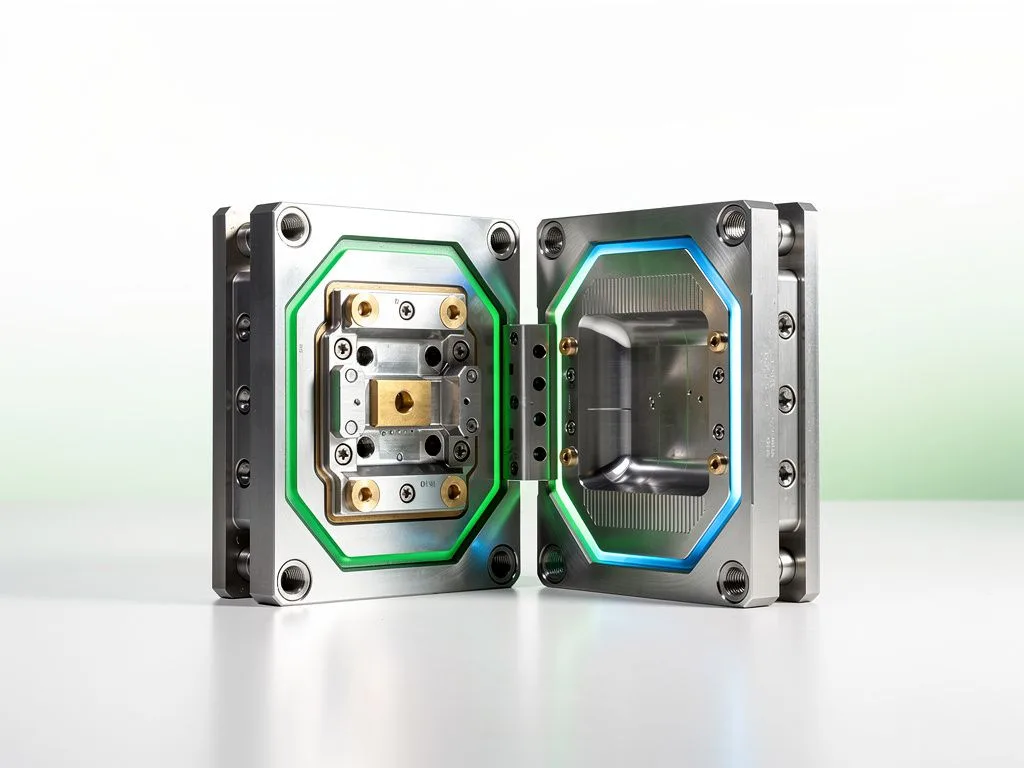
How can buyers negotiate a more flexible first-order MOQ with a factory?
When negotiating MOQ flexibility with a factory, buyers can approach from four angles. First, clarify which parts can use the factory's existing materials and which require new tooling, as this directly determines the material procurement threshold. Second, clearly communicate the estimated annual purchase volume and reorder rhythm; factories are usually willing to trade a lower first-order MOQ for stable subsequent orders in exchange for long-term cooperation. Third, assess whether to accept the factory's standard colors and standard packaging, concentrating customization on the logo and manual to reduce first-order setup costs. Fourth, require the factory to list the four fields of tooling fee, unit price, MOQ, and lead time separately on the quotation, avoiding the loss of transparency when the MOQ is bundled into the total price. Jintai Industrial, located in Taishan District, New Taipei City, Taiwan, allows buyers to align these items directly with its sales team, shifting MOQ negotiation from price comparison to conditional exchange, which typically secures a more flexible solution that better fits actual needs.
First-Order Validation Process
- 1
Mechanical validation
Verify unlocking smoothness, cylinder lifespan, housing impact resistance, and salt spray testing—the fundamentals for travel security hardware.
- 2
Electronic functionality validation
Verify Bluetooth pairing success rate, NFC read range, RFID sensing consistency, and cloud backend connection stability.
- 3
Compatibility validation
Conduct integration testing with the buyer's own app, backend system, and access control management platform. Often underestimated, this is critical to project success.
- 4
Certification and compliance confirmation
Require the factory to provide specific certificate copies and test reports for the corresponding product line, rather than just stating that certification has been obtained.

What items should buyers prepare during the first-order validation phase?
The purpose of the first order is not to receive goods but to validate mass production feasibility. Therefore, buyers should prepare four categories of validation items during the first-order phase. First, mechanical component validation: lock opening smoothness, cylinder lifespan, housing impact resistance, and salt spray testing—these are the basics for travel security hardware. Second, electronic function validation: Bluetooth pairing success rate, NFC read distance, RFID sensing consistency, and cloud backend connection stability—these are the core of IoT smart locks. Third, compatibility validation: integration testing with the buyer's own app, backend system, and access control management platform; this part is often underestimated but is critical to project success. Fourth, certification and compliance: the original website mentions certain compliance claims, but the applicable product lines and certificate numbers are pending confirmation; buyers should request the factory to provide specific certificate copies and test reports for the corresponding product lines rather than accepting a mere statement of certification. After completing these four validation categories, proceeding to formal mass production minimizes the risk of subsequent reorders.
How long does the first-order lead time usually take? Which steps are most prone to delays?
The lead time for lock OEM from design to mass production varies depending on part complexity and whether new tooling is required. For purely mechanical locks using existing molds, the first-order lead time is mainly affected by packaging and logo customization; for new tooling, the mold development, prototyping validation, and testing certification phases must be included. IoT smart locks typically have longer first-order lead times due to electronic module procurement and firmware tuning. The three most delay-prone steps are: mold modifications (repeated mold revisions due to inadequate DFM evaluation), electronic component lead times (shortages of Bluetooth or NFC chips), and certification scheduling (fully booked test laboratory slots). When planning the launch schedule, buyers should reserve buffer time for each of these three steps and specify in the contract how delays in key milestones will be handled, to prevent a single point of delay from derailing the overall timeline. Jintai Industrial's OEM/ODM process covers these steps, and buyers can align deliverables and acceptance criteria for each milestone with the factory accordingly.
Six checkpoints for buyers evaluating the first-order MOQ of a lock OEM
Part type and mechanical complexity
Clarify whether it is a TSA padlock, combination lock, key lock, or IoT smart lock; the number of mechanical parts directly affects mold amortization and MOQ.
Electronic module procurement
Bluetooth, NFC, and RFID modules each have minimum procurement batch sizes; IoT part types require independent evaluation of electronic component thresholds.
Customization scope
New colors, new sizes, new logos, and new packaging raise the MOQ; standard colors and standard packaging can secure a lower first-order quantity.
Certification and testing requirements
Confirm the safety and certification requirements of the target market and include the number of test samples in the first-order MOQ calculation.
Annual purchase volume commitment
Provide estimated annual volume and reorder rhythm; factories are usually willing to offer first-order MOQ flexibility in exchange for long-term cooperation.
Quotation transparency
Require the four fields of tooling fee, unit price, MOQ, and lead time to be listed separately, avoiding the loss of a negotiation basis when the MOQ is bundled into the total price.
After confirming the initial MOQ, what follow-up metrics should buyers still track?
Confirming the MOQ is only the starting point. Buyers still need to track four follow-up metrics to ensure the project runs smoothly. First, the on-time delivery rate: whether the first order is completed within the agreed lead time is key to assessing the factory's scheduling capability. Second, yield rate and defect rate: if the yield rate of the first mass production run falls below expectations, the unit price for subsequent replenishment orders will be pushed higher. Third, alternative component solutions for electronic modules: the risk of chip shortages for IoT smart locks is high, so buyers should confirm whether the factory has a list of alternative components. Fourth, the timeline for introducing subsequent models: if the buyer plans to replicate a single electronic platform across multiple models, they should confirm the tooling and material preparation schedules for the second and third models with the factory during the first-order stage to avoid material competition later. These four metrics should be reviewed regularly after the first order is completed to extend the value of the small-batch first order into the subsequent mass production phase.
FAQ
What is the MOQ for a small-batch first order in lock OEM?
There is no industry-wide standard MOQ for small-batch first orders in lock OEM; it varies by product type, number of mechanical parts, certification requirements, and stocking methods. Travel security hardware can typically start from lower quantities, while IoT smart locks have significantly higher MOQs due to simultaneous tooling for electronic modules and housings.
Why can't I just ask a factory for a single MOQ number?
MOQ is an engineering result determined by three variables: tooling amortization for mechanical parts, electronic module minimum order thresholds, and minimum sample counts for certification testing. Buyers should provide the target model, estimated annual volume, and customization needs so the factory can return a realistic flexible solution.
What factors affect the MOQ for small-batch first orders of travel security hardware?
TSA padlocks, combination locks, and key locks have relatively simple mechanical parts. The key factors affecting MOQ are whether the housing and cylinder tooling are shared, whether new tooling is needed for new colors or logos, and the maturity of safety accessory designs. Accepting existing tooling and color schemes can lower the first-order quantity.
Why are MOQs for IoT smart locks higher than for purely mechanical locks?
IoT smart locks integrate Bluetooth, NFC, RFID, and cloud connectivity. Each electronic module has a minimum stocking quantity, and PCBs, battery holders, and antenna structural parts must be stocked separately. When different models share an electronic platform, each housing requires tooling, and tooling amortization is directly reflected in the MOQ.
How can buyers negotiate more flexible first-order MOQs with factories?
There are four angles: clarify which parts use existing components, communicate annual purchase volume and reorder cadence, accept standard colors and packaging, and request quotes that list tooling fees, unit price, MOQ, and lead time in four separate columns. Turning negotiation from price comparison into trade-offs usually secures a more flexible solution.
Ready to start a small-batch first order for lock OEM?
Provide your target model, estimated annual volume, and customization needs, and let Jin Tai Industry confirm a feasible first-order MOQ and lead time based on actual specifications.