jintay-locks tsa-sourcing-5

What durability tests are used for travel locks?

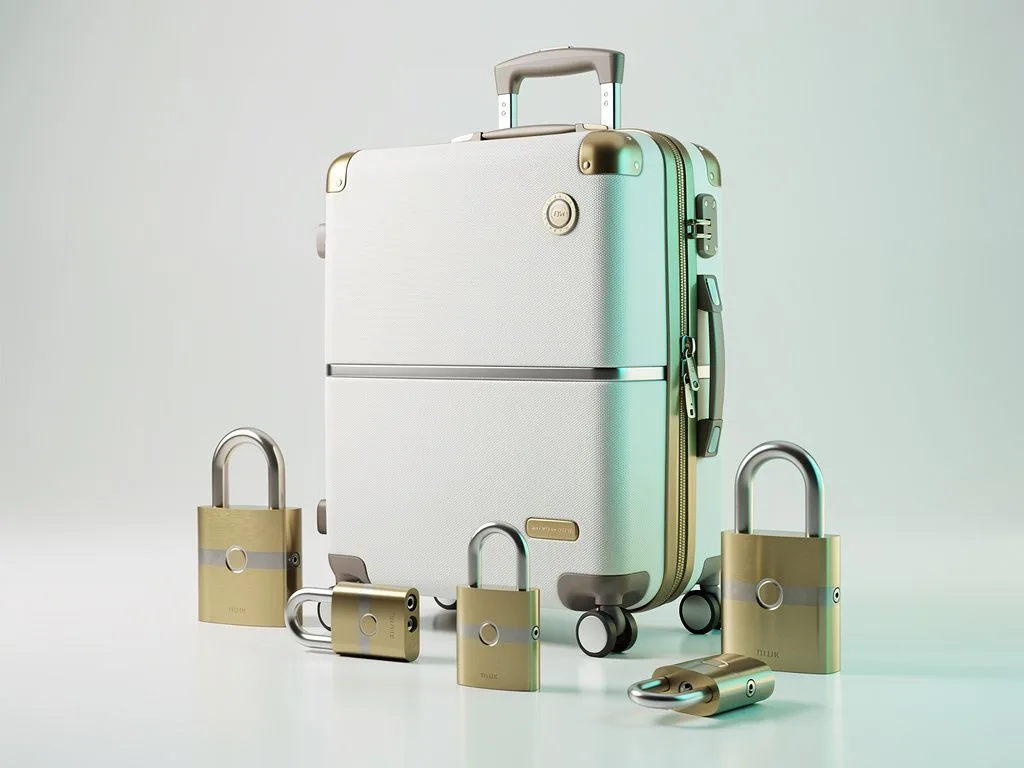
Durability testing for travel locks typically covers lock body tensile strength, repeated shackle open-close cycling, code or key mechanism lifespan, salt spray corrosion, drop impact, vibration simulation, and temperature-humidity cycling. The goal is to replicate the real stresses luggage encounters on conveyor belts, under stacking pressure, and during international transit. For B2B buyers, reviewing the test methods, pass/fail criteria, and sample sizes item by item is more informative than simply seeing a "test passed" statement. Before purchasing, request the supplier's test procedure documentation and corresponding sample reports, and compare them against the compliance requirements of your target market.
Key Takeaways

  • Durability testing covers multiple stress factors

    Travel lock durability testing covers lock body tensile strength, shackle strength, repeated open/close cycles, salt spray corrosion, drop impact, vibration simulation, and temperature/humidity cycling, replicating real-world stresses during baggage handling.

  • B2B buyers should review test conditions item by item

    Buyers should examine test methods, acceptance criteria, and sample sizes item by item, which is more effective than simply seeing "passed testing" for assessing supplier quality, and should request test procedure documentation and sample reports.

  • Salt spray testing affects coastal market evaluations

    Salt spray test results directly impact unboxing impressions and return rates among consumers in North America, Europe, and coastal markets. Buyers should verify that the entire lock is tested rather than individual components.

  • OEM testing responsibilities must be defined in contracts

    Testing responsibilities for OEM custom travel locks fall into two phases: design review and prototype validation. It is recommended that contracts clearly define testing responsibility allocation, retest timing, and procedures for handling failures.

Why do travel locks need durability testing?

During checked baggage handling, travel locks endure pulling on conveyor belts, static pressure from stacking, drops during handling, and temperature and humidity changes in international transit—stresses far beyond typical household padlock use. Durability testing converts these random stresses into repeatable laboratory conditions, allowing buyers to predict before shipment whether the lock will fail within the warranty period due to shackle deformation, mechanism jamming, or surface corrosion. For distributors, durability directly affects return rates and brand reputation; for corporate gift buyers, it determines whether the gift will survive a full trip without losing function. When evaluating suppliers, buyers should treat durability testing as a mandatory check item on par with TSA certification and material certificates, not as an optional extra.

What conditions should be checked in lock body tensile and shackle strength tests?

Lock body tensile and shackle strength testing is the first line of defense in assessing whether a travel lock can withstand external force. The test method typically uses a tensile testing machine to apply vertical and lateral pulling forces to the shackle until it deforms or breaks, recording the force value at failure. Buyers should focus not on a single number, but on whether the test conditions cover both short-shackle and long-shackle specifications, whether cable shackles and solid shackles are distinguished, and whether the sample size is sufficient to reflect batch consistency. For buyers who frequently check hard-shell luggage, lateral pull force is more relevant than vertical pull, because when luggage is thrown, the shackle experiences shear rather than pure tension. If a supplier provides data for only one direction, buyers should request additional testing or an explanation.

tsa sourcing scene 1

How should repeated open-close cycling tests be configured to be reasonable?

Repeated open-close cycling testing is the core method for verifying the lifespan of a lock's mechanism. The test uses a mechanical arm or manual operation to repeatedly lock and unlock the lock, accumulating a set number of cycles before checking whether the mechanism still functions properly. For TSA combination locks, the cycle count should cover one to two years of typical user open-close frequency, and after testing, check whether the dials return accurately and whether the numbers are worn. For keyed locks, confirm whether the keyhole brass plate is deformed and whether key insertion resistance has changed. Buyers should ask suppliers to explain the basis for the cycle count, the pass/fail criteria after testing (functional failure vs. cosmetic failure), and whether cycling tests are performed under dry and wet conditions. Cycle counts without a stated basis are often designed merely to pass a minimum threshold.
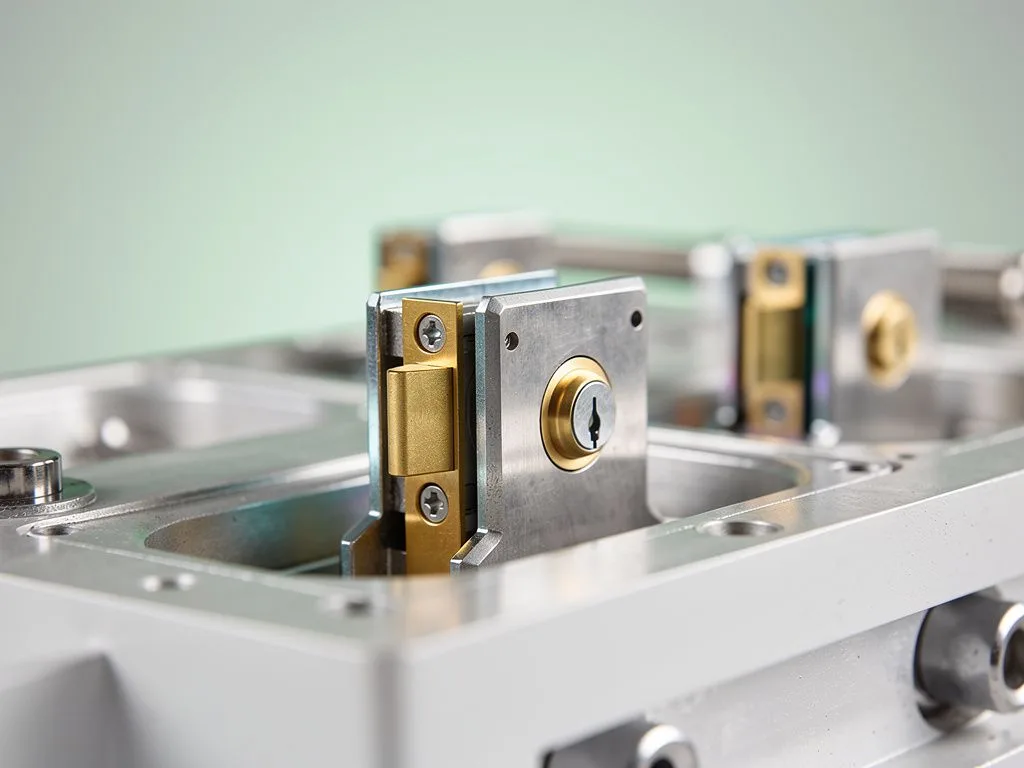
Common Durability Test Items for Travel Locks

  • Lock Body Tensile Strength and Shackle Strength

    A tensile testing machine applies vertical and lateral forces to the shackle to record failure values, covering different specifications such as short shackles, long shackles, cable locks, and solid-body locks.

  • Repeated Open/Close Cycle Testing

    A robotic arm simulates daily locking and unlocking. After accumulating cycles, the mechanism operation, dial reset, and keyhole wear are inspected.

  • Salt Spray Corrosion Testing

    Continuous salt spray in a salt spray chamber simulates marine transport or humid environments to check the degree of rust on the lock body and shackle surfaces.

  • Drop and Impact Testing

    Free-fall from a set height onto a hard surface or concrete simulates handling drops to check the structural and mechanical integrity of the lock body.

  • Vibration Simulation Testing

    A vibration table simulates random vibration spectra from road, sea, and air transport to check for loose screws, mechanism displacement, and cosmetic damage.

  • Temperature and Humidity Cycling Testing

    Alternating between high temperature/high humidity and low temperature/dry conditions simulates cargo hold environments during international transport to check for seal failure and mechanism lubrication breakdown.

Why Salt Spray and Corrosion Testing Is Especially Important for Travel Locks

Travel locks often cross different climate zones with luggage, from dry aircraft cargo holds to high-salt marine environments. If the surface treatment of the lock body and shackle is insufficient, white or red rust can appear quickly. The standard salt spray test method involves continuous spraying of a sodium chloride solution in a test chamber. After a set period, the samples are removed to inspect the corroded surface area and depth, and the results are compared against acceptance criteria to distinguish functional failure from cosmetic failure. For buyers selling to North America, Europe, and coastal markets, salt spray test results directly affect the consumer's first impression upon unboxing and the return/exchange rate. Buyers should confirm that the supplier tests the entire lock rather than individual components, and request clarification on whether the lock can still open and close properly after testing, because a surface without rust but with a jammed mechanism is also considered a failure.

OEM Custom Travel Lock Durability Testing Process

  1. 1

    Design review to confirm specifications

    Buyers and suppliers reach consensus on lock body material, shackle specifications, surface treatment, and intended use scenarios, and select corresponding test items accordingly.

  2. 2

    Prototype validation and testing execution

    Durability testing is performed on actual samples, and results determine whether to proceed to mass production. When custom specifications deviate from existing product lines, test items need to be recombined.

  3. 3

    Contractually define responsibility allocation

    Clearly define testing responsibility allocation, retest timing, and procedures for handling failures in the contract to avoid return and exchange disputes after mass production.

tsa sourcing scene 2

How Drop, Vibration, and Temperature/Humidity Tests Correspond to Real Transport Scenarios

Drop testing simulates luggage falling off the end of a conveyor belt or being thrown. Vibration testing simulates random vibrations from road transport trucks, sea freight containers, and air cargo holds. Temperature and humidity cycling simulates temperature and humidity changes in cargo holds during international transport. The common point of these three tests is that they convert unpredictable random stresses during transport into repeatable experimental conditions, allowing buyers to predict before shipment whether the lock body will experience structural loosening, seal failure, or mechanism jamming within the warranty period. For buyers requiring long-distance sea or air freight to overseas warehouses, the combination of these three tests reflects real risks better than any single test. If a supplier only provides test data for one of these items, buyers should request the remaining tests be completed, or clearly define responsibility for untested items in the contract.

Allocating Durability Testing Responsibilities for OEM Custom Travel Locks

For OEM custom travel locks, durability testing responsibilities are typically defined during the design review and prototype validation stages, with the buyer and supplier jointly confirming the test items and acceptance criteria. During the DFM design review stage, both parties should first reach an agreement on the lock body material, shackle specifications, surface finish, and intended usage scenarios, and then select the corresponding test items accordingly. In the prototype validation stage, tests are performed on actual samples, and the results determine whether to proceed to mass production. Buyers should note that if custom specifications deviate from the supplier's existing product line, the test items may need to be recombined rather than relying on existing reports. It is recommended to clearly define in the contract the allocation of testing responsibilities, the timing for retesting, and the procedures to follow if tests are not passed, to avoid disputes over returns or exchanges arising from insufficient testing after mass production has begun.

FAQ

What items are included in travel lock durability testing?

Travel lock durability testing covers lock body tensile strength, repeated shackle open/close cycles, password or key mechanism lifespan, salt spray corrosion, drop impact, vibration simulation, and temperature/humidity cycling, aiming to replicate real-world stresses during baggage handling.

Why is salt spray corrosion testing especially important for travel locks?

Travel locks often accompany luggage across different climate zones, from dry aircraft cabins to high-salt marine environments. Inadequate surface treatment can quickly lead to white or red rust. Salt spray test results directly affect unboxing impressions and return rates among consumers in coastal markets.

How should the number of repeated open/close cycles be set reasonably?

The number of cycles should sufficiently cover one to two years of daily use frequency, and after testing, check whether the dial returns accurately and whether the numbers are worn. Buyers should require suppliers to explain the basis for setting cycle counts and acceptance criteria.

How are durability testing responsibilities allocated for OEM custom travel locks?

Testing responsibilities typically fall into two phases: design review and prototype validation, where buyers and suppliers jointly confirm test items and acceptance criteria. It is recommended that contracts clearly define testing responsibility allocation, retest timing, and procedures for handling failures.

What should be done if a supplier only provides single-direction tensile test data?

For buyers who frequently ship hard-shell luggage, lateral tensile force is more representative of real-world scenarios than vertical force, because the shackle experiences shear stress when luggage is thrown. If a supplier only provides single-direction data, buyers should request additional testing or an explanation.

Need a durability test plan tailored to your market and usage scenarios?

Please provide your target sales market, intended usage scenarios, and customization requirements. We will confirm the applicable durability test items and responsibility allocation based on your actual specifications.