jintay-locks tsa-sourcing-1

What are the version differences in the TSA master key system?

The TSA master key system mainly comes in two structures: 7-pin and 3-pin. Since 1991, most TSA-approved padlocks have adopted the 7-pin design for improved tamper resistance, but some lightweight luggage locks still use the 3-pin design. Buyers should evaluate version differences based on three indicators: the number of pins in the cylinder, the keyway geometry, and customs compatibility—not just the appearance.

Key Takeaways

  • 7-pin is the current mainstream

    Since 1991, most TSA-approved padlocks use a 7-pin design, with seven pin stacks in the cylinder, offering better anti-pick and anti-duplication capabilities than the earlier 3-pin version.

  • 3-pin is an older structure

    The 3-pin structure appears in older luggage locks made before 1991 or some low-end accessories, with only three pin stacks in the cylinder, weaker resistance to forced entry, and is being phased out at some airports.

  • Three indicators to determine version

    Buyers should look at three indicators: the number of pins in the cylinder, the keyway geometry, and customs compatibility, rather than just appearance, to confirm whether it is part of the current TSA universal master key system.

  • OEM customization is limited

    The 7-pin cylinder geometry is uniformly regulated by TSA and cannot be changed. Customization is limited to the lock body appearance, color, tags, packaging, and branding, with electronic modules added in parallel.

Why does the TSA master key system have both 7-pin and 3-pin structures?

The 7-pin structure is the mainstream design for current TSA-approved padlocks. The cylinder contains seven sets of pins and corresponding springs, and the customs master key must align all seven pin heights to open the lock, offering significantly better tamper resistance and key duplication protection than earlier versions. The 3-pin structure appears in pre-1991 old-style luggage locks or some low-end travel accessories. The cylinder has only three sets of pins, and the keyway geometry is simpler, making it cheaper to mass-produce but weaker against forced entry. If your product line covers US and European channels, you should first confirm whether customs in your target markets still accept 3-pin locks for inspection, as some airport security checkpoints are gradually phasing out low-pin-count locks. For OEM orders, the mold development cost for 7-pin is higher, but the brand positioning and retail price typically increase accordingly, so both factors should be evaluated together.

Six key points buyers should verify when assessing TSA master key version differences

  • Number of pins in the cylinder

    Confirm whether it is 7-pin or 3-pin, as this affects tamper resistance and customs compatibility, and is the primary indicator for version identification.

  • Keyway geometry

    The 7-pin keyway has a deeper profile and more complex tooth shape; the 3-pin keyway has a shallower profile and simplified tooth shape, which can be roughly distinguished by eye.

  • Customs compatibility

    Ask the supplier whether the cylinder is still registered in the current TSA universal master key system to avoid purchasing outdated versions that have been phased out.

  • OEM customization feasibility

    The 7-pin structure allows for custom colors and tags, but the cylinder geometry is usually not modifiable; the 3-pin structure offers more room for modification.

  • Sampling and testing lead time

    The mold development period for 7-pin cylinders is longer, so more time should be reserved from DFM to sample verification, depending on the actual specifications.

  • Cost and price positioning

    The 7-pin cylinder has a higher unit price, suitable for mid-to-high-end luggage brands; the 3-pin is suitable for promotional sets or one-time event giveaways.

What are the substantive differences in TSA master key specifications before and after 1991?

1991 marks the official establishment of the TSA system. Before that, the luggage lock specifications used by US customs were relatively inconsistent, and the cylinder structures were not unified. After 1991, the TSA promoted 7-pin standardization, allowing customs worldwide to open passengers' luggage with the same master key for inspection without damaging the lock body. The substantive differences are reflected in three aspects: first, the number of pins in the cylinder increased from 3-pin to 7-pin, and the key tooth depth increased; second, the keyway cross-section geometry was redefined, so old keys cannot fit into new cylinders and vice versa; third, the lock body appearance marking requirements were unified, and the TSA certification mark must be visible. If buyers still have old pre-1991 inventory, they should assess whether it can still pass through current airport security, as some inspection units no longer issue corresponding master keys. For new procurement, the cylinder specification should directly target the post-1991 7-pin standard to avoid being phased out of the market in the future.

tsa sourcing scene 1

How does the keyway geometry of a 7-pin cylinder affect OEM customization?

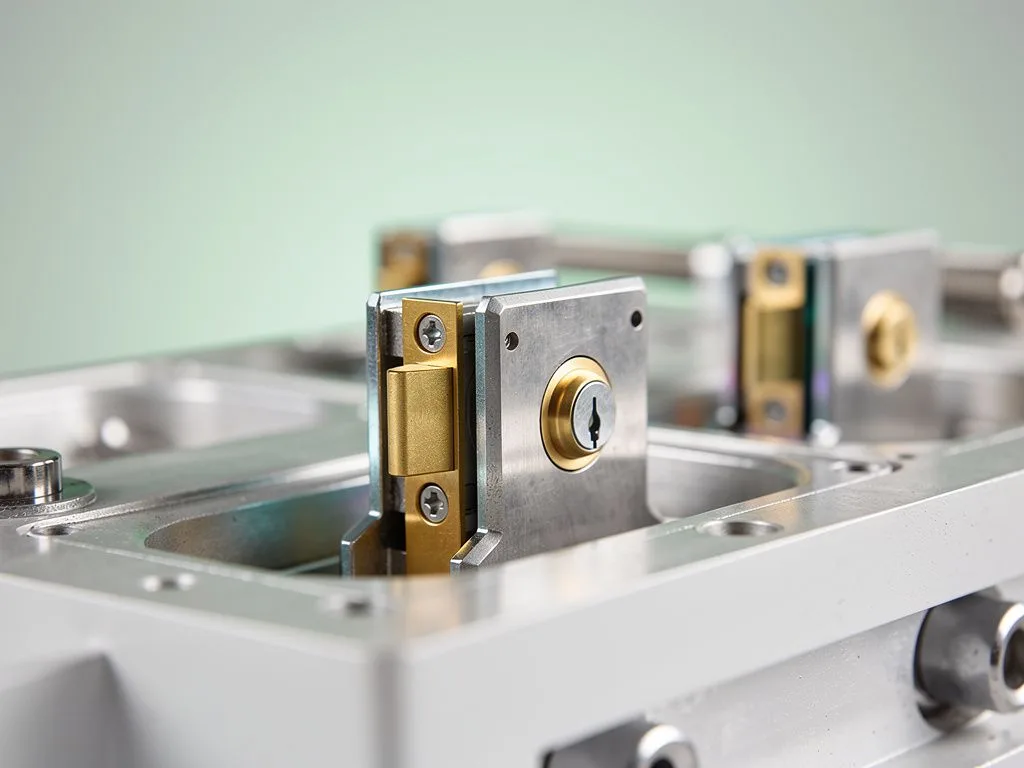
The keyway geometry of a 7-pin cylinder is uniformly regulated by the TSA, and OEM manufacturers cannot alter the pin depth or the pin alignment logic, otherwise the customs master key will not be able to open the lock. What buyers can customize is the lock body appearance, color, hang tag, packaging, and brand marking, which is also the main flexibility in most TSA-certified padlock OEM orders. If the brand side wishes to customize further, such as adding NFC unlocking or Bluetooth modules, it needs to be integrated with an IoT smart lock platform, in which case the cylinder geometry must still maintain the 7-pin standard, and the electronic module is added in parallel. During the DFM design review stage, the space for the electronic module and the battery compartment location should be confirmed first to avoid compromising the structural strength of the lock body. During prototype verification, it is recommended to test both the mechanical key and electronic unlocking paths to ensure the customs master key still functions properly.
When sourcing TSA-certified padlocks, how should buyers confirm the version with suppliers?

When requesting quotes from suppliers, buyers should directly ask four questions to clarify the version: First, is the cylinder 7-pin or 3-pin? Second, does the keyway geometry correspond to the current TSA universal master key? Third, is the TSA certification mark indicated on the lock body? Fourth, does the OEM customization scope include electronic module integration? These four questions can quickly distinguish a supplier's familiarity with the TSA system and also avoid purchasing products that look similar but do not meet specifications. If a supplier cannot clearly answer the cylinder pin count and keyway geometry, it usually means their TSA certification process has not actually been implemented, and they only mark the appearance. For the brand side, this type of risk will only be exposed during customs inspection, at which point the entire batch of goods may face return or destruction. It is recommended to require the supplier to provide a cylinder cross-section drawing and key sample comparison during the sampling stage as a basis for acceptance.

tsa sourcing scene 2

What impact do TSA master key version differences have on end consumers at retail?

For end consumers, the most direct impact of TSA master key version differences is whether the lock body will be damaged during customs inspection. A 7-pin cylinder allows customs to open the lock with the master key and return it intact after inspection, while older 3-pin locks may be cut or destroyed at some airports because security agencies no longer issue corresponding master keys. If consumers are still using luggage locks purchased before 1991, they should consider whether to replace them with the current 7-pin version before traveling to avoid lock body damage during customs clearance. For retail brands, the product description page should clearly indicate the cylinder pin count and the corresponding TSA specification year so that consumers understand the difference. This is also a detail often overlooked in OEM orders: the brand's product responsibility lies not only in manufacturing but also in compliance instructions for end-use.

When integrating IoT smart locks, how do TSA master key versions coexist with electronic modules?

If an IoT smart lock has both a TSA mechanical cylinder and electronic unlocking functions, the mechanical cylinder must maintain the current 7-pin standard, and the electronic module is added in parallel. Common integration methods include Bluetooth, NFC, RFID, and cloud connectivity. Buyers should evaluate three coexistence issues: First, whether the electronic module will interfere with the keyway geometry of the mechanical cylinder, preventing the customs master key from being inserted; second, whether the battery compartment location affects the structural strength of the lock body; third, whether the mechanical key can still serve as a backup path when electronic unlocking fails. During the DFM design review stage, these three items should be included in the checklist, and during prototype verification, the smoothness of inserting and turning the customs master key should be tested. For application scenarios, smart locks for gyms, schools, public space lockers, and industrial cabinets mostly retain the TSA mechanical cylinder as an emergency unlocking method, while the electronic module handles daily identity verification and usage records.

FAQ

What are the version differences in the TSA master key system?

The TSA master key system mainly has two structures: 7-pin and 3-pin. Since 1991, most TSA-approved padlocks use the 7-pin design for better anti-pick performance, but some lightweight luggage locks still use 3-pin. Buyers should look at the number of pins in the cylinder, keyway geometry, and customs compatibility to determine the version difference.

What is the difference between 7-pin and 3-pin structures?

A 7-pin cylinder contains seven pin stacks with corresponding springs, and the customs master key must align all seven heights simultaneously to open, offering significantly better anti-pick and anti-duplication capabilities than earlier versions. The 3-pin structure has only three pin stacks, with simpler keyway geometry, lower mass production cost but weaker resistance to forced entry, and some airport security checkpoints are gradually phasing out low-pin-count locks.

What are the substantive differences in TSA master key specifications before and after 1991?

1991 is the time when the TSA system was formally established, and after that, TSA promoted 7-pin standardization. The substantive differences are reflected in the number of pins in the cylinder increasing from 3-pin to 7-pin, the keyway cross-section geometry being redefined, and the lock body must visibly display the TSA certification mark. Old keys cannot be inserted into new cylinders.

How to confirm the TSA lock version with suppliers?

Buyers should directly ask four questions: Is the cylinder 7-pin or 3-pin? Does the keyway geometry correspond to the current TSA universal master key? Does the lock body display the TSA certification mark? Does the OEM customization scope include electronic module integration? If the supplier cannot answer clearly, it means their TSA certification process may not have been actually implemented.

What impact do TSA master key version differences have on consumers?

A 7-pin cylinder allows customs to open with the master key for inspection and return the lock intact, while older 3-pin locks may be cut or broken at some airports because security agencies no longer issue corresponding master keys. Consumers who still use luggage locks purchased before 1991 should consider replacing them with the current 7-pin version before traveling.

Need an OEM quote or version confirmation for TSA-certified padlocks?

Please provide your target market, cylinder pin count requirements, and estimated order volume. We will confirm prototype lead time and production scheduling based on the actual specifications.