What is the difference between shared and assigned locker locks?
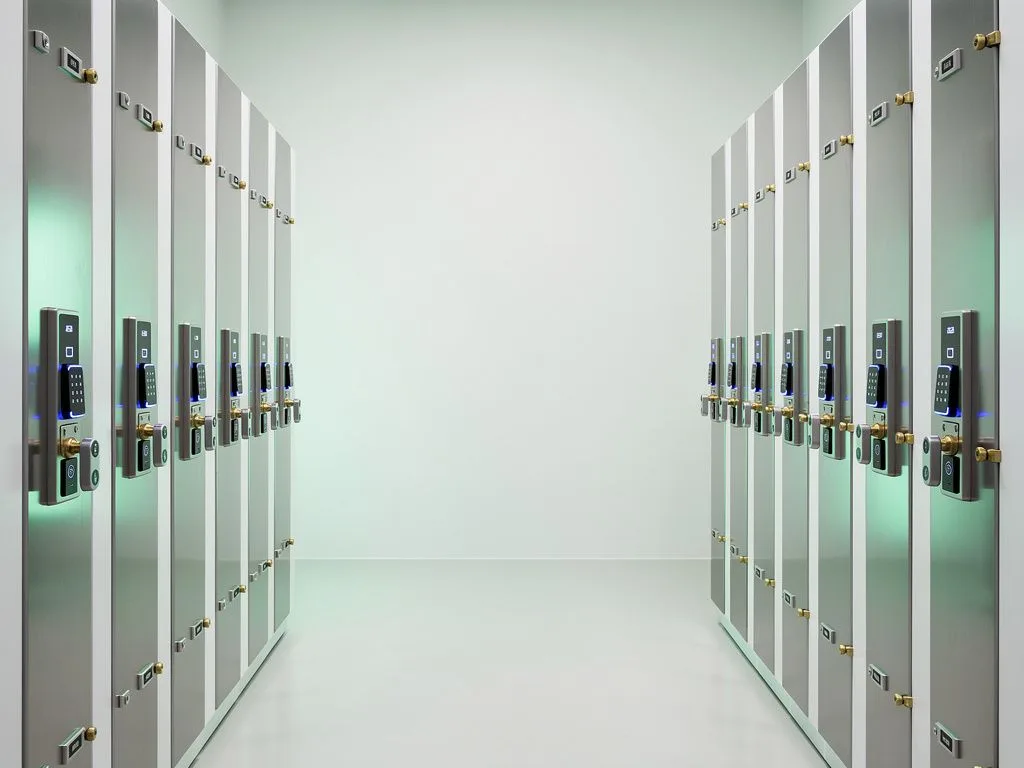
The difference between shared and assigned locker locks lies in "who is the long-term user and who is responsible for managing access." Shared locks serve short-term, non-fixed users, such as one-time gym visitors or students changing for physical education classes. The lock itself is not tied to an identity; users can set their own password or bring their own lock. Assigned locks are tied to a single user or a single rental period, such as long-term employee lockers or monthly student lockers, where the management party issues, resets, or reclaims access. Choosing the wrong type can directly lead to operational issues such as accumulating key replacement costs, password leaks that are difficult to trace, or temporary lockers being unavailable. Therefore, before purchasing, it is essential to clarify the frequency of user turnover in the facility and the allocation of management responsibilities.
Key Takeaways
Core Differences Between Shared and Assigned Locks
The difference lies in who is the long-term user and who manages permissions. Shared locks serve short-term, non-fixed users, while assigned locks are tied to a single user or lease period, with permissions issued by the administrator.
Choosing the Wrong Type Causes Operational Issues
Choosing the wrong type can lead to operational problems such as accumulating key replacement costs, untraceable password leaks, and temporary lockers being unavailable. Before purchasing, clarify user rotation frequency and management responsibility.
Cost Comparison Should Consider Annual Holding Cost
Cost differences lie in the price per lock and overall lifecycle management costs. The correct comparison method is to multiply the number of permission changes by the cost per change, sum it, and divide by the years of use.
Mixed Configurations Require Unified Management Processes
Shared locks can be used in public areas, and assigned locks in member or employee areas, but the key is whether key and password management processes can be unified to avoid administrators having to remember two sets of operating logic.
What scenarios are shared locker locks suitable for, and how do users open and close them?
Shared locker locks are suitable for scenarios with rapid user turnover where identity cannot be pre-registered, such as one-time gym visitors, swimming pool guests, temporary lockers for students changing for PE classes, or shift-based employee storage in retail stores. These locks are characterized by "not binding identity, only binding the current use." Common practices include users setting a 3- to 4-digit password themselves, with the next user resetting it after use, or using coin-operated mechanical locks with a personal padlock. For buyers, the key evaluation points for shared locks are: whether the reset mechanism is intuitive enough (so non-technical users can operate it), whether the mechanical structure can withstand frequent opening and closing (potentially dozens of times per day), and whether an administrator key is needed for emergency opening. Before purchasing, it is recommended to physically test the reset process once to confirm it can be done without tools; otherwise, there will be a large number of "forgot to reset" complaints on site. Jintai Industrial's password lock and key lock product lines can address such applications, supporting OEM customization and brand collaboration. Actual specifications and reset methods are confirmed based on the project.
How are access rights for assigned locker locks issued and reclaimed?
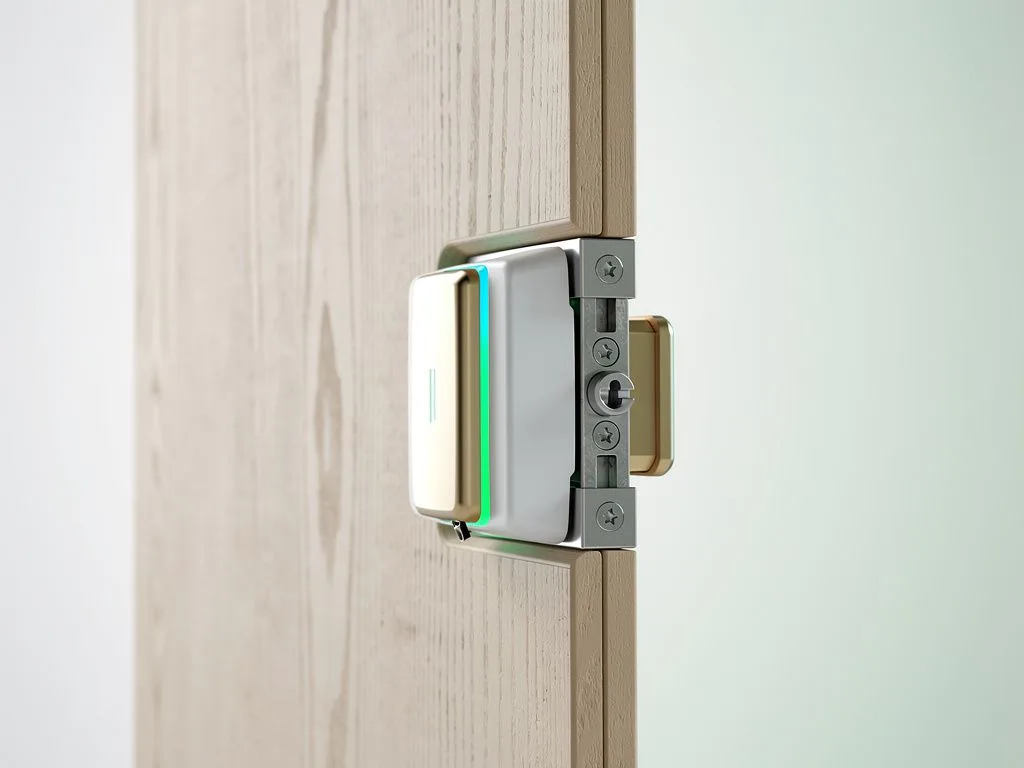
Access rights for assigned locker locks are uniformly issued by the management party, commonly seen in long-term employee lockers, monthly membership fitness lockers, fixed school classes or dormitory beds, and rental storage lockers. The core requirement for this type of lock is "traceable, reclaimable, and changeable." Therefore, while mechanical key locks have the lowest initial cost, once a key is lost, the lock or the entire lock cylinder must be replaced, leading to high subsequent maintenance costs. Electronic password locks allow administrators to reset passwords without touching the hardware when a password is lost. Higher-end IoT smart locks can issue and revoke access via Bluetooth, NFC, RFID, or a cloud backend, allowing remote deactivation when a single user leaves without needing to visit the site to change the lock. For buyers, the evaluation focus for assigned locks is: whether access changes require on-site operation at each locker, whether batch processing is possible (e.g., revoking access for an entire floor of students graduating at once), and whether access records are traceable (who opened which locker and when). Before purchasing, it is recommended to first estimate "how many access changes are expected within a year," as this number will directly determine whether to choose mechanical, electronic password, or IoT-connected solutions.
Six key differences to review before purchasing
User identity binding
Shared locks do not bind identity and can be used by anyone; assigned locks are tied to a single user or rental period, with access controlled by the management party.
Frequency of access changes
Shared locks rarely require changes; assigned locks require regular issuance, revocation, or resetting of access based on personnel turnover.
Cost of handling loss or leakage
Shared locks affect only a single use and can be reset; assigned locks require considering the overall cost of replacing the lock, lock cylinder, or remote revocation.
Management backend requirements
Shared locks typically only require on-site operation; assigned locks, if using electronic or IoT solutions, require evaluating whether a cloud backend and staff training are needed.
Hardware durability requirements
Shared locks have high daily opening and closing frequency, requiring robust mechanical structures; assigned locks have lower usage frequency, but the lifespan of electronic components must be considered.
Applicable scenario comparison
Shared locks are suitable for one-time gym visitors and school PE classes; assigned locks are suitable for long-term employee lockers, monthly members, and dormitory beds.

The decision to mix shared-use and assigned-use locks is not about the hardware itself, but about whether the key and code management process can be unified. If shared-use and assigned-use locks are supplied by different manufacturers, administrators often have to remember two sets of operating logic, which increases the chance of on-site errors. For buyers, the key evaluation points for a mixed procurement are: whether a consistent appearance is required (so users cannot tell from the outside which lockers are shared and which are assigned, preventing misuse), whether a single back-end system is needed to manage both lock types, and whether spare parts and maintenance can be handled through a single window. Jintai Industrial's travel security hardware and IoT smart lock platform covers multiple technologies including combination locks, key locks, Bluetooth, NFC, and RFID, and can be configured in a mixed setup according to site requirements. The actual configuration depends on project evaluation.
Should you choose a mechanical lock, an electronic lock, or an IoT-connected lock?
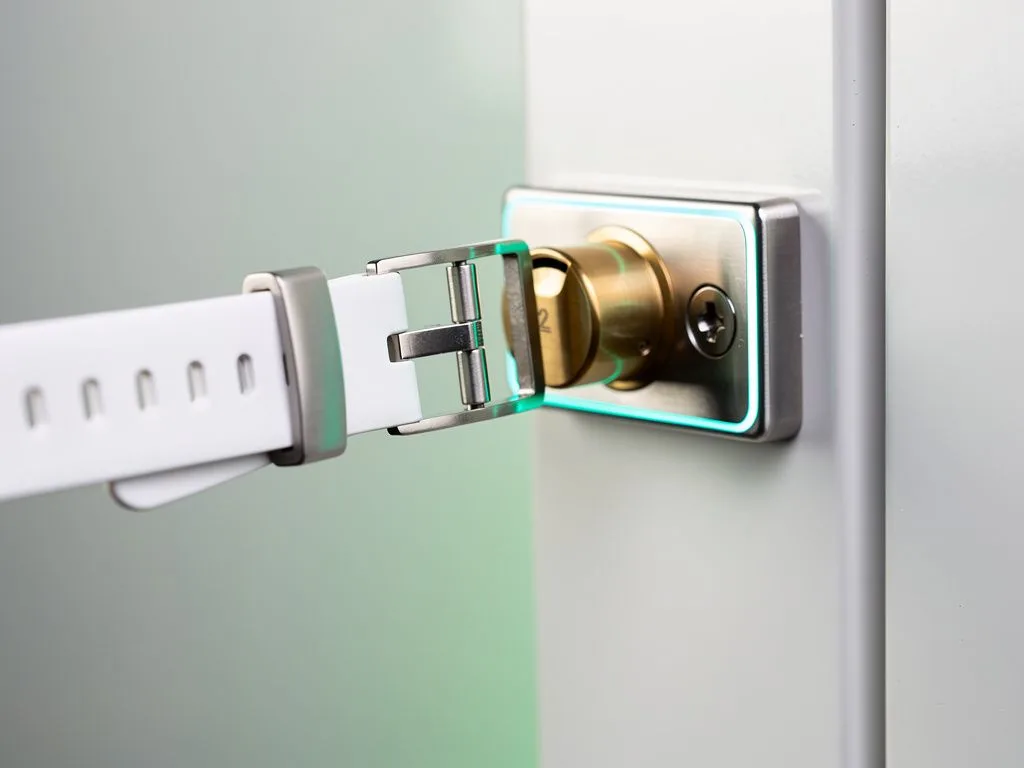
Choosing between a mechanical lock, an electronic lock, or an IoT-connected lock depends on where the management responsibility lies and how frequently changes are made. Mechanical locks (including key locks and mechanical combination locks) have the lowest cost, require no power, and have a low failure rate, but a lost key or forgotten code means destructive opening, after which the lock or lock core must be replaced. They are suitable for scenarios with fixed users and very infrequent changes, such as long-term employee lockers in a small office with a stable headcount. Electronic combination locks can be reset by an administrator and sit between mechanical locks and IoT locks, making them suitable for medium-sized sites such as school class lockers or monthly-rental student lockers, where permission changes occur about once a quarter. IoT-connected locks (Bluetooth, NFC, RFID, cloud back-end) have the highest cost but allow batch issuance and revocation of permissions and leave open/close records, making them suitable for sites with high personnel turnover, such as chain gyms, multi-branch schools, and co-working spaces. For buyers, the key to selection is not that newer technology is always better, but whether the management process can support the technology. If there is no dedicated staff to operate the back-end, permission changes on IoT locks can become a bottleneck, making an electronic combination lock a more practical choice. Before purchasing, it is recommended to first assess the management manpower available, then decide on the technology level.
OEM/ODM Process
- 1
DFM Design Review
The buyer provides cabinet dimensions, cutout specifications, operating procedures, and estimated annual usage. The supplier evaluates whether existing molds can be reused or new molds are required.
- 2
Mold Development
The buyer confirms mold material, estimated lifespan, and mold ownership. Decisions at this stage affect subsequent mold costs and unit pricing.
- 3
Sampling and Validation
The buyer tests the sample's operating feel, opening/closing smoothness, and password setting process to ensure it meets end-user capabilities.
- 4
Testing and Certification
Applicable regulations and certification items are confirmed based on the target market. Specific certification numbers and test data must be issued by certification bodies after submission.
- 5
Mass Production
The buyer confirms lead time, acceptance criteria, packaging, and first-run yield guarantees. Actual timelines depend on project complexity.

What details should you confirm with the supplier before purchasing?
The details to confirm with the supplier before purchasing fall into three categories: hardware specifications, permission management processes, and ongoing maintenance responsibilities. On hardware specifications, confirm the lock body material (zinc alloy, stainless steel, plastic), the applicable cabinet thickness and cutout dimensions, the cycle life test conditions for opening and closing, the waterproof and dustproof rating (if the site is a swimming pool or outdoor), and the operating temperature range. On permission management processes, confirm the number of code digits and combinations, whether a tool is required for resetting, whether a single administrator key is supported for emergency opening, and whether the IoT solution provides a back-end API or can integrate with an existing membership system. On ongoing maintenance responsibilities, confirm the warranty period and coverage (whether electronic components are included), the spare parts supply period (how many years after discontinuation spare parts remain available), and whether training includes an administrator operation course. For buyers, the most commonly overlooked item is spare parts availability after discontinuation. Many inexpensive locks have replacement parts that become unavailable within a year of discontinuation, forcing the entire batch of lockers to be scrapped. Therefore, when requesting a quote, be sure to include the spare parts supply period in the contract. Jintai Industrial's OEM/ODM process covers DFM design review, mold development, prototyping and validation, testing and certification, through to mass production, and can be customized according to the buyer's cabinet specifications and site requirements. The actual certifications applicable to specific product lines and certificate numbers are confirmed on a project basis.
Where do the cost differences between shared-use and assigned-use locks mainly lie?
The cost differences between shared-use and assigned-use locks mainly lie at two levels: the price per lock and the overall lifecycle management cost. You cannot look only at the per-unit quote. In terms of per-lock price, mechanical shared-use locks are the lowest, electronic combination locks are in the middle, and IoT-connected locks are the highest, but the gap narrows with purchase volume and degree of customization. In terms of overall lifecycle cost, shared-use locks have almost no lock replacement cost because users are not fixed, but the mechanical structure may wear out earlier due to frequent opening and closing, so the replacement rate must be considered. Assigned-use locks have a higher unit price, but if the right technology level is chosen, subsequent permission changes can be handled by the administrator without calling a locksmith or replacing the entire lock core each time, which saves money in the long run. For buyers, the correct way to compare costs is to estimate the number of permission changes per year, multiply it by the cost per change, add that to the initial purchase cost, and divide by the estimated service life of the lock to arrive at the annual cost of ownership. This figure often overturns conclusions based on per-unit quotes alone. For example, in a site with high employee turnover, the annual cost of ownership for IoT locks can actually be lower than for mechanical locks. Before purchasing, it is recommended to ask the supplier for an annual cost of ownership comparison sheet for different options, and then make a decision based on that.
How should the OEM/ODM process be arranged from inquiry to mass production?
The OEM/ODM process from inquiry to mass production typically consists of five stages: DFM design review, mold development, prototyping and validation, testing and certification, and mass production. Each stage has decision points that buyers must participate in. During the DFM design review stage, buyers need to provide information such as cabinet dimensions, cutout specifications, user operation flow, and estimated annual usage. Based on this, the supplier evaluates whether existing molds can be reused or new molds are required. The decision at this stage directly affects subsequent mold costs and unit prices. In the mold development stage, buyers need to confirm the mold material, estimated lifespan (usually calculated by the number of mold cycles or annual output), and mold ownership. In the prototyping and validation stage, buyers need to actually test the sample's operating feel, opening and closing smoothness, and whether the password setting process matches the end user's capabilities. In the testing and certification stage, applicable regulations and certification items need to be confirmed based on the target market, but specific certification numbers and test data must be issued by certification bodies after actual submission, and cannot be verbally claimed by the supplier. In the mass production stage, buyers need to confirm delivery time, acceptance criteria, packaging methods, and the yield guarantee for the first production batch. Jintai Industrial's OEM/ODM process covers all five stages mentioned above. The actual timeline and costs are confirmed based on specifications and project complexity. It is recommended that buyers provide estimated annual usage and target market when requesting a quote, so the supplier can evaluate the most suitable configuration.
FAQ
What is the difference between shared and assigned locker locks?
The difference lies in who is the long-term user and who manages permissions. Shared locks serve short-term, non-fixed users who set their own passwords or bring their own locks; assigned locks are tied to a single user or lease period, with permissions issued, reset, or revoked by the administrator.
What scenarios are shared locker locks suitable for?
Shared locker locks are suitable for scenarios with rapid user rotation and no pre-registration of identity, such as one-time gym visitors, swimming pool guests, temporary lockers during school PE class changes, and shift-based storage in retail stores. The lock is not tied to identity, only to the current use.
How are permissions for assigned locker locks issued and revoked?
Permissions are uniformly issued by the administrator, commonly used for employee long-term lockers, monthly membership lockers, fixed classes, or dormitory beds. Mechanical key locks require rekeying if lost, electronic password locks can be reset by the administrator, and IoT smart locks allow remote issuance and revocation of permissions.
Can shared and assigned locks be mixed in the same facility?
Yes, many facilities already use a mix. A typical configuration is shared locks in public areas and assigned locks in member or employee areas. The key is whether key and password management processes can be unified to avoid administrators having to remember two sets of operating logic.
Should I choose mechanical, electronic, or IoT connected locks?
It depends on where management responsibility lies and how frequently changes occur. Mechanical locks have the lowest cost but lost keys require destructive opening; electronic password locks can be reset by the administrator; IoT locks have the highest cost but allow batch issuance/revocation of permissions and leave an audit trail.
Need a hybrid solution of shared and assigned locks configured for your facility?
Please provide the facility type, number of cabinets, estimated user turnover frequency, and target market. We will evaluate suitable lock configurations and OEM/ODM timelines based on your specifications.