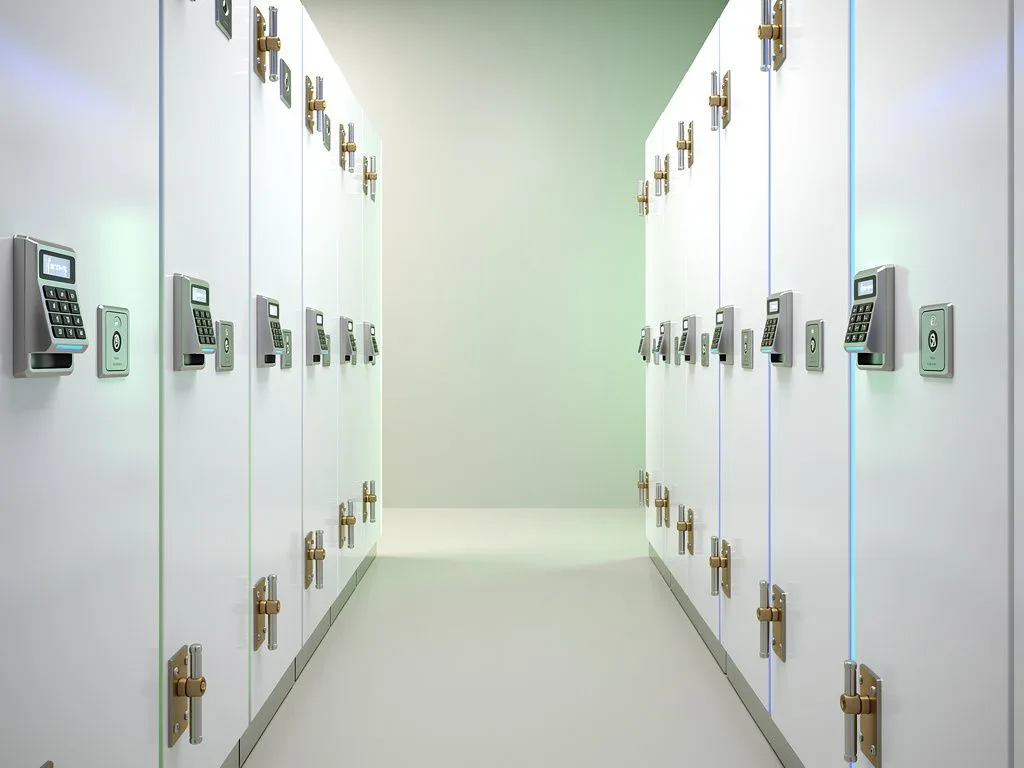
How should master key management and permission tiers be designed for locker locks?
Master key management and permission tiers for locker locks refer to how a facility manager, facing anywhere from dozens to thousands of lockers, uses one key system or one platform to define three permission levels—management, staff, and user—and maintains a controllable reissue and retrieval process when keys are lost, personnel change, or lockers are added. Buyers should first answer three questions when selecting a system: who can open all lockers, who can open a subset, and who can only open their own assigned locker. They then need to decide between a physical master key, a mechanical master key system, or an electronic master key platform. The logistics costs, rekey speed, and audit capabilities of these three routes differ significantly, so the decision must be validated against the actual number of lockers and usage frequency, not just the price of a single lock.
Key Takeaways
Hierarchical access control matters more than lock price alone
The real cost for management is logistics. Over five years, the cost of replacing keys and locks for a 200-compartment cabinet system is often several times the initial purchase price. The boundaries of the three access levels must be documented in writing before purchase.
Each of the three master key routes suits different settings
Physical master keys have the lowest cost but high loss risk. Mechanical master key systems suit medium-sized facilities. Electronic master key platforms suit schools and chain gyms with over a hundred compartments and frequent staff turnover.
Replacement procedures must be written into an SOP before purchase
When a key is lost, it must be confirmed whether access is immediately revoked, how many days replacement takes, and whether old keys are simultaneously deactivated. Electronic platforms allow backend deactivation of accounts, making replacement fastest.
Audit trails and scalability are hard requirements for public spaces
Gyms and schools often face theft disputes. Electronic platforms can record unlock events and generate reports. Adding compartments and adjusting zones must be verified for flexibility without requiring a full lock replacement.
Why is permission tiering for locker locks more important than the price of a single lock?
Permission tiering for locker locks is more important than the price of a single lock because the real cost a facility manager bears is logistics, not hardware. For a gym with 200 lockers using the same keyed locks, the cumulative cost of rekeying, replacing locks, and handling lost keys over five years is often several times the initial purchase amount. Schools and public spaces have even more lockers and higher personnel turnover, making the logistics burden even heavier. Buyers should focus their evaluation on whether the boundaries between the three permission tiers are clearly defined: management needs to open all lockers for emergencies and routine inspections, staff typically only needs to open specific sections, and users only access their own locker. When these three boundaries are documented in writing before purchase, the reissue and retrieval process has a clear basis, regardless of whether the physical, mechanical, or electronic master key route is chosen. If permission tiering is not done properly, even a cheap lock will spiral out of control after the first year of personnel changes.
Six evaluation criteria for master key management and permission tiering
Definition of three-tier permission boundaries
The range of lockers that management, staff, and user tiers can each open must be documented in writing before purchase to avoid future disputes.
Choice of master key type
The three routes—physical master key, mechanical master key system, and electronic master key platform—differ greatly in logistics cost and reissue speed.
Key reissue and retrieval process
Whether the standard operating procedure for issuing new keys, retrieving old keys, and deactivating old permissions is clear when keys are lost or employees leave.
Number of lockers and usage frequency
The actual number of lockers and the frequency of user turnover determine whether an electronic master key system is worth adopting.
Audit and event traceability
Whether the system can record who opened which locker and when, and whether records can be reviewed in the event of disputes or theft.
Scalability and locker change flexibility
Whether the master key system allows adding lockers, adjusting sections, or merging zones without a full lock replacement.
How to choose among a physical master key, a mechanical master key system, and an electronic master key platform?
The choice among a physical master key, a mechanical master key system, and an electronic master key platform should be based primarily on the number of lockers and the frequency of personnel turnover. A physical master key is a single key held by management that opens all lockers; its advantage is the lowest cost and no need for power, but its disadvantage is that if the key is lost, all locks must be replaced, creating the highest logistics risk. A mechanical master key system uses a key structure with different levels, allowing one master key to open all lockers in a specific section; the rekey cost is comparable to that of a single lock, making it suitable for medium-sized facilities. An electronic master key platform uses Bluetooth, NFC, RFID, or cloud connectivity to record every unlocking event, making it suitable for schools and chain gyms with over a hundred lockers and frequent personnel rotation. None of the three routes is inherently superior, but buyers must confirm that the chosen route matches their own logistics capabilities; otherwise, problems such as delayed rekeying or permission leakage will emerge within the first year of implementation.

How should reissuance procedures be designed to stay under control when keys are lost or staff change?
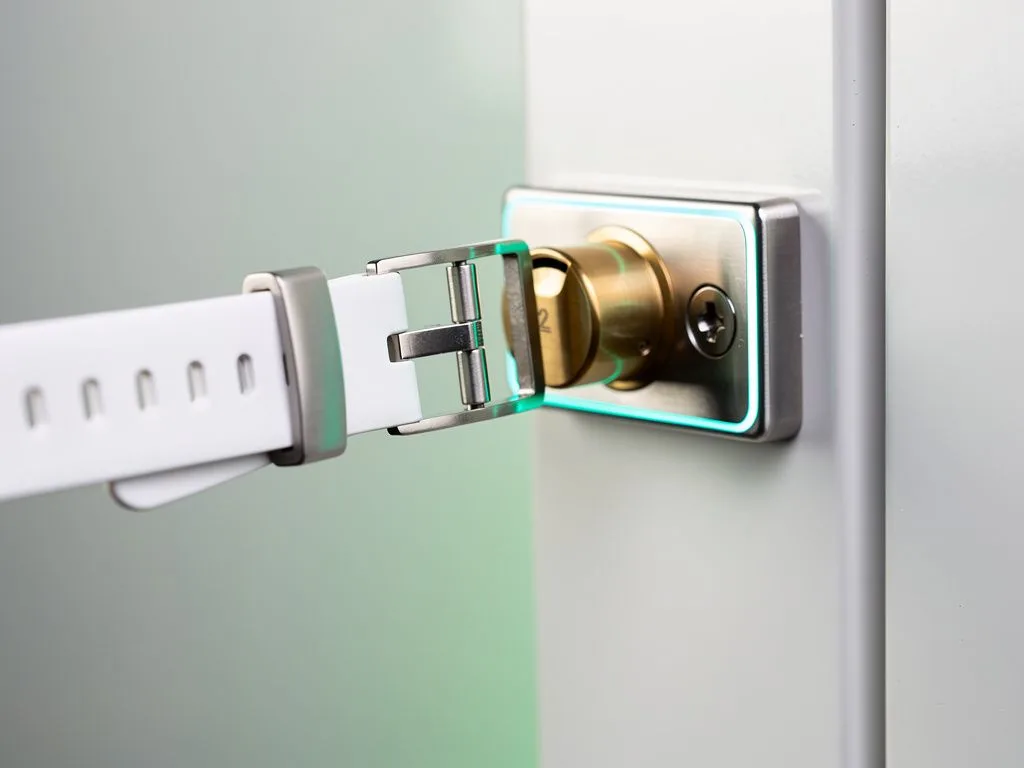
Reissuance procedures for lost keys and staff changes must be written into standard operating procedures before purchase, otherwise the first incident will leave management scrambling. Buyers should confirm three things in advance: whether the user who lost the key immediately loses unlocking rights, how many days it takes to reissue a new key, and whether the old key's permissions are simultaneously deactivated. With a physical master key route, a single user key loss usually only requires replacing that compartment's lock cylinder, but if a management-level master key is lost, all locks must be changed. With a mechanical master key system, the cost of replacing a key is comparable to that of a single lock, but old keys still need to be collected one by one. An electronic master key platform can directly deactivate the card or account in the backend, making reissuance the fastest. Schools and public spaces, where users are mostly short-term, clearly benefit from the electronic route in reissuance efficiency, but the manpower costs of power maintenance and backend management must be assessed.
Why is audit and event traceability a hard requirement for public spaces?
Audit and event traceability is a hard requirement for public spaces because gyms, schools, and employee lockers frequently involve theft disputes and liability clarification. Without unlock records, management often has no choice but to absorb the losses. Buyers should ask three questions before purchase: whether every unlock can be recorded with time and identity, how long records are retained, and whether management can retrieve records themselves in the event of a dispute. Physical and mechanical master key routes cannot inherently record individual unlock events and rely on surveillance cameras as a supplement. An electronic master key platform can output complete reports through a cloud backend, but buyers must confirm whether data is stored on their own servers or a third-party platform, and the level of data protection compliance. If buyers of public spaces overlook this aspect, they often have to retrofit a system after the first dispute, which ends up costing more.
OEM Custom Master Key System Process
- 1
DFM Design Review
The supplier assesses design feasibility based on the six items provided by the buyer, flagging cost or technical infeasibility.
- 2
Mold Development
Develop corresponding molds based on the DFM assessment results to prepare for sampling.
- 3
Sampling and Validation
Produce samples for the buyer to confirm that functionality and specifications meet requirements.
- 4
Testing and Certification
Samples pass relevant tests and certifications to ensure quality and compliance.
- 5
Mass Production
After validation, enter mass production and deliver the final products.

How can system flexibility be verified when adding cabinets, adjusting sections, or merging zones?
System flexibility for adding cabinets, adjusting sections, and merging zones must be verified with real-world scenarios before purchase, because facility layouts rarely stay unchanged for five years. Buyers should present three test scenarios to suppliers: adding ten cabinets without replacing all locks, downgrading a section from employee level to user level, and merging two zones into a single management area. The physical master key route offers the highest flexibility when adding cabinets, as long as the new cabinets use the same lock cylinder specifications. The flexibility of a mechanical master key system depends on whether the original design reserved hierarchical space; if not, adjusting sections often requires replacing locks in batches. An electronic master key platform can adjust permission settings directly in the backend, offering the highest flexibility, but the complexity of backend operations must be assessed. Schools adjusting class configurations each academic year and gyms adjusting member zones each quarter are real stress tests for flexibility.
What information should buyers prepare for suppliers when OEM-customizing a master key system?
For OEM-customized master key systems, the information buyers prepare determines the time from sampling to mass production. Buyers are advised to organize six items for supplier evaluation: total cabinet count and zone layout drawings, estimated headcount for management and employee levels, distribution targets and rotation frequency for user keys, whether electronic recording is needed, budget range and delivery schedule, and special environmental conditions such as humidity or high temperature. Once these items enter the OEM process, they go through five stages in sequence: DFM design evaluation, mold development, sampling verification, testing and certification, and mass production. Each stage can be delayed by missing information. If buyers prepare all six items for the first meeting, they can typically save two to three rounds of back-and-forth confirmation, and also allow the supplier to flag at the DFM stage which requirements are not feasible in cost or technology, avoiding problems discovered only after mass production.
FAQ
How to choose between physical master keys, mechanical master key systems, and electronic master key platforms?
Base the decision mainly on the number of compartments and staff turnover frequency. Physical master keys have the lowest cost but loss requires full lock replacement. Mechanical master key systems have replacement costs comparable to a single lock, suitable for medium-sized facilities. Electronic master key platforms suit schools and chain gyms with over a hundred compartments and frequent staff turnover, but power supply and backend management manpower must be considered.
How to design a replacement process that stays under control when keys are lost or staff leave?
It must be written into a standard operating procedure before purchase. First confirm whether the loser immediately loses unlocking rights, how many days replacement takes, and whether old keys are simultaneously deactivated. For physical master keys, management keys must be fully replaced. For mechanical master key systems, old keys must be individually collected. Electronic master key platforms allow direct backend deactivation of cards or accounts, making replacement fastest.
Why are audit trails and event traceability hard requirements for public spaces?
Because gyms, schools, and employee lockers often involve theft disputes and liability clarification. Without unlock records, management often has to bear losses. Physical and mechanical master key routes cannot record individual unlock events by nature, relying only on CCTV. Electronic master key platforms can output complete reports via cloud backend, but data storage location and compliance must be confirmed.
How to verify system flexibility when adding compartments or adjusting zones?
Before purchase, propose three test scenarios to the supplier: adding ten compartments without full lock replacement, downgrading a zone from employee level to user level, and merging two zones into a single management zone. Physical master keys offer the highest flexibility for adding compartments. Mechanical master key systems depend on whether the original design reserved hierarchical space. Electronic master key platforms allow direct backend permission adjustments, offering the highest flexibility but backend operation complexity must be assessed.
What information should buyers prepare for suppliers when OEM-customizing master key systems?
Six items are recommended: total compartment count and zone layout, estimated management and employee headcount, user key issuance targets and turnover frequency, whether electronic records are needed, budget range and lead time, and special environmental conditions. Preparing these can save two to three rounds of clarification and allow suppliers to flag cost or technical infeasibility during the DFM stage.
Let Jintai Industrial evaluate your cabinet configuration and access requirements
Please provide the number of cabinets, zoning diagrams, and three-tier access definitions, and we will confirm the feasible solution and delivery schedule based on the actual specifications.