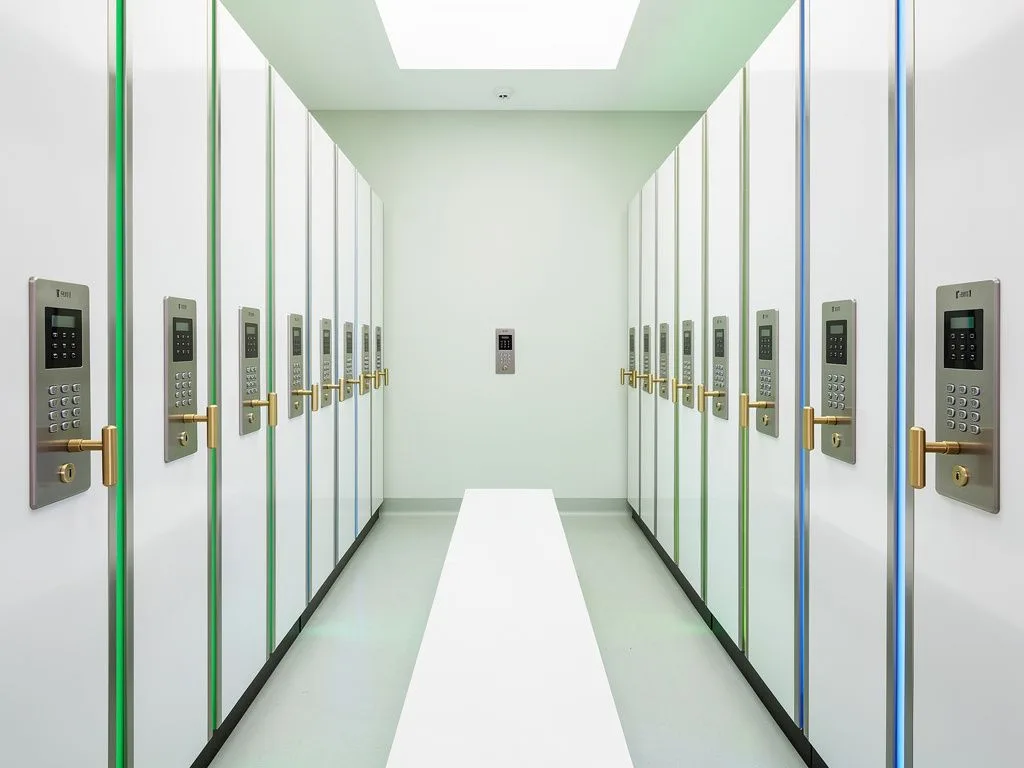
How Should Vandalism Resistance Requirements for Public-Space Locks Be Assessed?
To assess the vandalism resistance requirements for locks in public spaces, you must first define who might attack the lock, what tools they would use, and which components they would target, then match these against lock body grades and test criteria. Gym lockers, school sports equipment cabinets, electrical distribution boxes, and server racks face different threats—shearing, prying, drilling, and chemical corrosion each require corresponding component hardening. If buyers do not inventory their usage scenarios and attack surfaces before requesting quotes, they risk purchasing products that look compliant but lack sufficient vandalism resistance, and the cost of remediation later far exceeds the cost of upfront assessment.
Key Takeaways
Define the attack surface before selecting a lock
Assessing anti-tamper requirements requires first inventorying attack tools, attack components, and acceptable attack time; otherwise, you may purchase products that look compliant but lack sufficient tamper resistance.
Shackle material and heat treatment are critical
Shackle diameter is not necessarily better when larger; material grade and heat treatment conditions determine shear strength. With the same outer diameter, strength can vary several-fold. Request material certificates when requesting quotes.
Anti-pry design at joints is often overlooked
The joint between the lock body and the hasp is the second most attacked location. Conceal attachment points, increase engagement area, and specify the number of attachment points in the DFM stage.
Electronic locks are not inherently more secure
If the mechanical components of an electronic lock lack sufficient strength, attackers can bypass electronic verification and directly destroy the lock body. When selecting, first determine whether you are defending against external intrusion or internal misuse.
How Are Locks in Public Spaces Typically Vandalized?
Vandalism methods against locks in public spaces can be grouped into four categories: cutting (targeting the shackle and hasp), prying (targeting the lock body and fastener joints), drilling or striking (targeting the cylinder and mechanism), and chemical or environmental corrosion (targeting outdoor or humid areas). The most common method for gym lockers is cutting the shackle, because users forget their passwords or keys; for school and public lockers, prying is common because users are familiar with the structure and tools are easily accessible; electrical boxes and server racks require both pry and drill resistance because they involve equipment safety and regulatory compliance. If buyers do not first identify the primary attack surface for their specific scenario, their procurement specifications are likely to be off-target. It is recommended to list three items directly when requesting quotes: the primary attack tool, the acceptable attack duration, and whether traceable evidence of tampering is required. In practice, many procurement projects simply specify "vandal-resistant" without defining the attack tool and time threshold, leading suppliers to ship the lowest-cost configuration, only for the lock to snap within seconds under bolt cutters during acceptance testing. It is also recommended that buyers break down their scenario into three dimensions: indoor/outdoor, attended/unattended, and high-frequency/low-frequency use. Each dimension corresponds to a different threat level and requires different component hardening.
How Should Shackle Material and Diameter Be Selected?
The shackle is the most frequently attacked component of locks in public spaces, and its material and diameter directly determine the cutting resistance level. Common materials include carbon steel, stainless steel, and alloy steel, which differ in hardness, toughness, and corrosion resistance; diameter affects shear strength but also impacts weight and handling feel. Buyers should decide based on the scenario: gym and school lockers are medium-to-high frequency use, so the shackle must balance strength with smooth opening and closing; outdoor or industrial environments prioritize corrosion resistance and fatigue resistance. It is important to note that a larger shackle diameter is not always better—an overly thick shackle makes the lock body heavier and the mechanism more complex, which can increase failure rates in other components. When requesting quotes, buyers should ask suppliers for the material grade and heat treatment conditions rather than just looking at external dimensions, because shackles of the same diameter can differ severalfold in strength without heat treatment. In practice, buyers can require suppliers to provide material test certificates (MTC) and heat treatment records, and perform spot hardness checks during incoming inspection; if this data is unavailable, at minimum require that samples be tested under a hydraulic cutter with a specified tonnage, and use "cannot be cut" or "time to cut" as acceptance criteria. The fit between shackle diameter and cabinet opening is also often overlooked—a shackle that is too thick prevents the cabinet door from closing fully, effectively transferring the vandalism problem to the door panel structure.

Why Is the Joint Between the Lock Body and Fasteners a Common Weak Point?
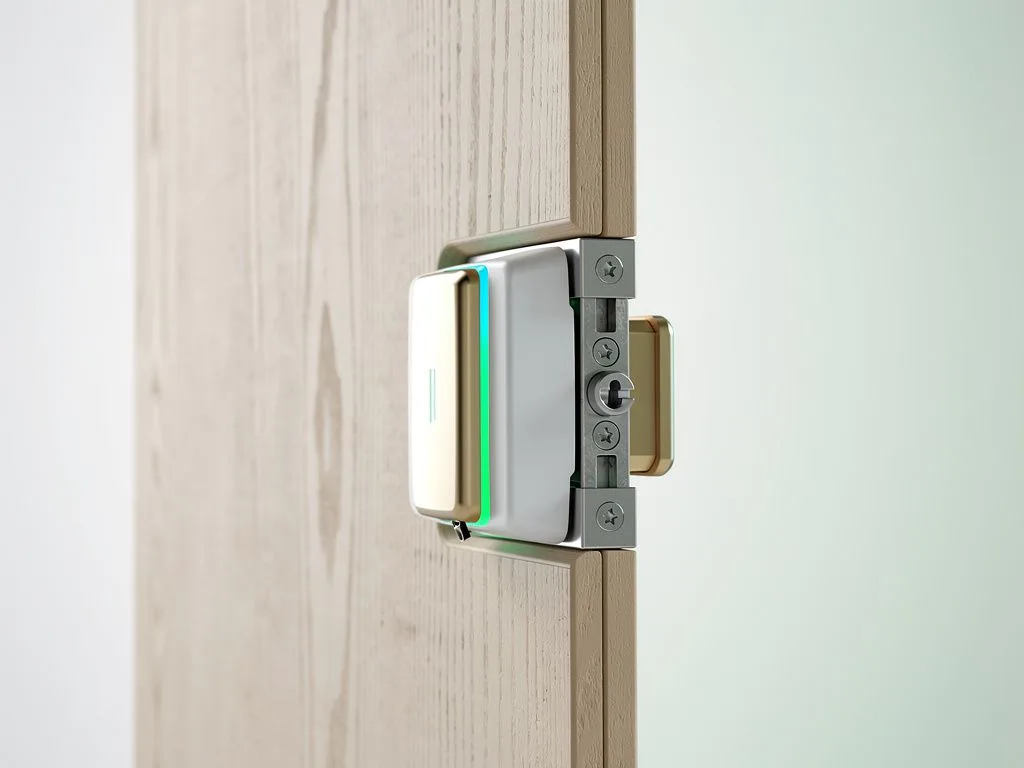
The joint between the lock body and fasteners is the second most commonly attacked location on locks in public spaces, because an attacker does not need to break the shackle or cylinder—prying open the joint surface is enough to open the cabinet. Common weaknesses include exposed screws with standard Phillips or hex heads, single-point engagement that concentrates stress, insufficient hasp thickness, and excessive gaps between the lock body and cabinet. The basic principle of pry-resistant design is to "hide the engagement points, increase the engagement area, and leave no leverage for a pry bar." When inspecting samples, buyers can evaluate from three directions: whether the screws are tamper-resistant (e.g., internal Torx, breakaway heads), whether there are at least two engagement points, and whether the hasp is flush with the cabinet. Many OEM projects initially use single-point engagement to save tooling costs and add reinforcement later, but by then the cabinet hole positions are already fixed, so reinforcement can only be done externally by welding or patching, which affects appearance and warranty. It is recommended to specify the number and location of engagement points in the DFM stage to avoid rework later.
Six Key Points to Check When Sourcing Anti-Tamper Locks
Shackle Material and Heat Treatment
Confirm the material grade and whether heat treatment has been applied, as this directly affects shear and drill resistance. Locks with the same outer diameter can differ by several times in strength.
Lock Body and Fastener Joint Structure
Inspect how the lock body and shackle are joined. Exposed screws or single-point engagement are common weak points; anti-pry designs should conceal the engagement points.
Cylinder and Mechanism Drill Resistance
Ask whether the cylinder is equipped with anti-drill plates or hardened treatment, as drilling is one of the most effective attacks against mechanical locks.
Environmental Tolerance and Corrosion Resistance
For outdoor, poolside, and industrial applications, confirm the salt spray test rating to prevent premature lock failure due to corrosion.
Tamper Evidence and Traceability
Some environments require visible tamper evidence or alarm triggering after forced entry; these requirements must be clearly specified in the specifications.
Certifications and Test Reports Matching Product Lines
Verify that certificates apply to the specific product models and test items, and that the certificates correspond exactly to the products being shipped.
How Do Mechanical and Electronic Locks Differ in Anti-Tamper Logic?
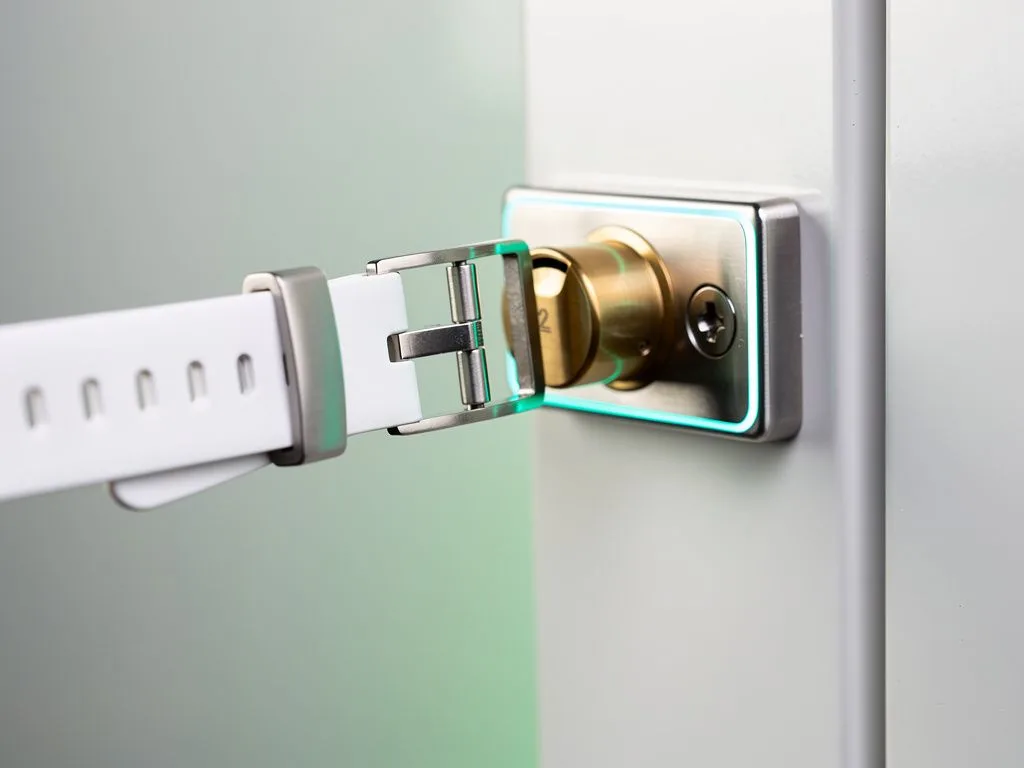
The anti-tamper focus of mechanical locks lies in the physical components—the shackle, lock body, and cylinder. Electronic locks (including keypad, Bluetooth, NFC, and RFID) add an electronic interface, but also introduce a new electronic attack surface. A common misconception among buyers is that "electronic locks are more secure." In reality, if the mechanical components of an electronic lock lack sufficient strength, attackers will bypass the electronic verification and directly break the lock body. Conversely, the advantage of electronic locks is their ability to record open/close logs, remotely revoke credentials, and detect abnormal attempts—capabilities that mechanical locks cannot provide. In public spaces where traceability of who opened a cabinet and when is required, electronic locks are necessary. If the goal is simply to prevent unauthorized access, mechanical locks offer lower cost and maintenance. When selecting, the first question to answer is: are you defending against "external intrusion" or "internal misuse"? The design logic for each is completely different. In practice, many public spaces adopt a hybrid configuration—electronic locks on exterior doors to control access, and mechanical locks on interior lockers to reduce costs. This is a common approach that balances security and budget. Electronic locks also require consideration of battery life, power failure backup, and the tolerance of electronic components in outdoor environments—maintenance burdens that mechanical locks do not have.
OEM Anti-Tamper Design Process
- 1
Submit requirements at the DFM stage
Submit anti-tamper requirements during the design-for-manufacturability stage, evaluating them together with appearance dimensions and mechanical constraints to avoid re-tooling later.
- 2
Mold development and design
The supplier completes the design within the same mold based on anti-tamper requirements. Shackle material, lock body structure, and anti-drill plate configuration are determined at this stage.
- 3
Prototype verification
After prototyping, sample testing is conducted. If you request a thicker shackle or dual attachment points only at this stage, re-tooling is usually required, and the cost is absorbed by the buyer.
- 4
Testing, certification, and mass production
Complete shear, pry, drill, and environmental tests, confirm that the certified model matches the shipped product, and then proceed to mass production.

When Should Anti-Tamper Design Be Introduced in the OEM Process?
Anti-tamper design must be introduced during the DFM (Design for Manufacturability) stage of the OEM/ODM process, not added after prototyping. The reason is that changes to shackle materials, lock body structure, or anti-drill plate configuration all affect molds and tooling. If modifications are made after prototyping, it is equivalent to re-opening the mold, causing cost and lead time to spiral out of control. When starting an OEM project, buyers should prepare three sets of information: target scenarios and attack scenarios, budget range, and estimated annual volume. These three factors directly determine the material grades, mechanism solutions, and test items recommended by the supplier. Jintai Industrial's OEM process covers DFM evaluation, mold development, prototype verification, testing and certification, and mass production. Buyers can raise anti-tamper requirements during the DFM stage, allowing design and testing to proceed in parallel and avoiding rework later. In practice, if buyers wait until the first prototype to request "thicker shackle" or "change to dual-point engagement," suppliers typically require re-opening the mold, with costs borne by the buyer. Conversely, if anti-tamper requirements are submitted together with appearance dimensions and mechanical constraints during the DFM stage, the supplier can complete the design within the same mold, saving time and cost.
Which Test Items Should Buyers Confirm with Suppliers Before Purchasing?
Before purchasing locks for public spaces, buyers should request four types of test data from suppliers: shear tests (the tonnage at which the shackle breaks), pry tests (the force the lock body fasteners can withstand under a pry bar), drill tests (the time required to destroy the cylinder), and environmental tests (salt spray, temperature cycling, UV aging). The test methods and acceptance criteria for these four items must be clearly specified in the contract; otherwise, suppliers may respond with a general "passed testing" statement while the actual data does not meet the scenario requirements. It is particularly important to note that the product model on the test report must match the model actually purchased—many procurement disputes arise from certificates covering different product lines than those shipped. Jintai Industrial has compliance declarations regarding certifications, but specific certificate numbers and applicable product lines must be confirmed based on actual specifications. Buyers should request copies of certificates for the corresponding models during inquiry, rather than relying solely on company-level certification lists. It is recommended that buyers specify in the contract that "test reports must include the test date, testing organization, and applicable model," and retain the right to conduct spot checks. If the supplier cannot provide reports for the corresponding models, third-party inspection should be arranged before shipment.
How Should Maintenance and Replacement Cycles Be Determined for Locks in Public Spaces?
Maintenance cycles for locks in public spaces should be tiered according to usage frequency and environmental conditions. Gym lockers, which are opened and closed dozens of times daily, experience rapid wear on mechanical components; it is recommended to inspect the lock bolt and spring every 12 to 18 months. Schools and other public spaces, which see moderate usage, can extend this interval to 24 months. Outdoor or industrial environments, however, require a shorter cycle of 12 months, with corrosion checks performed during each inspection. For electronic locks, battery life and aging electronic components must also be considered. Battery-powered electronic locks typically require battery replacement every 1 to 2 years. If the site cannot accommodate frequent maintenance, designs with low-battery warnings or external power supply options should be considered. Buyers who fail to include maintenance costs in the total cost of ownership (TCO) during procurement will later find that the long-term expenses of electronic locks can exceed those of mechanical locks—a common oversight in public-space procurement projects. Replacement cycles are tied to component lifespan: the lock bolt undergoes metal fatigue under repeated opening and closing, springs lose their elasticity, and the keypads and readers of electronic locks wear out. It is recommended that buyers agree on a "spare parts supply period" with the supplier at the time of purchase, to avoid being unable to find replacement parts after a product is discontinued, which could force the premature scrapping of entire locker batches.
FAQ
How are locks in public spaces typically attacked?
Attack methods on locks in public spaces can be grouped into four categories: cutting the shackle and hasp, prying open the joint between the lock body and hasp, drilling or striking the cylinder and mechanism, and chemical or environmental corrosion. Gym lockers most commonly see shackle cutting, schools and public lockers often see prying, and electrical boxes and equipment cabinets require both anti-pry and anti-drill protection.
Is a larger shackle diameter always safer?
Shackle diameter is not necessarily better when larger. An overly thick shackle makes the lock body heavier and the mechanism more complex, increasing the failure rate of other components. When requesting quotes, ask suppliers to provide material grade and heat treatment conditions, because shackles of the same diameter can differ several-fold in strength without heat treatment.
Which test items should be confirmed with suppliers before purchasing?
Request four types of test data: shear test (at what tonnage the shackle breaks), pry test (the force the lock body and hasp withstand under a pry bar), drill test (time required to destroy the cylinder), and environmental tests (salt spray, temperature cycling, UV aging). The product model on the test report must match the actual purchased model.
How do mechanical and electronic locks differ in anti-tamper logic?
Mechanical locks focus anti-tamper efforts on physical components, while electronic locks add an electronic interface but also introduce a new electronic attack surface. If the mechanical components of an electronic lock lack sufficient strength, attackers will bypass electronic verification and directly destroy the lock body. The advantage of electronic locks is the ability to record open/close logs, remotely revoke permissions, and detect abnormal attempts.
How should maintenance intervals be determined for locks in public spaces?
Maintenance intervals should be tiered based on usage frequency and environmental conditions. Gym lockers are high-frequency use, so inspect the shackle and springs every 12 to 18 months. Schools and public spaces can extend to 24 months. Outdoor or industrial environments should be shortened to 12 months. Electronic lock batteries typically need replacement every 1 to 2 years, so maintenance costs should be included in total cost of ownership.
Need to Assess Tamper-Resistant Lock Specifications for Your Application?
Please provide a description of the application, the estimated annual quantity, and your target price range. Kin Tai Industrial can evaluate OEM/ODM solutions and the corresponding tamper-resistance test items based on your needs.