
jintay-locks iot-lock-selection-5

How to Handle Smart Lock Firmware Updates? Security Risks and Procurement Considerations

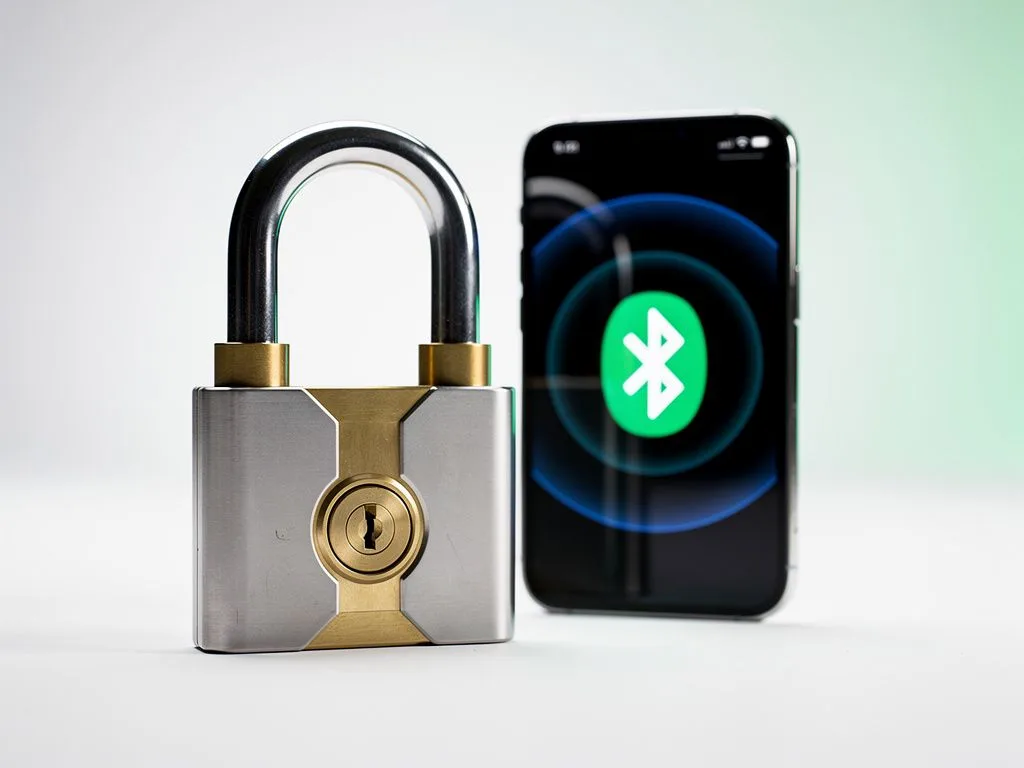
Firmware updates for smart locks are the core of IoT lock security, not just a simple feature upgrade. When evaluating smart locks, buyers must include the firmware update mechanism, version control, rollback capability, key management, and the supplier's long-term support commitment in their procurement criteria; otherwise, they may end up with locks that cannot be patched against vulnerabilities. Jintai Industrial's IoT smart lock platform integrates Bluetooth, NFC, RFID, and cloud connectivity; the firmware update method and security design must be confirmed based on actual specifications.
Key Takeaways

  • Firmware updates are the core of IoT lock security

    Firmware is the execution layer for the communication protocol between the lock, the app, and the cloud backend. If vulnerabilities cannot be patched, the entire batch of locks becomes a security gap. Buyers should treat updatability as a basic requirement.

  • Four key points to verify in OTA mechanisms

    Buyers should confirm whether updates are mandatory, whether they can be scheduled, whether physical proximity is required, and whether automatic rollback is available after a failed update to avoid operational impact.

  • Key management and certificate rotation cannot be ignored

    If device certificates are never rotated, the risk of long-term side-channel recording or leakage accumulates. Buyers should ask about certificate generation, storage, remote revocation, and lock behavior after revocation.

  • Contracts should require long-term support commitments

    Buyers should require a vulnerability disclosure policy, a security update warranty period, and a post-discontinuation maintenance window, with at least 3–5 years of security updates and clear breach handling terms.

Why Do Smart Locks Need Firmware Updates?

Why do smart locks need firmware updates? Because firmware is the execution layer for communication protocols between the lock, the mobile app, and the cloud backend. Once a protocol vulnerability is disclosed and cannot be patched, the entire batch of locks becomes a security gap. Compared to mechanical locks, which only require concern about physical tampering, IoT locks add a wireless communication attack surface, including Bluetooth pairing hijacking, RFID cloning, NFC relay attacks, and cloud API abuse—all of which must be addressed through firmware patches. Buyers should treat "updatable" as a basic threshold, not a bonus. For travel padlocks, a vulnerability could allow luggage to be opened remotely; for gym lockers, it could lead to member data leakage; for industrial electrical distribution boxes, the consequences could even involve equipment malfunction. Jintai Industrial's IoT smart locks support OTA updates, but the specific update frequency and version policy must be confirmed based on actual specifications.

How Should You Evaluate the OTA Update Mechanism?

How should you evaluate the OTA update mechanism? Buyers should confirm four things: whether updates are mandatory, whether they can be scheduled, whether physical proximity is required, and whether automatic rollback is possible after a failed update. Mandatory updates are suitable for high-security scenarios, such as industrial enclosures and cabinet power management, but for travel locks, they may prevent travelers from unlocking immediately at the airport; scheduled updates balance security and user experience. Physical proximity requirements (such as needing to tap NFC or use close-range Bluetooth) can reduce man-in-the-middle attack risks but increase maintenance costs. Rollback capability is especially critical—if power or signal is lost mid-update, a bricked lock directly impacts usability. When requesting quotes, buyers should ask suppliers to explain the OTA trigger conditions, encryption methods, and failure handling processes. Jintai Industrial can discuss update strategies based on OEM/ODM needs, but details must be confirmed based on actual specifications.

iot lock selection scene 1

How Are Key Management and Certificate Rotation Handled?

How are key management and certificate rotation handled? This is the most easily overlooked aspect of IoT lock security design. Each lock is embedded with a device certificate at the factory to mutually authenticate with the cloud backend; if certificates are never rotated, the risk of being intercepted or leaked accumulates over time. Buyers should ask suppliers: How are device certificates generated, who holds them, is remote revocation supported, and after revocation, does the lock become disabled or degrade to offline mode? For large-scale deployments like gym and school lockers, a single backend may need to manage hundreds to thousands of locks; if the key management process is immature, revoking a single compromised lock may require manual processing one by one. Jintai Industrial's IoT platform supports cloud connectivity and identity verification; the certificate mechanism and rotation cycle must be confirmed based on actual specifications.
How should vulnerability disclosure and long-term support commitments be negotiated?

How should vulnerability disclosure and long-term support commitments be negotiated? Buyers should require three commitments from the supplier in the purchase contract: a vulnerability disclosure policy (how soon the buyer will be notified after a problem is discovered), a security update warranty period (a commitment to provide patched firmware for at least a specified number of years), and a maintenance window after end-of-life. The lifecycle of IoT products is typically longer than that of consumer electronics; an industrial cabinet lock may be used for more than ten years. If the supplier stops updating in the third year, the buyer will be forced to replace the entire batch. For travel security hardware, although TSA padlocks are primarily mechanical, if they incorporate IoT features (e.g., Bluetooth unlocking), they also require update commitments. Buyers can refer to industry practices, require a security update period of at least 3–5 years, and specify remedies for breach in the contract. Jin Tay Industries' OEM/ODM process covers the testing and certification stage, but the specific update commitment period is subject to confirmation based on actual specifications.

OEM/ODM Project Firmware Update Design Process

  1. 1

    DFM Design Evaluation Phase

    Before mold development, decide on OTA communication module selection, update trigger interface, and hardware-reserved bootloader space.

  2. 2

    Prototype Validation Phase

    Test update process stability, including power-loss recovery, poor signal environments, and load from simultaneous multi-device updates.

  3. 3

    Testing and Certification Phase

    Confirm the update process complies with local regulations, such as European RED and US FCC requirements.

  4. 4

    Mass Production Phase

    Require firmware update verification items at each stage to ensure the update mechanism meets actual specification requirements.

iot lock selection scene 2

What security questions should buyers prepare before purchasing?

What security questions should buyers prepare before purchasing? Buyers can prepare corresponding questions based on the scenario: for travel locks, ask "Does the update affect TSA-certified operation?" and "Can the lock still be opened mechanically during an update?"; for gym lockers, ask "How many locks can be managed from a single backend?" and "Is member personal data encrypted at rest?"; for industrial distribution boxes, ask "Does the update require downtime?" and "What is the lock's degraded mode when offline?"; for cabinet power management, ask "Does remote revocation affect power monitoring?" The answers to these questions directly affect purchasing decisions because different scenarios place different weights on security, usability, and maintenance costs. Jin Tay Industries' IoT smart locks cover padlocks, cabinet locks, and identity verification applications. Buyers can raise requirements based on their own scenarios, and the original manufacturer will assess feasibility.

How should firmware updates be incorporated into the design of an OEM/ODM project?

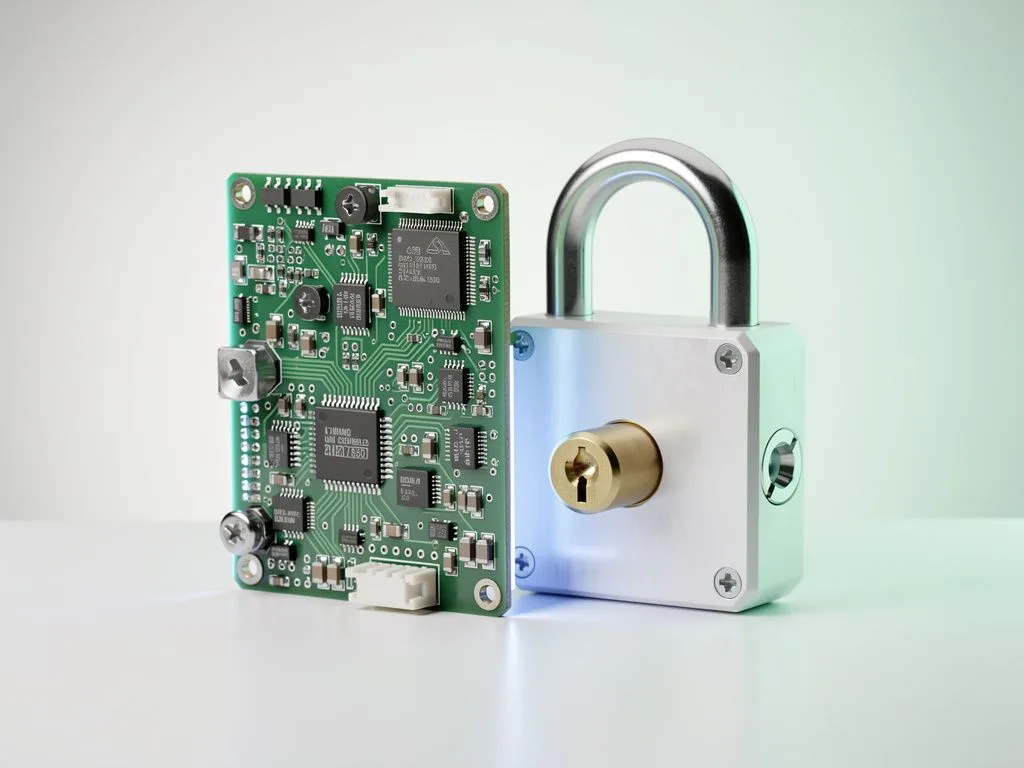
How should firmware updates be incorporated into the design of an OEM/ODM project? The update mechanism should be included as a requirement from the DFM design evaluation stage, rather than being added after mass production. Specifically, buyers need to decide before mold development: the selection of the OTA communication module (Bluetooth, NFC, RFID, or Wi-Fi), the update trigger interface (App, backend, or schedule), and the bootloader space reserved in the hardware. During the prototyping and validation stage, the stability of the update process should be tested, including power-loss recovery, poor signal environments, and the load of updating multiple devices simultaneously. In the testing and certification stage, it must be confirmed that the update process does not violate local regulations (e.g., European RED, US FCC). Jin Tay Industries' OEM/ODM process covers DFM design evaluation, mold development, prototyping and validation, testing and certification, and mass production. Buyers can request the addition of firmware update verification items at each stage, but specific technical details are subject to confirmation based on actual specifications.

Six indicators to check when evaluating smart lock firmware updates

  • OTA update trigger method

    Confirm whether it is forced, scheduled, or manual, and understand whether the lock remains usable during the update to avoid impacting operations.

  • Rollback and power-loss recovery mechanism

    Can the lock automatically revert to the previous version after a failed update, to avoid bricking that would require sending the entire batch back to the factory?

  • Device certificates and key management

    Confirm who generates the certificates, whether remote revocation is supported, and what the lock's degraded behavior is after revocation.

  • Vulnerability disclosure and notification process

    Require the supplier to provide a written vulnerability disclosure policy, specifying notification timelines and remediation schedules.

  • Security update warranty period

    Specify in the contract a commitment to at least 3–5 years of security updates, and agree on a maintenance window after end-of-life.

  • Hardware reservation and bootloader design

    Confirm that sufficient bootloader space has been reserved during the OEM stage to avoid being unable to add new features or patches in the future.

FAQ

Why do smart locks need firmware updates?

Because firmware is the execution layer for the communication protocol between the lock, the mobile app, and the cloud backend. Once a protocol vulnerability is disclosed and cannot be patched, the entire batch of locks becomes a security gap. IoT locks add a wireless communication attack surface, including Bluetooth pairing hijacking, RFID cloning, NFC relay attacks, and cloud API abuse, all of which must be addressed through firmware patches.

How should OTA update mechanisms be evaluated?

Buyers should confirm four things: whether updates are mandatory, whether they can be scheduled, whether physical proximity is required, and whether automatic rollback is available after a failed update. Mandatory updates suit high-security scenarios, scheduled updates balance security and user experience, and rollback capability is especially critical—if power or signal is lost mid-update, a bricked lock directly impacts usage.

How should key management and certificate rotation be handled?

Each lock is built with a device certificate at the factory for mutual authentication with the cloud backend. If certificates are never rotated, the risk of side-channel recording or leakage accumulates over time. Buyers should ask the supplier: how device certificates are generated, who holds them, whether remote revocation is supported, and whether the lock fails or degrades to offline mode after revocation.

How should vulnerability disclosure and long-term support commitments be negotiated?

Buyers should require three commitments in the procurement contract: a vulnerability disclosure policy, a security update warranty period, and a post-discontinuation maintenance window. Following industry practice, require at least 3–5 years of security updates and specify breach handling in the contract to avoid premature update termination leading to full replacement.

What security questions should be prepared before procurement?

Buyers can prepare questions by scenario: for travel locks, ask whether updates affect TSA certification operations and whether the lock can still be mechanically opened during updates; for gym lockers, ask how many locks a single backend can manage and whether member data is encrypted; for industrial distribution boxes, ask whether updates require downtime and what the lock's degraded mode is when offline.

Need to evaluate firmware update solutions based on your scenario?

Provide your application scenario, batch size, and security requirements to Jin Tai Industrial, and the original manufacturer will confirm feasible firmware update and security design solutions based on actual specifications.