jintay-locks iot-lock-selection-1

Bluetooth, NFC, or RFID: How to Choose? Start with Distance and Use Case

Bluetooth, NFC, and RFID are three short-range communication technologies that differ mainly in operating distance, power consumption, and interaction method. Bluetooth has an effective range of about 1 to 30 meters, making it suitable for phone unlocking and remote management. NFC requires sensing within 10 centimeters, making it suitable for identity verification and accidental-touch prevention. RFID ranges from a few centimeters to over 10 meters depending on frequency band, making it suitable for asset inventory and batch management of multiple locks. Choosing the wrong technology directly affects user experience and backend integration costs, so buyers should clarify their use case before deciding.
Key Takeaways

  • Bluetooth suits remote management

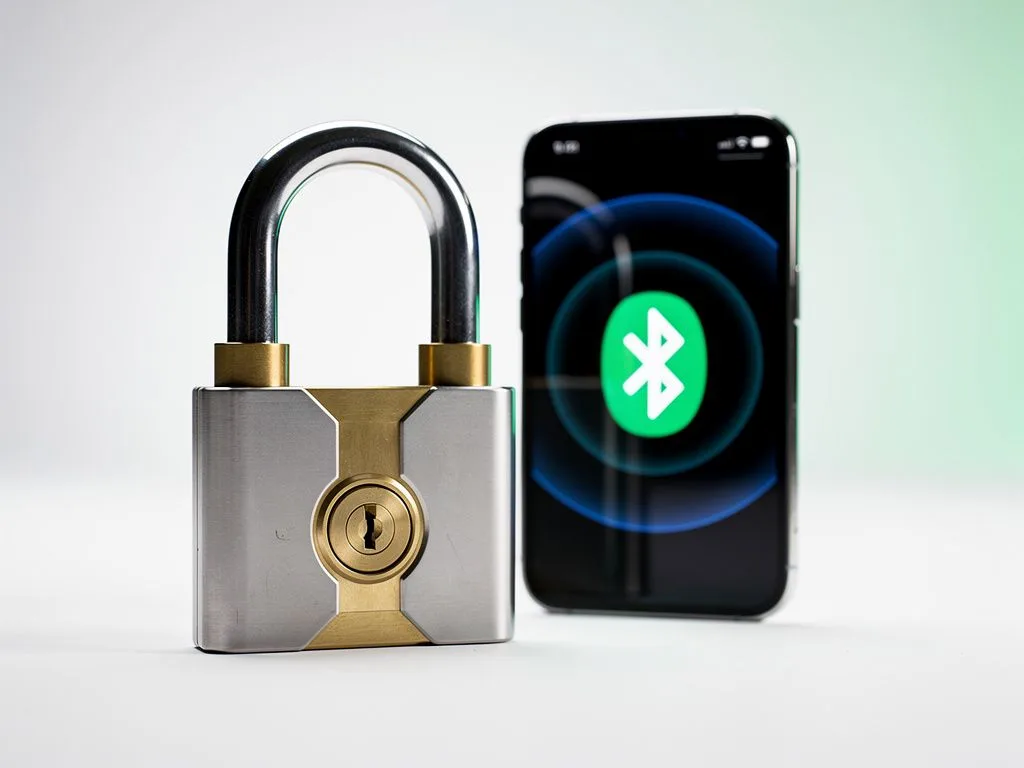
    Bluetooth has an effective range of about 1 to 30 meters, suitable for phone unlocking, remote authorization, and multi-point device management, but it relies on a phone or gateway relay.

  • NFC limited to within 10 cm

    NFC requires pairing within 10 cm, suitable for identity verification and preventing accidental activation, but it cannot unlock remotely or report status in real time.

  • RFID range varies by frequency band

    RFID is divided into low frequency, high frequency, and ultra-high frequency, with ranges from 1 cm to over 10 meters. Ultra-high frequency suits batch scanning and asset inventory.

  • Actual range is often shorter than specifications

    The maximum range in specifications is measured in a lab; in practice, it can be shortened by metal, walls, or human obstruction. Request field test reports from suppliers.

What Scenarios Suit Bluetooth Locks? Why Do Most Smart Padlocks Prefer Bluetooth?

Bluetooth locks are suitable for scenarios that require phone unlocking, opening history logging, or remote authorization from a backend, such as shared lockers, gym rental lockers, and luggage tracking. Bluetooth Low Energy (BLE) versions have low standby current, allowing a single coin cell battery to last from several months to a year, making them suitable for hardware that needs long standby times. The effective range is typically 1 to 30 meters, so users do not need to be close to the lock to operate it, which is especially convenient for managing multiple devices across a site. Note that Bluetooth relies on a phone or gateway for relay; a pure Bluetooth lock cannot operate independently without a terminal device. If buyers need offline authorization, they should consider pairing it with a keypad password or physical key as a backup.

What Are the Distance Limits of NFC Locks? Why Can't They Be Used for Remote Management?

NFC must be within 10 centimeters to complete pairing and unlocking, a limitation set by the international standard ISO 14443, not a product defect. This short-range characteristic makes NFC suitable for identity verification, employee card sensing, and one-time visitor authorization scenarios that require accidental-touch prevention, such as cabinet access control and laboratory medicine cabinets. NFC tags themselves do not require power and can be attached to cards or phone cases at low cost. However, NFC cannot unlock remotely or transmit status in real time. If buyers need records of who opened which lock and when, they must pair it with Bluetooth or a gateway to upload data to the cloud. Standalone NFC locks are mostly used for low-cost, high-security, single-unit access control needs.

iot lock selection scene 1

How Far Can RFID Locks Read? What's the Difference Between Low, High, and Ultra-High Frequency?

RFID is divided by frequency band into low frequency (LF, 125–134 kHz), high frequency (HF, 13.56 MHz), and ultra-high frequency (UHF, 860–960 MHz), with distances ranging from 1 centimeter to over 10 meters. Low-frequency RFID has strong penetration but slow read speeds, commonly used for animal tags and industrial identification. High-frequency RFID has a range of 10 centimeters to 1 meter and is the band used by most access control cards and EasyCard. Ultra-high-frequency RFID can read multiple tags at once and reach distances of up to 10 meters, making it suitable for warehouse inventory, logistics tracking, and batch management of multiple locks. When selecting an RFID lock, buyers should first determine whether the site requires single precise reading or batch fast scanning; choose HF for the former and UHF for the latter. Jintai Industrial's IoT lock platform supports RFID integration, but the actual frequency band and read distance should be confirmed based on product specifications.
Key Differences Between the Three Technologies at a Glance

  • Operating Distance

    Bluetooth: 1–30 meters; NFC: less than 10 cm; RFID: from 1 cm to over 10 meters depending on frequency band.

  • Typical Power Consumption

    Bluetooth Low Energy standby can last months; NFC passive tags require no power supply; RFID active tags need batteries.

  • Interaction Method

    Bluetooth uses a mobile app; NFC uses cards or phone tap; RFID supports single reads or batch scanning.

  • Suitable Scenarios

    Bluetooth suits remote management; NFC suits identity verification; RFID suits asset inventory and multi-lock management.

  • Backend Integration

    Bluetooth and active RFID can report status in real time; NFC requires other technologies to upload data to the cloud.

  • Security Level

    All three can be encrypted, but NFC has the lowest risk of accidental triggering due to its short range; Bluetooth requires attention to pairing hijacking risks.

What Factors Affect Distance? Why Is Real-World Distance Often Shorter Than Specs?

The 'maximum distance' on spec sheets is usually measured in an unobstructed laboratory environment. In real-world settings, distance is reduced by metal structures, walls, and human obstruction. Bluetooth signals attenuate noticeably inside metal enclosures, potentially shrinking from 30 meters to under 5 meters. NFC fails completely on metal surfaces, requiring external antennas or plastic housings. UHF RFID read rates drop in environments dense with liquids or metal. Buyers evaluating options should request 'field test reports' from suppliers rather than relying only on lab data, and should specify acceptable distance ranges in contracts. Jin Tai Industrial's OEM/ODM process includes a prototyping and verification stage, during which buyers can request field testing to avoid discovering insufficient distance only after mass production.

iot lock selection scene 2

Can the Three Technologies Be Used Together? How to Design a Hybrid Architecture?

Yes, they can be combined. In practice, many smart locks use dual-mode designs such as 'Bluetooth + NFC' or 'Bluetooth + RFID' to balance daily convenience and management needs. A common configuration is Bluetooth handling user smartphone unlocking and remote authorization, while NFC or RFID handles employee badges, patrol cards, and asset tags, with a cloud platform aggregating all unlock records. This architecture is especially common in school lockers, shared spaces, and industrial cabinets. When designing a hybrid architecture, attention must be paid to antenna isolation, power allocation, and authentication processes; otherwise, interference or shortened standby time can occur. Buyers needing hybrid solutions should discuss usage scenarios and priorities with suppliers during the DFM stage to avoid costly redesigns later.

What Does Choosing the Wrong Technology Cost? Three Common Pitfalls

The first pitfall is using NFC for remote management, forcing users to get close to the lock to open it, resulting in poor user experience and no real-time monitoring. The second pitfall is using Bluetooth for asset inventory, where single-read speed is slow and range is short, making warehouse management inefficient. The third pitfall is using UHF RFID for high-security access control, where high false-trigger rates occur when multiple people pass simultaneously, actually lowering security. All three scenarios stem from a mismatch between technology characteristics and the application. When selecting technology, buyers should first answer three questions: Who will unlock (people or systems)? What distance is needed (centimeters or meters)? Is real-time status reporting required? Once these answers are clear, the technology choice becomes obvious, avoiding rework in integration.

FAQ

What scenarios are Bluetooth locks suitable for?

Bluetooth locks suit scenarios that require phone unlocking, unlocking history logging, or remote authorization from a backend, such as shared lockers, gym rental lockers, and luggage tracking. The effective range is typically 1 to 30 meters, so users do not need to be close to the lock.

What is the range limitation of NFC locks?

NFC must be within 10 cm to complete pairing and unlocking, as specified by the international standard ISO 14443. This short-range feature makes NFC suitable for identity verification, employee card sensing, and one-time visitor authorization where accidental activation must be prevented.

How far can RFID locks read?

RFID is divided by frequency band into low frequency (125–134 kHz), high frequency (13.56 MHz), and ultra-high frequency (860–960 MHz), with ranges from 1 cm to over 10 meters. Low frequency has strong penetration but slow reading; high frequency ranges from 10 cm to 1 meter; ultra-high frequency can reach 10 meters and read multiple tags at once.

What factors affect range?

The maximum range in specifications is usually measured in an unobstructed lab environment. In real settings, range can be shortened by metal structures, walls, or human obstruction. Bluetooth may drop from 30 meters to under 5 meters inside a metal cabinet; NFC may fail completely on metal surfaces; UHF RFID read rates decrease in environments with dense liquid or metal.

Can the three technologies be used together?

Yes, they can be combined. In practice, many smart locks use dual-mode designs such as Bluetooth plus NFC or Bluetooth plus RFID. A common configuration is Bluetooth for phone unlocking and remote authorization, NFC or RFID for employee cards, patrol cards, and asset tag identification, with a cloud platform aggregating unlocking records.

Need help evaluating Bluetooth, NFC, or RFID configurations for your use case?

Provide your usage scenario, expected distance, and backend integration requirements. Jin Tai Industrial can offer technical recommendations and prototyping plans through the OEM/ODM process.