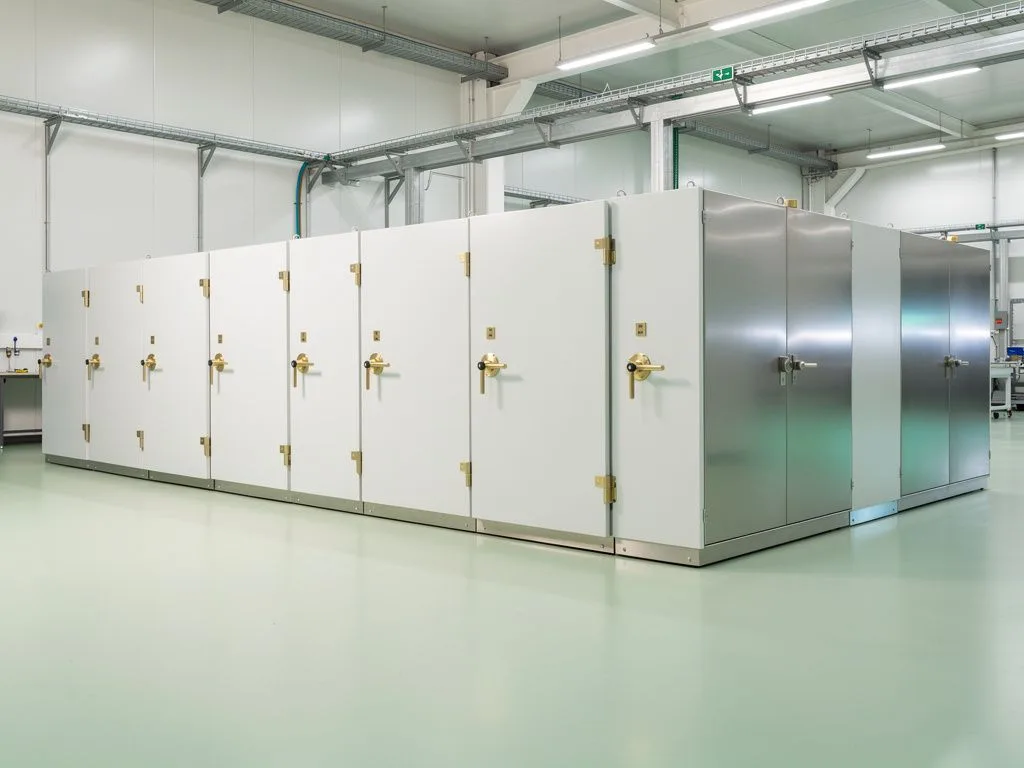
What are the common specifications for data center cabinet locks?
Common specifications for data center cabinet locks include the external dimensions of the lock body, mounting hole positions, cylinder type, material corrosion resistance rating, and whether an electronic read interface is integrated. When selecting a lock, you must first confirm the cabinet door panel thickness, door frame structure, and cooling design before deciding between a mechanical lock or an IoT smart lock. For cabinets involving power and communications, electromagnetic compatibility and information security requirements must also be verified according to local regulations.
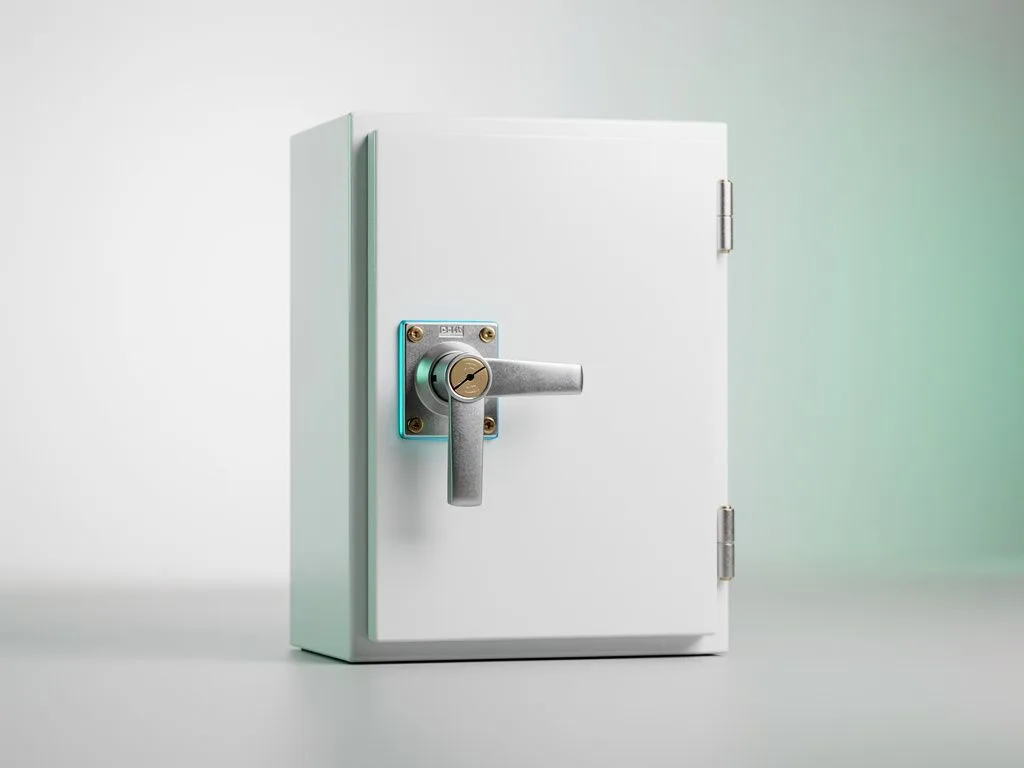
Key Takeaways
Cabinet lock selection prioritizes size and hole compatibility
Measure door panel thickness and frame space first; standard 19-inch cabinet openings have ±2mm tolerance, and single vs. double doors have different latch requirements.
Choose mechanical or electronic locks based on management needs
Mechanical locks are lower cost when no opening records are needed; for SOC 2 or ISO 27001 audits, choose electronic locks with opening logs and confirm integration with management platforms.
Material corrosion resistance depends on data center environment
Zinc alloy is low cost but limited in salt spray resistance, suitable for indoor use; stainless steel suits harbor or industrial zone data centers, request salt spray test hours for reference.
Electronic locks require security and communication protocol verification
Bluetooth locks need BLE version and AES encryption confirmation; NFC/RFID must distinguish card security levels; cloud connections must use TLS 1.2 or higher and support DCIM integration.
How do you determine the lock body dimensions and mounting hole positions for cabinet locks?
How do you determine the lock body dimensions and mounting hole positions for cabinet locks? The first step is to measure the door panel thickness and the available space inside the door frame, because the door panels of data center cabinets commonly range from 1.0 to 2.0 mm in thickness, but some high-density cabinets use reinforced door panels of 2.5 mm or more. If the lock body depth exceeds the allowable value of the door frame, it will press against internal cables or cooling fans after installation. The second step is to confirm the existing cutout specifications. Standard 19-inch cabinets mostly use the rectangular cutouts or round keyholes of server chassis, but there can be a tolerance of about ±2 mm between different brands. The third step is to determine the lock body orientation. Single-door cabinets and front-and-rear double-door cabinets have different requirements for latch length and direction. Before purchasing, you should provide the door panel layout drawing or actual photos to the lock manufacturer for evaluation. Jin Tai Industrial can conduct DFM design evaluation according to the OEM process, but the actual applicable dimension range must be confirmed based on the project.
How do you choose between mechanical locks and electronic locks for cabinet applications?
How do you choose between mechanical locks and electronic locks for cabinet applications? The decision is based on "who needs the unlock records" and "whether the lock is connected to a management system." If the cabinet is used only by internal operations and maintenance personnel and there is no need to track opening and closing times, a traditional key lock or rotary combination lock can meet the requirements, with lower installation and maintenance costs and no need for additional power supply or communication cabling. If the cabinet is in a shared space for colocation customers and must comply with audit requirements such as SOC 2 or ISO 27001, then electronic locks with unlock logs should be considered. These locks can record time, personnel, and event types, and export reports through the backend. Common electronic lock interfaces in data centers include Bluetooth, NFC, RFID, and cloud connectivity. When selecting, you must consider whether the management platform supports the existing access control system API. Jin Tai Industrial's IoT smart lock platform covers the above interfaces, but the specific protocol versions that can be integrated must be confirmed based on actual specifications.

Why are the material and corrosion resistance requirements of cabinet locks important?
Why are the material and corrosion resistance requirements of cabinet locks important? Because data centers are not constant-temperature, constant-humidity environments. Air conditioning failures, water seepage in underground server rooms, or high salt spray in island climates can cause untreated lock bodies to rust within 6 to 12 months, leading to stuck latches or broken keys. Common cabinet lock materials include zinc alloy, die-cast aluminum, and stainless steel. Among these, zinc alloy has the lowest cost but limited salt spray resistance, making it suitable for general indoor server rooms. Stainless steel lock bodies are suitable for server rooms in seaports, outlying islands, or the edges of industrial zones. In terms of surface treatment, the external parts of the lock body commonly use chrome plating, nickel plating, or black baking paint, and the inside of the cylinder should be confirmed to have anti-rust lubrication treatment. When purchasing, you should ask the lock manufacturer to provide reference values for salt spray test hours, but the specific test reports and certification numbers must be based on the original manufacturer's documents. Jin Tai Industrial will not provide specific data before confirmation.
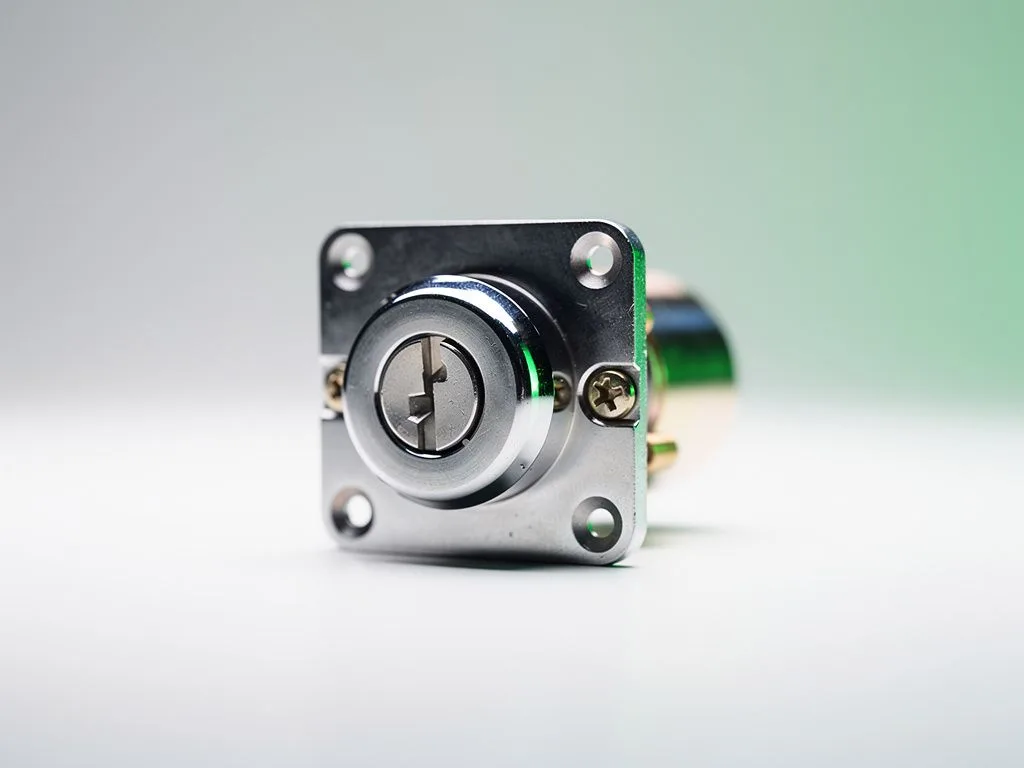
How to Evaluate Information Security and Communication Protocols for Cabinet Locks
How should buyers evaluate information security and communication protocols for cabinet locks? When a lock integrates Bluetooth, NFC, RFID, or cloud connectivity, buyers need to focus on three aspects: communication encryption strength, identity verification mechanisms, and permission levels in the backend management interface. Bluetooth locks commonly use BLE 4.2 or higher; confirm whether AES encryption and pairing binding are supported. For NFC and RFID locks, distinguish between MIFARE Classic, DESFire, or higher-security card formats, and avoid older chips that have been compromised. For cloud connectivity, confirm whether data transmission uses TLS 1.2 or higher and whether the API supports integration with existing asset management platforms such as DCIM. For cabinets involving electrical and power distribution boxes, also pay attention to electromagnetic compatibility between the lock and the monitoring system to avoid interference during switching. Jintai Industrial's IoT platform supports the above interfaces, but the actual protocol versions and encryption strength must be confirmed based on project specifications.
OEM Custom Cabinet Lock Development Process
- 1
DFM Design Review
Lock manufacturer reviews buyer-provided door panel drawings, lock hole dimensions, and environmental conditions, and provides manufacturability recommendations.
- 2
Mold Development
Decide whether new molds are needed based on lock body structure; new mold development for a single lock body typically takes 6 to 10 weeks.
- 3
Prototype Verification
Produce engineering samples for buyer on-site testing, including switch smoothness, latch strength, and electronic function verification.
- 4
Testing and Certification
Determine required safety or electromagnetic compatibility certifications based on target market; timelines vary greatly.
- 5
Mass Production Preparation
Pre-production material preparation and production line scheduling typically require an additional 4 to 6 weeks.

How Long Does the OEM Custom Cabinet Lock Development Process Take?
How long does the OEM custom cabinet lock development process take? A typical process includes five stages: DFM design review, mold development, prototyping and validation, testing and certification, and mass production. The overall timeline ranges from 3 to 9 months depending on complexity. During the DFM stage, the lock manufacturer reviews the buyer's door panel drawings, lock hole dimensions, and environmental conditions, and provides manufacturability recommendations. During mold development, whether new molds are needed depends on the lock structure; new mold development for a single lock body typically takes 6 to 10 weeks. The prototyping and validation stage produces engineering samples for the buyer to test on actual equipment, including smooth operation, latch strength, and electronic function verification. The testing and certification stage depends on the target market's safety or EMC certification requirements, and timelines vary significantly. Before mass production, material preparation and production line scheduling typically require an additional 4 to 6 weeks. Jintai Industrial has the full OEM/ODM process described above, but actual project timelines depend on the specifications and quantities confirmed by both parties.
What Technical Documentation Should Be Prepared Before Purchasing Cabinet Locks?
What technical documentation should be prepared before purchasing cabinet locks? Buyers are advised to prepare four types of documents: cabinet door panel engineering drawings (including thickness and material specifications), actual measurements of existing lock holes, safety and certification requirements for the target market, and estimated annual purchase volume. Door panel engineering drawings help the lock manufacturer determine the lock installation direction and latch travel. Actual measurements of existing lock holes prevent deviations of more than ±1 mm between new locks and old hole positions. For certification requirements, the EU market requires attention to CE and EN certifications, the North American market requires UL or FCC, and the Asia-Pacific market varies by country. Annual purchase volume directly affects unit pricing and mold cost amortization; providing an estimated range (e.g., 5,000 to 20,000 units) helps the lock manufacturer propose a reasonable pricing structure. Jintai Industrial can conduct a preliminary evaluation based on the above information, but the specific certifications and certificate numbers must be confirmed based on the actual project.
Six Key Checkpoints for Selecting Data Center Cabinet Locks
Lock Body Dimensions and Door Panel Compatibility
Confirm that the lock body depth, width, and latch length fit between the door panel and frame, avoiding interference with internal cables or cooling components.
Cylinder Type and Backup Mechanism
For mechanical locks, evaluate key management processes; for electronic locks, confirm whether the mechanical backup unlocking method during power failure meets data center maintenance regulations.
Material and Surface Treatment Grade
Choose zinc alloy, die-cast aluminum, or stainless steel based on the environment (general indoor, island-type, industrial area), and confirm the salt spray test level.
Electronic Interface and Communication Protocol
For Bluetooth, NFC, RFID, and cloud connectivity, confirm protocol versions, encryption strength, and whether integration with existing DCIM or access control platforms is possible.
Certification and Regulatory Compliance
Confirm CE, UL, FCC, or local safety requirements based on the target market, and require the lock manufacturer to provide corresponding test reports and certificates.
OEM Customization and After-Sales Support
Confirm whether the lock manufacturer has DFM evaluation, mold development, prototyping, and mass production capabilities, and assess lead times and material flexibility.
What is the difference between cabinet locks and distribution box locks?
What is the difference between cabinet locks and distribution box locks? Although both fall under the category of "enclosure locks," their design priorities differ. Data center cabinet locks primarily consider ventilation hole interference, cable routing space, and durability under frequent opening and closing; the lock body is typically thinner with a shorter latch travel. Distribution box locks, on the other hand, must comply with electrical safety regulations; the lock body must have insulating properties to prevent the risk of electric shock to operators, and some countries require distribution boxes to use lockable padlocks (Lockout/Tagout mechanism) to prevent misoperation. In terms of materials, distribution box locks commonly use a composite structure with an insulating plastic housing covering a metal lock core, differing from the all-metal design of cabinet locks. When purchasing, if both types of enclosures are involved, it is recommended to explain the application scenario to the lock manufacturer so that the DFM evaluation can cover the differences between the two door panels. Jin Tai Industrial's product line covers cabinet and distribution box applications, but the specific specifications that can be matched must be confirmed based on the actual project.
FAQ
How to determine cabinet lock body size and mounting holes?
First measure door panel thickness and available inner frame space; common panel thickness is 1.0 to 2.0mm, high-density cabinets may be 2.5mm or more; second confirm existing opening specifications, standard 19-inch cabinets have ±2mm tolerance; third decide lock body orientation, single and double doors have different latch requirements, provide door panel drawings or actual photos before purchasing.
How to choose between mechanical and electronic locks for cabinets?
The decision depends on 'who needs opening records' and 'whether the lock connects to a management system'. If for internal operations only without tracking open/close times, traditional key locks or dial combination locks suffice; for shared spaces with managed customers requiring SOC 2 or ISO 27001 audits, choose electronic locks with opening logs that record time, personnel, and event types.
Why are material and corrosion resistance requirements important for cabinet locks?
Because data centers are not always temperature and humidity controlled; air conditioning failures, water seepage, or high salt spray can corrode untreated lock bodies within 6 to 12 months, causing latch jamming or key breakage. Zinc alloy is low cost but limited in salt spray resistance, suitable for indoor use; stainless steel suits harbor, island, or industrial zone data centers, request salt spray test hours for reference.
How to evaluate information security and communication protocols for cabinet locks?
Focus on communication encryption strength, authentication mechanisms, and backend permission levels. Bluetooth locks must confirm BLE 4.2 or higher and AES encryption; NFC/RFID must distinguish card formats like MIFARE Classic and DESFire; cloud connections must use TLS 1.2 or higher, and confirm API integration with asset management platforms like DCIM.
How long does the OEM custom cabinet lock development process take?
The typical process includes five stages: DFM design review, mold development, prototyping verification, testing certification, and mass production; overall timeline ranges from 3 to 9 months depending on complexity. DFM stage reviews door panel drawings and lock hole dimensions; new mold development for a single lock body typically takes 6 to 10 weeks; pre-production material preparation requires an additional 4 to 6 weeks.
Need a custom evaluation for cabinet locks?
Please provide the door panel drawings, lock hole dimensions, and target market certification requirements. Jin Tai Industrial will conduct a DFM evaluation and provide a quotation for you according to the OEM process.